Cambodia, South Korea Ease Visas; Thailand, Indonesia Tighten
Asian nations are adjusting visa regulations in 2026, with some expanding entry options for travellers while others implement stricter controls due to security concerns. These shifts impact various nationalities and travel plans across the region.
Asia's Evolving Visa Landscape in 2026
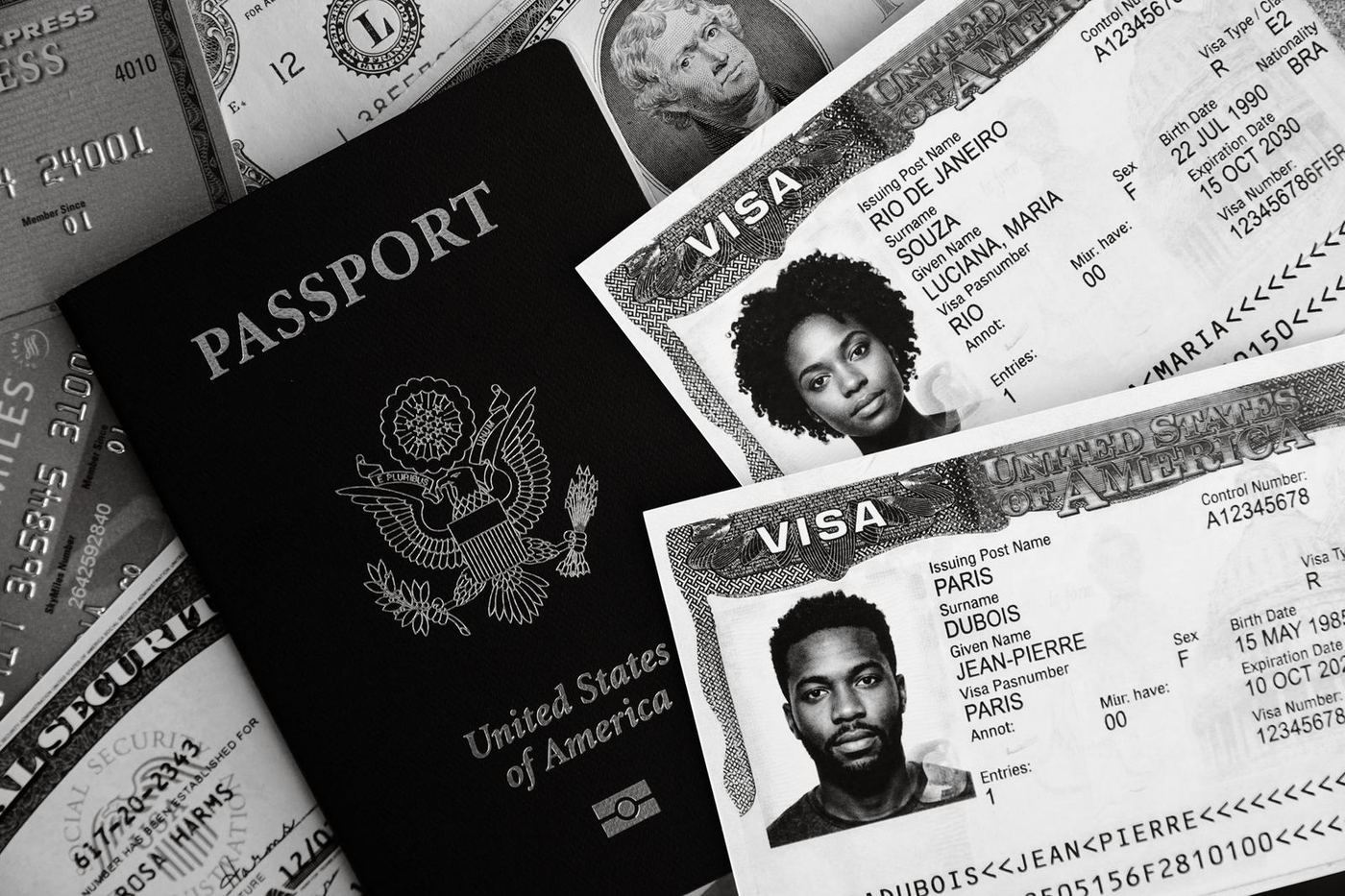
Across Asia, countries are adjusting visa regulations in 2026. These policy shifts aim to either stimulate tourism or manage security concerns. Some nations, including Cambodia, South Korea, the United Arab Emirates, and China, are easing entry requirements. This involves expanding visa-free access, waiving application fees, and extending permitted stay durations.
Simultaneously, other countries like Thailand and Indonesia are implementing stricter immigration controls. These measures address issues such as rising crime rates and the activities of certain foreign visitors. The varied approaches demonstrate a dynamic landscape for international travel within the region. Both global travellers and industry stakeholders must monitor these evolving rules.
Southeast Asian Nations Relax Entry
Cambodia initiated a trial for visa-free entry for Chinese citizens from June 15 this year. This policy permits stays of up to 14 days. Tourism Minister Huot Hak stated this aims to attract over 600,000 Chinese visitors during the four-month trial. The country targets 1.2 million Chinese arrivals in total this year.
This waiver forms part of Cambodia's strategy to restore Chinese visitor numbers to pre-pandemic levels. China was Cambodia's largest source of international visitors in the first five months of 2026. Government data shows 400,000 arrivals, representing over 30% of the total. South Korea also introduced 10-year multiple-entry visas for specific Chinese travellers.
This facilitates both tourism and business travel. Chinese visitors with prior South Korean travel history can obtain a five-year multiple-entry visa. Residents from 14 major Chinese cities, including Beijing and Shanghai, qualify for the 10-year option. South Korea further extended its visa application fee waiver for group tourists.
This waiver applies to visitors from China, India, and Southeast Asian countries. These include Cambodia, Indonesia, the Philippines, and Vietnam. The 23,000 won (US$15) fee exemption remains until December 31, 2026.
Broader Access for Other Nationalities
The United Arab Emirates expanded its visa-on-arrival scheme last month. Citizens from Vietnam, Indonesia, Thailand, the Philippines, Kenya, and South Africa, along with their families, now benefit. The Ministry of Foreign Affairs noted this move deepens bilateral ties with friendly nations. It also fuels economic, cultural, and people-to-people exchanges.
China introduced visa-free entry for Canadian and British citizens in February this year. These travellers can stay for up to 30 days without a visa. Inbound tourism to China showed strong recovery last year. The country welcomed 35.17 million foreign visitors in 2025. Visa-free schemes significantly drove this growth.
A total of 30.08 million visitors entered China without a visa, a 49.5% increase. Last year, China extended its visa-free entry for 45 countries until the end of 2026. Many of these nations are in Europe, South America, and the Gulf region. Australia, New Zealand, Japan, and South Korea were also included in this extension. These measures collectively aim to broaden China's appeal to international travellers.
Tightening Measures for Security and Regulation
While many nations ease restrictions, some economies have tightened visa policies. These measures aim to protect their tourism image and address rising crime rates. Thailand, for instance, discontinued its 60-day visa exemption policy from May this year. This change affects citizens from 93 countries, including the United States, the United Kingdom, and India.
The decision followed recent high-profile arrests of foreign nationals. These arrests were linked to drug offences and sex trafficking. A 30-day visa exemption remains available for eligible visitors. However, the number of qualifying countries and territories will decrease from 57 to 54. Indonesia recently implemented a significant immigration crackdown.
This initiative targets foreign influencers, content creators, and remote workers. These individuals were operating on tourist visas, often exceeding their permitted activities. The crackdown reflects a broader effort to regulate the conduct of foreign visitors. It also seeks to ensure compliance with local immigration laws.
Implications for Travellers and Industry
The varying visa policy adjustments across Asia highlight a complex regional travel landscape. For travellers, these changes mean a shifting set of entry requirements. Some may find it easier to visit certain destinations, while others face new restrictions or shorter permitted stays. The industry must adapt to these dynamic regulations, particularly tour operators and airlines.
Destinations easing restrictions, such as Cambodia and South Korea, anticipate increased visitor numbers. This could drive demand for flights and accommodation. Conversely, countries implementing stricter rules, like Thailand and Indonesia, prioritise security and regulatory compliance. This may alter visitor demographics or reduce certain types of long-term stays.
Stakeholders should closely monitor official government announcements. This ensures compliance and informs future travel planning. The dual trends suggest continued evolution in Asia's inbound travel sector.
Get The Post.
The global travel stories that matter, three mornings a week. Free.