Google Maps Integrates AI for Travel Planning
Google has integrated a conversational artificial intelligence tool, Ask Maps, into its Google Maps application. Powered by Gemini, this new feature allows users to generate itineraries and seek specific travel advice. The introduction prompts discussion among industry professionals regarding the balance between travel convenience and spontaneous moments.
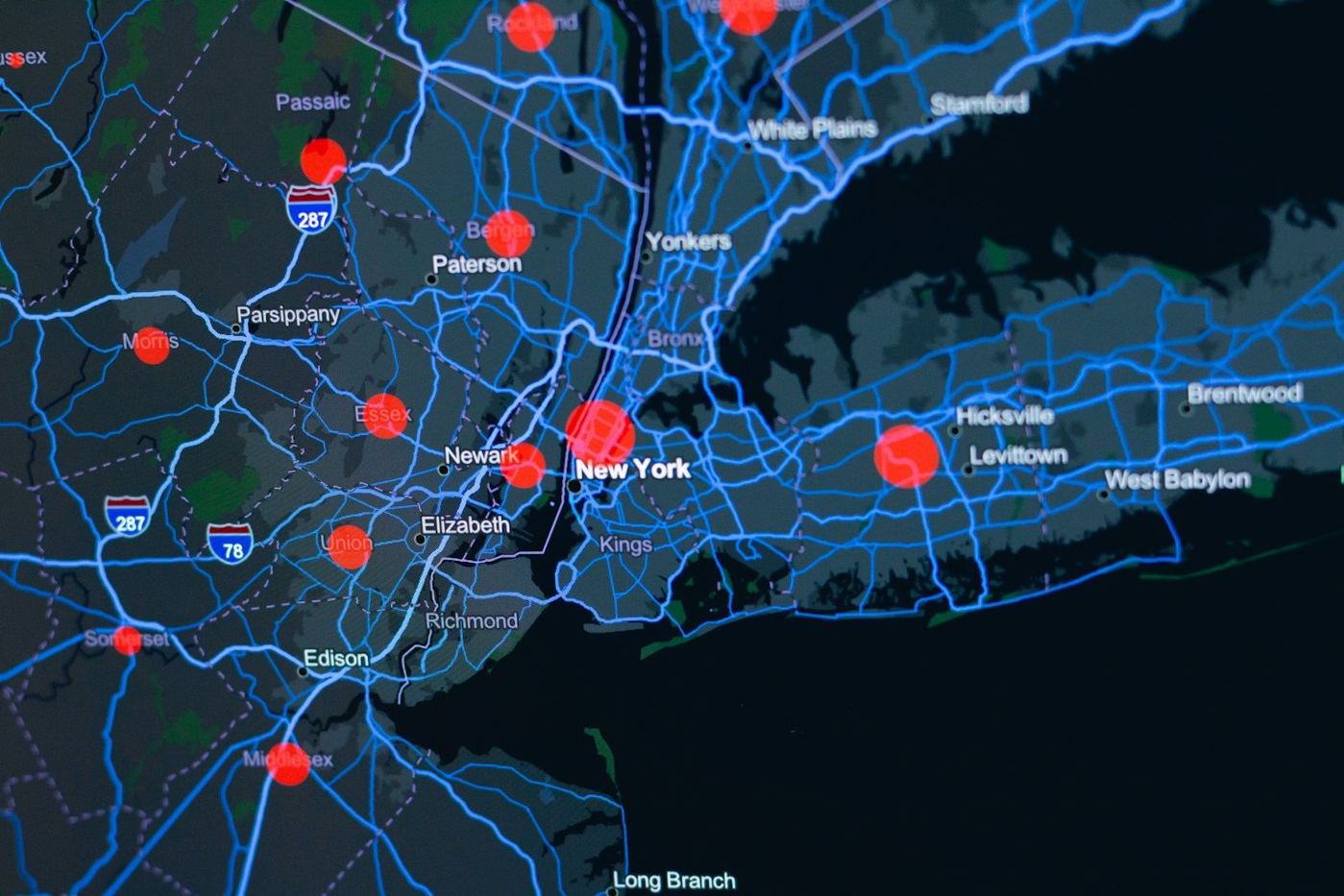
Google Maps Introduces AI Travel Planning
Google has launched Ask Maps, a new artificial intelligence feature directly integrated into its Google Maps application. This conversational tool, powered by the Gemini AI model, enables users to generate detailed travel itineraries. Travellers can also seek highly specific advice without navigating away from the app interface.
For instance, users might ask to locate a phone charging station that avoids long queues for coffee. Another query could involve identifying a public tennis court equipped with lights for evening play. While travellers have increasingly used AI chatbots like OpenAI's ChatGPT for itinerary building, Ask Maps represents the first such deep integration within Google Maps.
This development offers undeniable convenience, yet it also initiates a significant discussion among industry professionals regarding the balance between streamlined travel planning and spontaneous travel experiences.
Industry Concerns Over Spontaneity
The introduction of Ask Maps has prompted a broader discussion within the travel sector about the value of unscripted moments. Vicente Abarca Del Rio, managing partner at Muletek, a global eSIM provider, expressed reservations about an excessive reliance on technology in travel.
He questioned the purpose of travel if it merely involves following a pre-traced line on a map, potentially making travellers oblivious to the surrounding environment. Andrey Meshcheryakov, head of practice at Recombinators, a management consulting firm specialising in business innovation, commented on the functional advantages of the new feature.
He stated that Ask Maps effectively reduces travel risk by eliminating friction caused by human error and language barriers. However, Meshcheryakov also cautioned that while this technological advancement maximises utility, it could threaten the serendipitous encounters that traditional travel often provided.
Shifting Travel Dynamics and Curated Experiences
Seden Dogan, an assistant professor at the University of South Florida School of Hospitality and Tourism Management, whose research focuses on AI in travel, further explored these evolving dynamics. Dogan observed that the small act of asking for directions once carried a certain vulnerability, fostering interactions that added unique texture to travel.
With AI, she suggested, things become smoother and more predictable. While discovery may still occur, Dogan believes it feels increasingly curated. She noted that travel is shifting from organic, human-driven moments towards more personalised, algorithm-driven ones. Jen Young, co-founder and Chief Marketing Officer at Outdoorsy, summarised this trade-off concisely. Young suggested that travellers are exchanging a degree of “soul” for a more streamlined and convenient interface.
Implications for Travellers and the Industry
The practical application of Ask Maps demonstrates its capability to assist travellers, as evidenced by a recent test trip from New York City to Princeton, New Jersey, in 2026. The AI successfully identified destinations and provided relevant details, including parking and weather.
This functionality highlights a clear benefit for travellers prioritising efficiency and predictability in their journeys. For the travel industry, this innovation presents both an opportunity and a challenge. Service providers may need to adapt to travellers arriving with pre-planned itineraries, potentially reducing spontaneous local engagement.
Destination marketing organisations might explore how to integrate AI tools to highlight unique, less algorithm-driven experiences. The ongoing evolution of AI in travel suggests a future where planning is increasingly automated, prompting a continuous re-evaluation of how human connection and unexpected discoveries fit into the modern travel landscape.
Get The Post.
The global travel stories that matter, three mornings a week. Free.