Boeing Restarts Direct Business with Belavia
The US Commerce Department has authorised the planemaker to directly supply aircraft and spare parts to the Belarusian flag carrier, easing restrictions initially relaxed in September 2025.
US Authorisation for Belavia
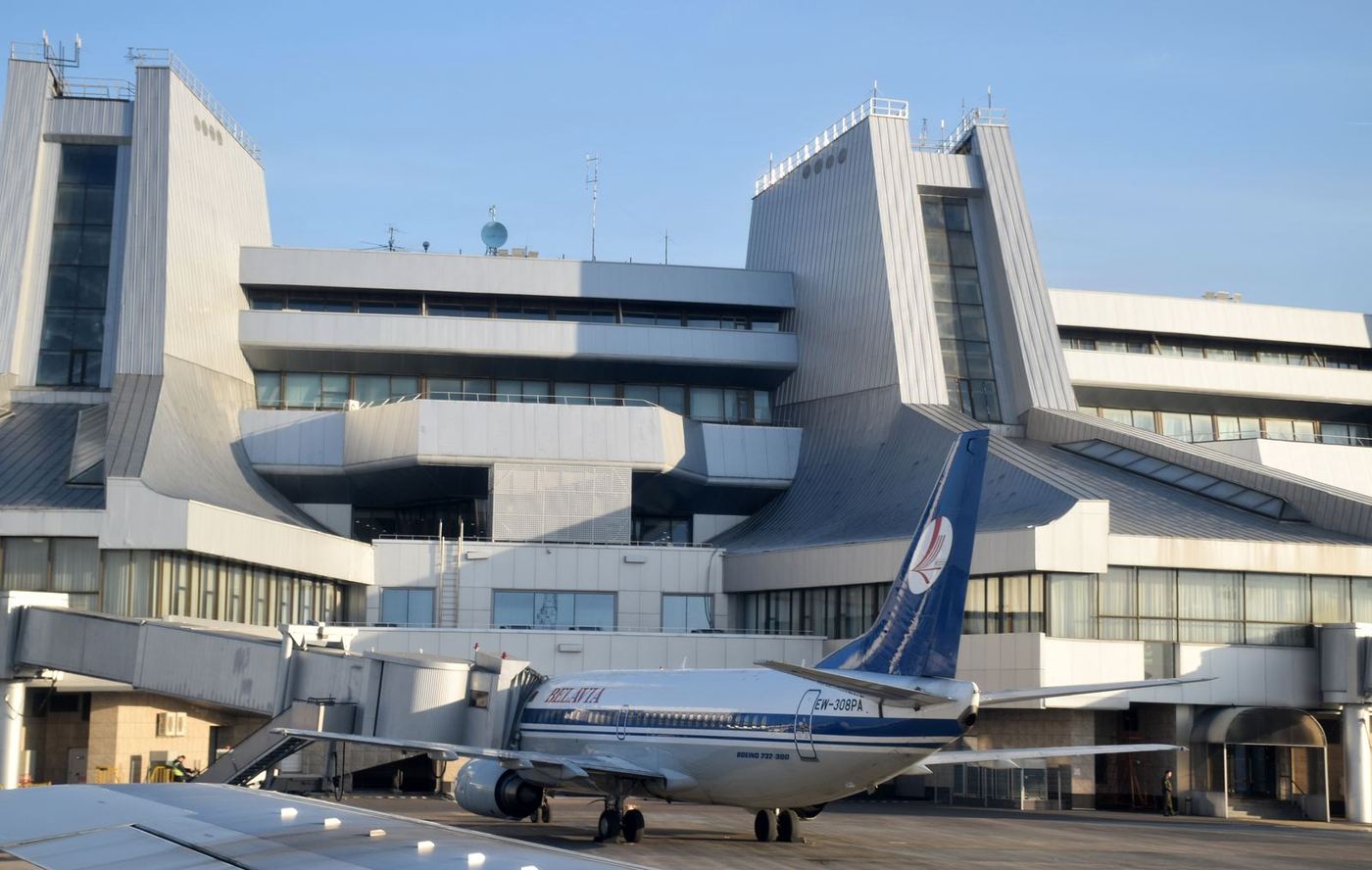
The US Commerce Department has granted Boeing a licence to resume direct commercial activities with Belavia, Belarus's national airline. This authorisation permits the American aircraft manufacturer to supply spare parts and aircraft directly to the carrier, marking a significant shift in US policy.
The decision follows an initial easing of sanctions against Belavia in September 2025. Belavia's Chief Executive Officer, Igor Tcherginets, confirmed on 31 October that the airline can now directly procure essential components, software, and spare parts for its existing fleet from Boeing.
Mr Tcherginets also noted that the US Department of the Treasury had previously issued a similar authorisation. This move is expected to alleviate operational challenges for Belavia, which relies on Boeing aircraft for a substantial portion of its operations.
Belavia's Fleet and Future Prospects
The renewed direct access to Boeing's supply chain offers crucial support for Belavia's fleet maintenance and expansion plans. According to ch-aviation data cited in the source, Belavia currently operates 12 aircraft manufactured by the US planemaker. This fleet comprises eight Boeing 737-800s, one private 737-800, a single 737 MAX 8, one 737-300, and a 767-300ER.
Beyond immediate maintenance relief, CEO Tcherginets stated that the authorisation also "opens the way for negotiations on purchasing aircraft directly from Boeing." This suggests Belavia may explore fleet modernisation or expansion with new Boeing jets, potentially impacting its long-term operational strategy.
The airline's overall fleet also includes ten aircraft from other manufacturers, such as Airbus, Embraer, and Bombardier.
Diplomatic Engagement Precedes Decision
This latest development in US–Belarus aviation relations follows a series of productive discussions between officials from both nations. Reform News reported that these talks took place in Minsk in September. The Belarusian capital hosted a US delegation, which included US Special Envoy John Coale, who met with Belarusian President Aleksandr Lukashenko.
The stated objective of these discussions from the Belarusian side was to identify areas requiring resolution from the US to facilitate continued constructive dialogue between the two countries.
While specific details of the aviation discussions were not publicly disclosed, the timing of the authorisation suggests that enabling direct business between Boeing and Belavia was a key topic during these high-level engagements.
Implications for Global Aviation
The US decision to permit direct dealings between Boeing and Belavia provides significant operational relief for the Belarusian carrier, ensuring the continued airworthiness and potential expansion of its Boeing fleet.
For the wider global aviation industry, this move demonstrates how diplomatic engagements can lead to the resumption of commercial ties affecting airline operations. While this specific case involves a European carrier, it offers a precedent for other airlines globally that might face similar supply chain disruptions due to international restrictions.
For instance, some Asian carriers, particularly those operating older US-manufactured aircraft, could benefit from a similar relaxation of trade policies if they were to face sanctions, although no such parallel situation currently exists in major Asian markets.
This development shows the complex interplay between geopolitics and commercial aviation, revealing how policy changes can directly influence an airline's ability to operate and grow.
Get The Post.
The global travel stories that matter, three mornings a week. Free.