Diwali 2026 Sparks Travel Demand Across Asian Destinations
The Festival of Lights on 8 November 2026 saw India, Singapore, and Nepal become primary hubs for domestic and international visitors, driving significant demand for aviation and hospitality.
Global Reach of Diwali Travel
Diwali, the Festival of Lights, observed on 8 November 2026, generated considerable domestic and international travel demand across numerous destinations.
This annual celebration, significant for Hindu, Jain, and Sikh communities, extends its influence beyond spiritual importance to become a major driver for the global travel industry, including aviation, hospitality, retail, and cultural tourism. Key Asian countries such as India, Singapore, Nepal, Malaysia, and Sri Lanka experienced heightened visitor numbers.
Globally, destinations with significant Indian diaspora populations, including Mauritius, Fiji, the United Kingdom, the United States, Canada, and Australia, also saw increased travel activity. This widespread participation demonstrates the growing impact of Indian culture and travellers on the international tourism landscape.
Asia's Core Celebration Hubs
India remained the spiritual and cultural epicentre of Diwali 2026, with prominent festivities spanning states like Uttar Pradesh, Rajasthan, Gujarat, Maharashtra, and Delhi. Ayodhya drew visitors for its Deepotsav illuminations, while Jaipur's decorated markets and Varanasi's riverside rituals proved popular attractions.
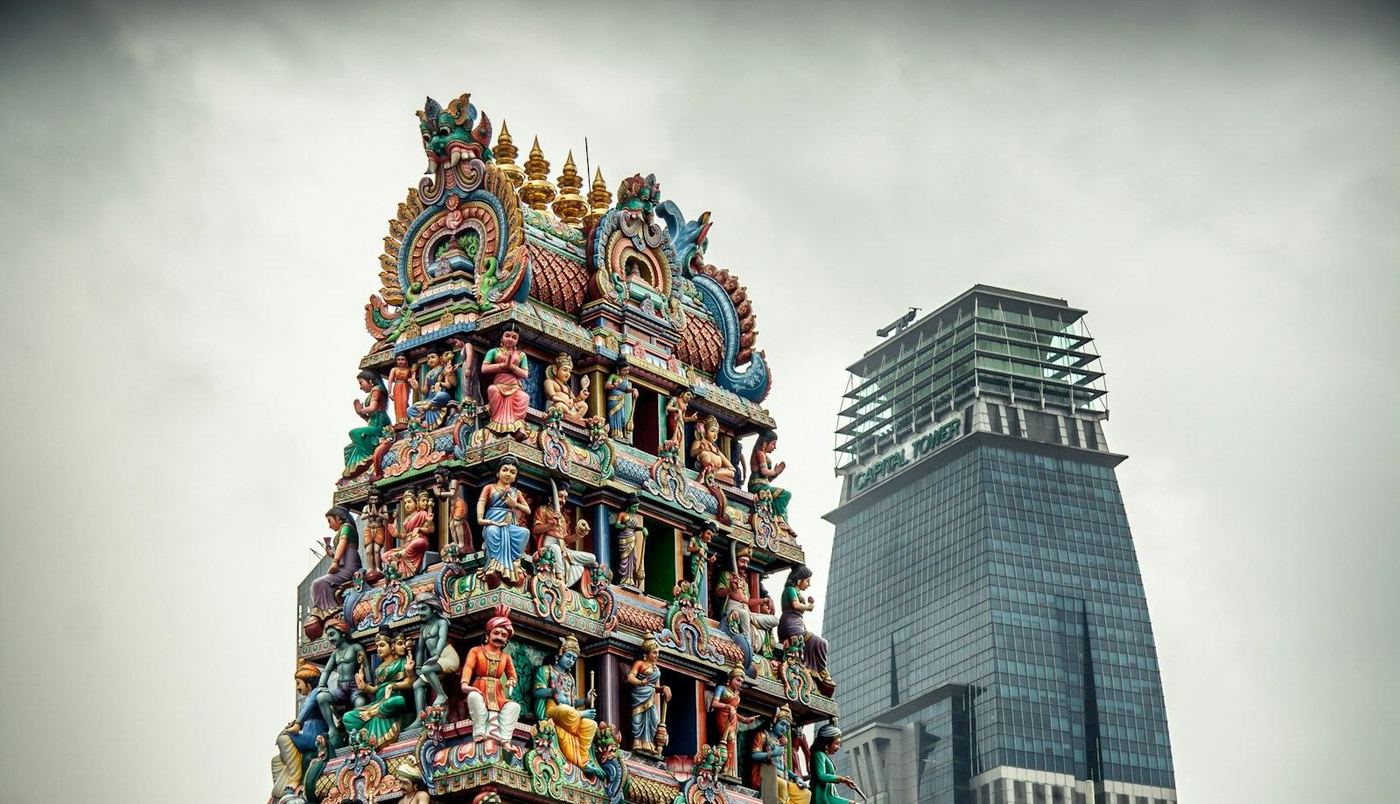
Neighbouring Nepal celebrated Tihar, a distinct multi-day festival honouring various elements including animals and familial bonds, offering a different cultural perspective. Singapore's Little India district became a focal point for Deepavali, recognisable for its seasonal lighting, shopping opportunities, and cultural events, alongside celebrations in Malaysia and Sri Lanka. These Asian hubs reveal the diverse ways the festival is observed and its profound effect on regional tourism.
Addressing Industry Challenges and Authenticity
Despite the economic benefits, Diwali 2026 travel also brought to light several challenges for destinations and the industry. Rising airfares were a particular concern for travellers, alongside issues of increased pollution and overcrowding in popular celebration areas.
Industry observers noted a growing commercialisation of religious traditions, prompting questions about the authenticity of the festival experience for visitors.
This trend raises important considerations for tourism policymakers: how to manage the influx of tourists and economic activity while preserving the spiritual and cultural integrity of one of the world's most meaningful celebrations. The balance between profitability and inclusivity remains a key discussion point.
Implications for Asian Tourism Boards
To sustain the cultural value and economic benefits of events like Diwali, Asian tourism boards and operators must implement targeted visitor management policies. By mid-2027, these entities should develop and communicate strategies that mitigate overcrowding, manage pricing transparency, and promote authentic cultural engagement rather than purely commercial attractions.
For example, Singapore's tourism board could expand community-led festival programmes in non-traditional areas to disperse crowds, while Indian states might introduce tiered pricing for heritage sites to balance access and conservation.
Such proactive measures are essential to ensure that cultural celebrations remain meaningful for both local communities and international travellers, securing long-term, sustainable growth for regional tourism.
Get The Post.
The global travel stories that matter, three mornings a week. Free.