Hotels Use AI, Biometrics for Sustainable Service
Hotels integrate AI, automation, and biometrics to enhance guest services and efficiency. Over 80% of travellers prioritise sustainability, influencing new operational shifts.
Automation and Biometrics Streamline Operations
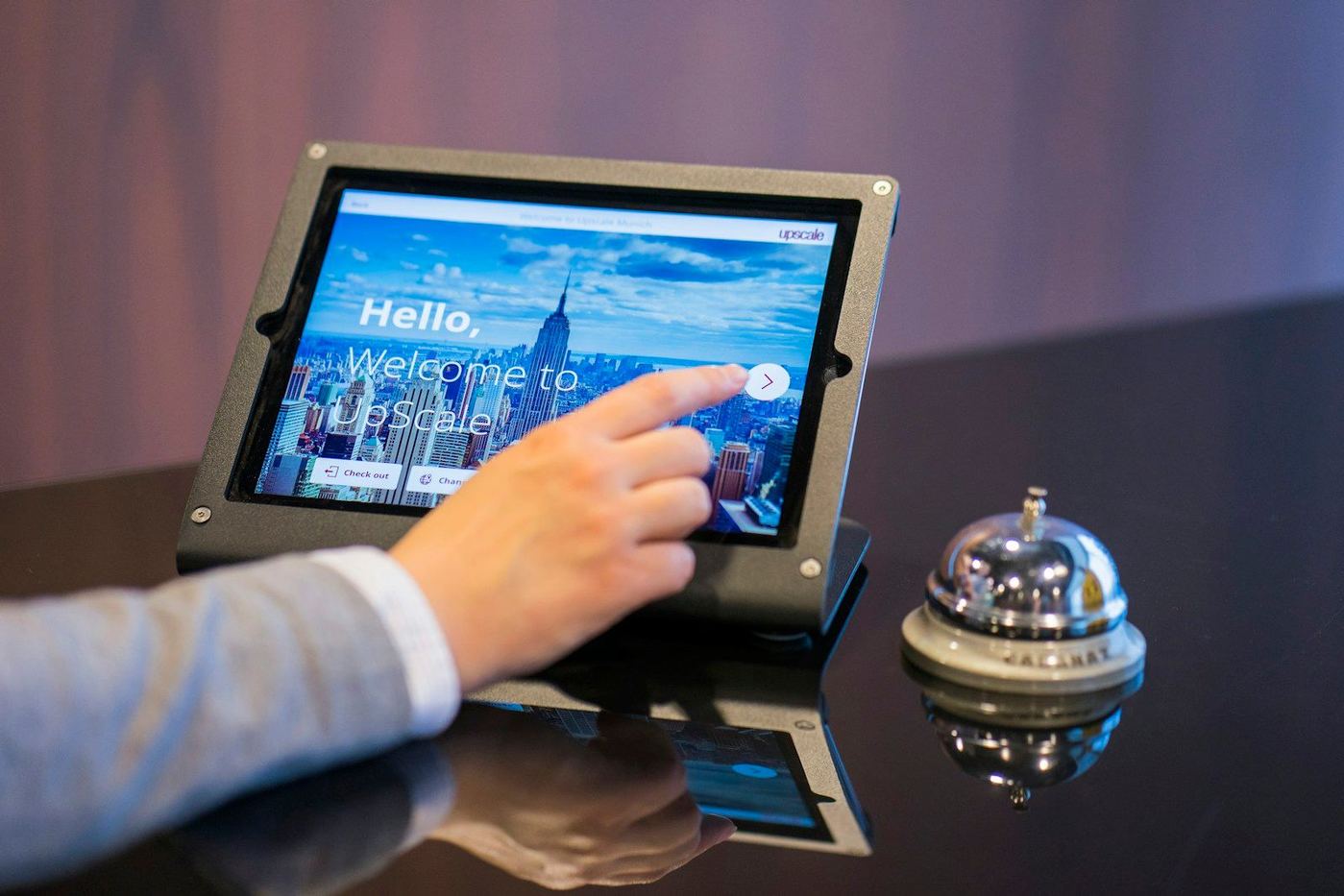
The hospitality sector is adopting advanced automation and biometric systems to improve both guest interactions and internal workflows. Automation, once primarily a back-office tool, now directly enhances the guest stay through features such as digital check-in and keyless room access via mobile applications.
When combined with artificial intelligence, these systems go further, proactively adjusting in-room climate, suggesting additional services, and providing dining recommendations tailored to a guest's history and stated preferences, as reported by Samsung for Business on 9 October 2026.
Automation also helps mitigate the impact of staffing turnover, which stood at 70–80% in 2025 according to The Staffing Agency's Hospitality Labor Report. By managing routine tasks like inventory and housekeeping schedules, automation frees employees to focus on direct guest interaction.
Biometric identification, using facial recognition or fingerprints, has become a practical tool for contactless check-ins, age verification at bars, and controlled entry to facilities like gyms and spas.
Connected Platforms and Smart In-Room Displays
Hotels are increasingly relying on connected cloud platforms to centralise device management, content delivery, and guest insights, providing staff with greater visibility across the property.
Samsung for Business highlights its complementary cloud solutions: Samsung LYNK Cloud manages in-room displays and guest data, while Samsung VXT streamlines the creation and distribution of digital signage and other visual content. This approach helps hotels securely manage devices and content, creating more connected guest experiences.
There is also a move towards reducing bulky in-room hardware to achieve a more minimalist aesthetic. This change is particularly beneficial for cruise lines, which must manage weight limits, and for boutique hotels that favour sleek designs.
Samsung’s latest hospitality televisions (HTVs), including the HU7010F Smart Hospitality TV, HU8000F Smart Hospitality TV, and HL03H The Frame, serve as central entertainment hubs, allowing guests to stream content directly from their own devices.
Sustainability Drives Hotel Choices
A hotel’s environmental performance is now a critical factor for most travellers when making booking decisions. Statistics from Booking.com indicate that over 80% of travellers consider sustainability seriously. Consequently, many hotel brands are moving past general green claims to demonstrate their sustainability efforts with clear, measurable evidence.
Ongoing initiatives include removing single-use plastics, implementing composting programmes, reducing water consumption, procuring renewable energy, and installing electric vehicle chargers. Intelligent management systems are also optimising energy use based on room occupancy.
These efforts enable hotels to meet their carbon reduction objectives, reduce operational costs, and strengthen their environmental credentials, according to Samsung for Business's 9 October 2026 insights.
Personalisation and Asian Market Focus
The most effective hotels anticipate guest needs rather than merely reacting to them, moving beyond generic service to offer highly personalised interactions. This is achieved through AI-driven insights, which allow properties to deliver tailored dining recommendations and adjust in-room settings based on a guest's stay history and shared preferences.
For Asian hotel groups, adopting these technologies could differentiate offerings in a competitive market, especially as visitor numbers across the region are forecast to increase by 15% in the next 12 months, according to the Pacific Asia Travel Association's 2026 outlook.
Operators in markets like Singapore or Hong Kong, known for high rates of technology adoption, might see early benefits in guest satisfaction and operational efficiency from implementing these solutions.
Get The Post.
The global travel stories that matter, three mornings a week. Free.