Ho Tram Tourism Boost: HCMC Merger and Infrastructure Drive Growth
Ho Tram, Vietnam, reveals increased tourism interest. This follows its 2025 absorption into Ho Chi Minh City municipality. Significant infrastructure investments also contribute to the area's development. These include a new international airport and an expressway. The coastal region is becoming a key leisure destination.
Administrative Change Fuels Ho Tram's Appeal
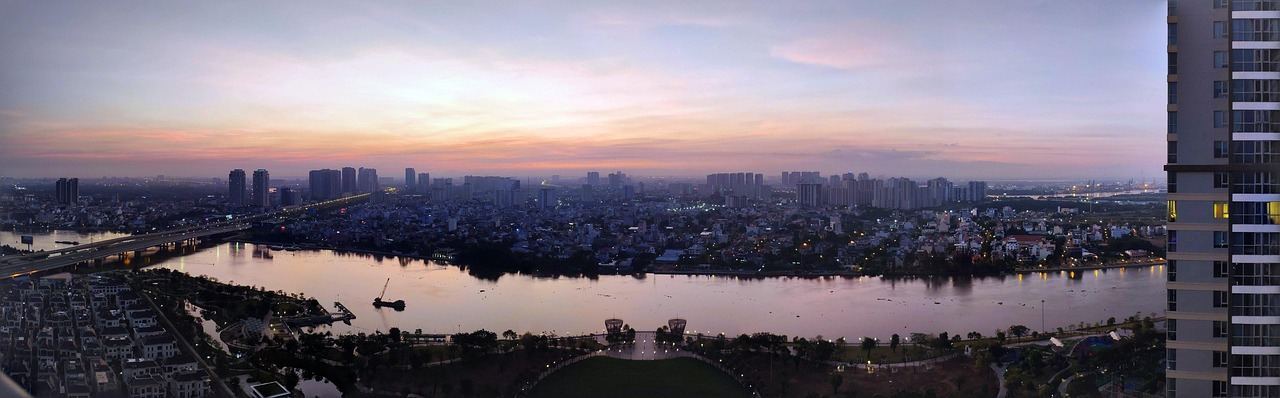
Ho Tram commune in Vietnam shows a strong uptick in visitor interest. This surge follows its absorption into the Ho Chi Minh City (HCMC) municipality. The administrative change occurred on 1 July 2025. It reduced Vietnam's provinces and major cities from 63 to 34.
Timothy Tan, vice-president of sales and marketing at The Grand Ho Tram, noted this merger provides a significant advantage. He explained it offers HCMC a coastal leisure area, a feature it lacked previously. The reorganisation of boundaries also helps raise awareness about Ho Tram. This shift supports HCMC's growth beyond city tourism. It now includes corporate and leisure travel to coastal regions.
Enhanced Connectivity through New Infrastructure
Major infrastructure projects are improving access to Ho Tram. The new Long Thanh International Airport is set to begin operations in December this year. This airport is conveniently located between HCMC and Ho Tram. Furthermore, the 42-kilometre Ho Tram-Long Thanh Airport Expressway broke ground on 1 July 2026.
This expressway will further cut travel time to approximately one hour. Current access improvements have already reduced transport time between Ho Tram and HCMC by about 30 minutes. The journey now takes around 2.5 hours. These developments position Ho Tram favourably for travellers. It enables easier combination of city visits with beach stays.
Hospitality Sector Responds to Growing Interest
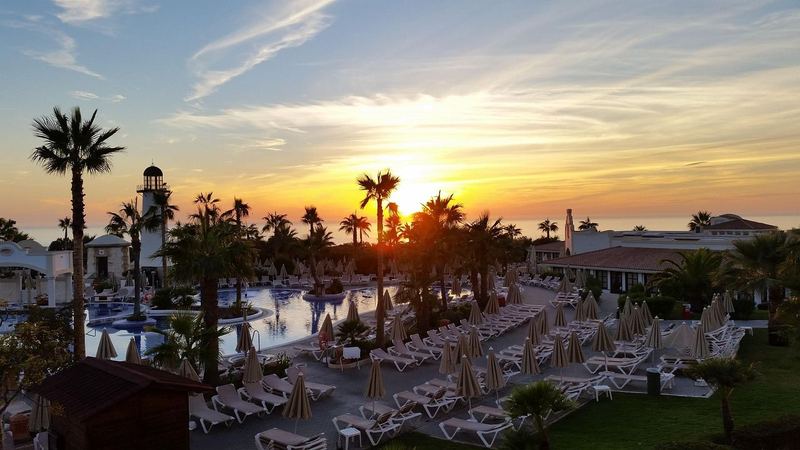
The Grand Ho Tram complex is preparing for its next development phase. The 575-key Ixora Grand Ho Tram by Fusion will open in the fourth quarter of this year. This property joins existing resorts like InterContinental Grand Ho Tram and Holiday Inn Resort Ho Tram Beach. It also includes the current Ixora Ho Tram by Fusion.
Timothy Tan stated that while the first phase focused on resort offerings, the second phase is a mixed development. It includes condominiums and residential villas. This new offering is already drawing strong interest from long-haul markets. Russia and Australia are also showing considerable engagement. The area is becoming a new destination for many projects.
Future Implications for Travellers and Development
The administrative merger and infrastructure build-out create clear implications. Travellers can now combine HCMC’s urban activities, shopping, and nightlife with a coastal retreat. This makes adding two or three nights at the beach a simple extension. For the industry, Ho Tram’s transformation demonstrates how strategic planning can boost tourism numbers.
The improved access and new developments attract further investment. Other projects are now considering the area, observing the achieved growth. This regional development establishes Ho Tram as a significant new leisure destination within Vietnam, enhancing its appeal to international visitors.
Get The Post.
The global travel stories that matter, three mornings a week. Free.