Hollywood Burbank Airport Unveils $1.3 Billion Modern Terminal
Replacing a 1930s-era complex, the new 355,000-square-foot facility at Hollywood Burbank Airport features 14 gates and expanded amenities for travellers.
New Terminal Opens After Three Years of Construction
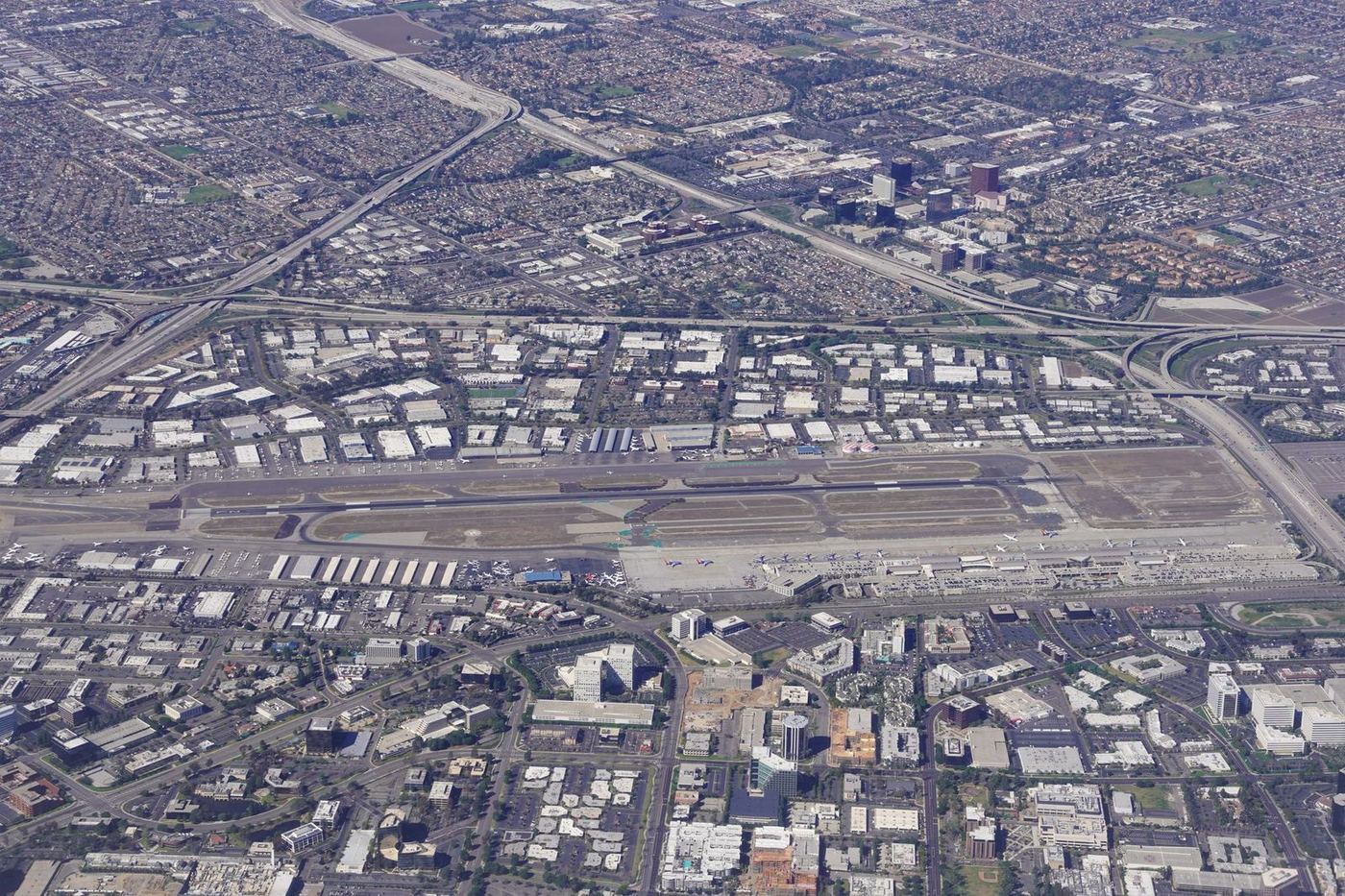
Hollywood Burbank Airport officially opened its new terminal to passengers on Tuesday, 14 October 2026, culminating nearly three years of construction. The expansive new facility, which cost an estimated US$1.3 billion, measures 355,000 square feet.
It replaces the airport's previous terminal complex, which originated in the 1930s and had undergone renovations and expansions in the 1970s and 1980s to accommodate two separate terminals. This significant upgrade aims to modernise the travel experience for the millions of passengers passing through the Southern California gateway annually.
Enhanced Passenger Facilities and Capacity
The newly inaugurated terminal is approximately 50 per cent larger than its predecessor, offering a substantially improved environment for travellers. It features 14 gates, a single centralised ticketing hall, and one unified TSA checkpoint designed to streamline security procedures.
Inside, the new facility includes an indoor baggage claim area, a notable enhancement from the previous setup, alongside expanded dining and retail options located beyond security. Higher ceilings and additional charging stations contribute to a more polished and comfortable contemporary aesthetic for the airport’s users.
Preserving Unique Design While Modernising
A key design principle for the new terminal was to preserve one of Hollywood Burbank Airport's distinctive operational features: the ability for passengers to board and deplane directly from the tarmac, an element officials stated was important to retain. The old terminal structure, which served the airport for decades, is scheduled for demolition in 2027.
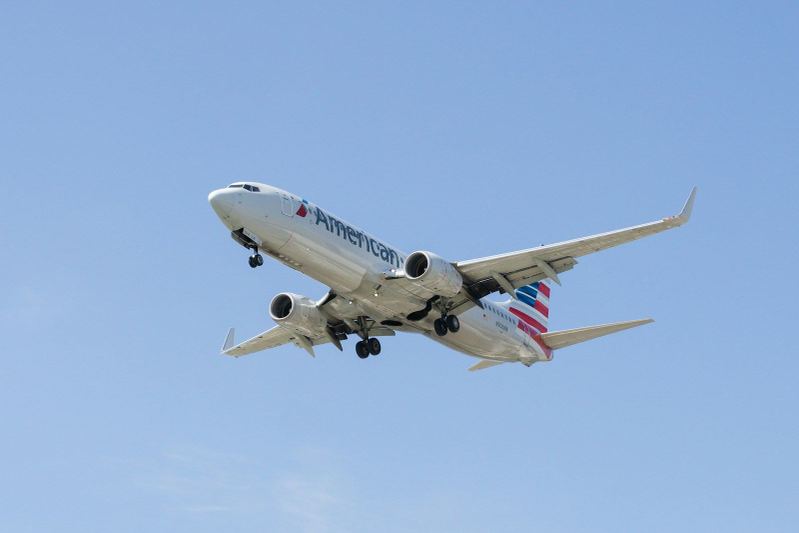
Hollywood Burbank Airport is currently served by a range of carriers, including American Airlines, United Airlines, Delta Air Lines, Alaska Airlines, Southwest Airlines, Allegiant Air, Breeze Airways, Frontier Airlines, JetBlue Airways, and JSX.
Implications for Regional Airport Development in Asia
While Hollywood Burbank Airport primarily serves domestic routes within the United States, its substantial investment in modernising infrastructure aligns with trends observed at regional airports across Asia.
Facilities such as Da Nang International Airport in Vietnam or Clark International Airport in the Philippines have similarly undergone significant upgrades or opened new terminals in recent years. These projects aim to boost capacity, streamline passenger flows, and improve overall travel comfort.
Such developments are critical for accommodating increasing air traffic and enhancing connectivity, factors that directly influence the attractiveness of destinations for both leisure and business travellers, including those originating from or connecting through major Asian hubs.
Get The Post.
The global travel stories that matter, three mornings a week. Free.