Lee County Allocates $3.97 Million for Coastal Projects
Florida's Lee County Commissioners approved funding from tourist development taxes for beach and shoreline work, part of a nearly $13 million programme for fiscal year 2026–2027.
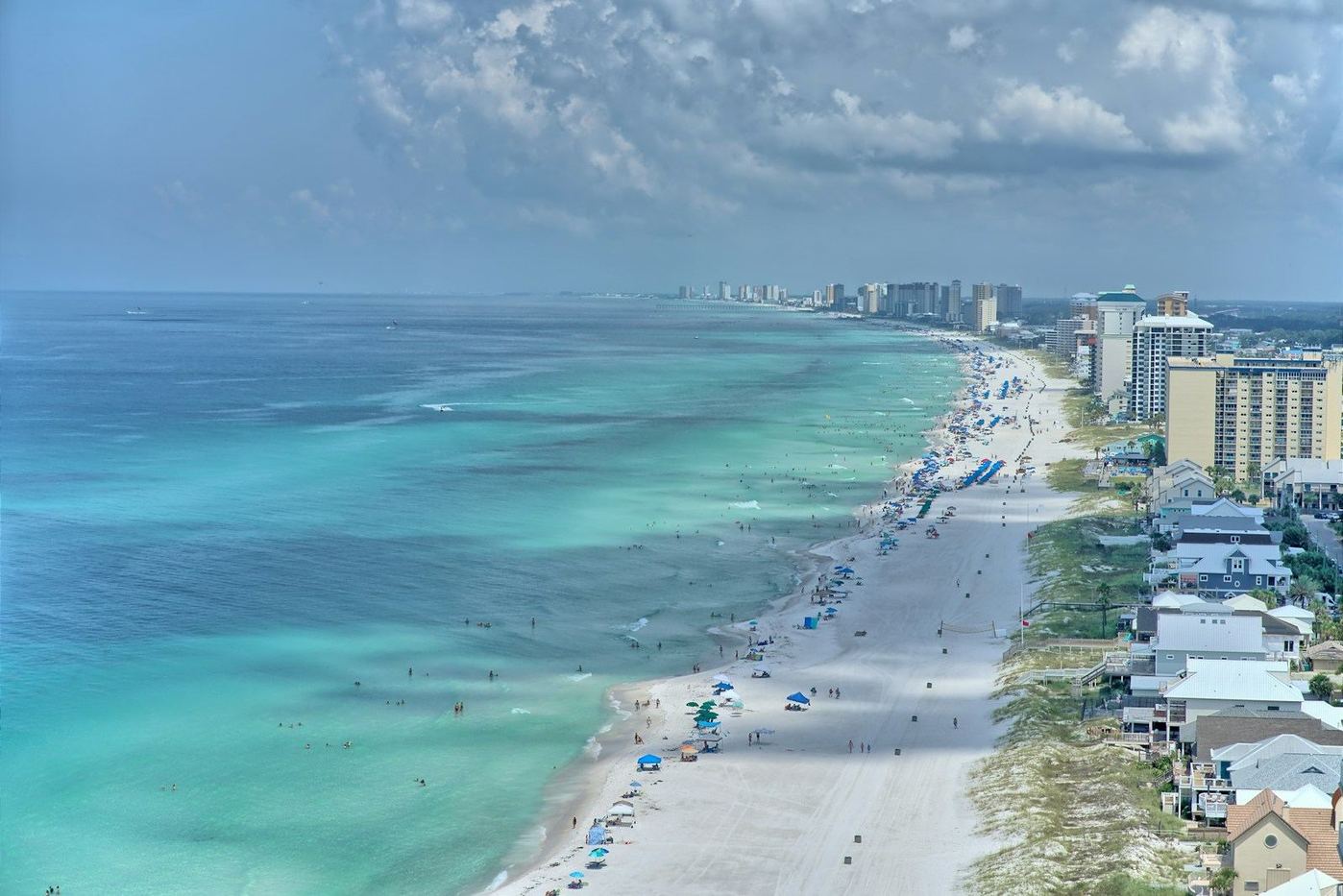
Lee County Commissioners Approve Coastal Works
The Lee Board of County Commissioners in Florida voted on Tuesday, 6 October 2026, to authorise $3.97 million for coastal initiatives. These funds are designated for Beach and Shoreline Program projects through various interlocal agreements.
The allocation forms a portion of a larger budget of nearly $13 million, sourced from the county’s Tourist Development Tax revenue, earmarked for the programme during the fiscal year 2026–2027. This financial commitment aims to maintain and improve the region’s vital coastal assets, which are central to its appeal as a travel destination.
Tourist Development Tax Fuels Infrastructure
The funding mechanism relies directly on the Tourist Development Tax, a levy collected from visitors to Lee County. This revenue stream is specifically purposed for projects that directly benefit tourism infrastructure and services.
By channelling these taxes back into coastal preservation and enhancement, the county supports the long-term viability of its beaches, which serve as primary attractions for both domestic and international visitors.
Such investments are crucial for sustaining the natural resources that draw travellers to the region, ensuring that the destination remains competitive and attractive.
Maintaining Destination Allure
These investments are critical for preserving the natural allure of Lee County’s coastline. Well-maintained beaches and shorelines are fundamental to the area's tourism economy, directly influencing visitor satisfaction and return rates.
The ongoing commitment to these projects helps protect against erosion and natural wear, ensuring that the physical environment continues to meet visitor expectations for quality and accessibility. This proactive approach to infrastructure management demonstrates a focus on safeguarding the assets that drive economic activity within the travel and hospitality sectors.
Asian Coastal Destinations Observe Similar Challenges
Coastal destinations across Asia, from Thailand’s Phuket to Vietnam’s Da Nang, face comparable pressures regarding environmental preservation and infrastructure upkeep, often relying on tourism-derived revenues for such efforts. While specific funding mechanisms vary, the principle of using visitor taxes to maintain natural attractions is a common strategy.
For instance, popular coastal areas in Southeast Asia continually assess strategies to manage beach erosion and protect marine ecosystems, which are paramount to their tourism economies.
The approach taken by Lee County offers a point of reference for how public bodies can dedicate specific funds to sustain the environmental quality that attracts travellers, a key consideration for many Asian markets.
Get The Post.
The global travel stories that matter, three mornings a week. Free.