Rome Mayor Proposes Higher Tourist Taxes, Rental Curbs for Overtourism
Mayor Roberto Gualtieri aims to protect Rome's historic core and local economy by increasing levies on overnight stays and regulating short-term accommodation, differing from Venice's day-tripper fee approach.
Rome's Strategy for Sustainable Tourism
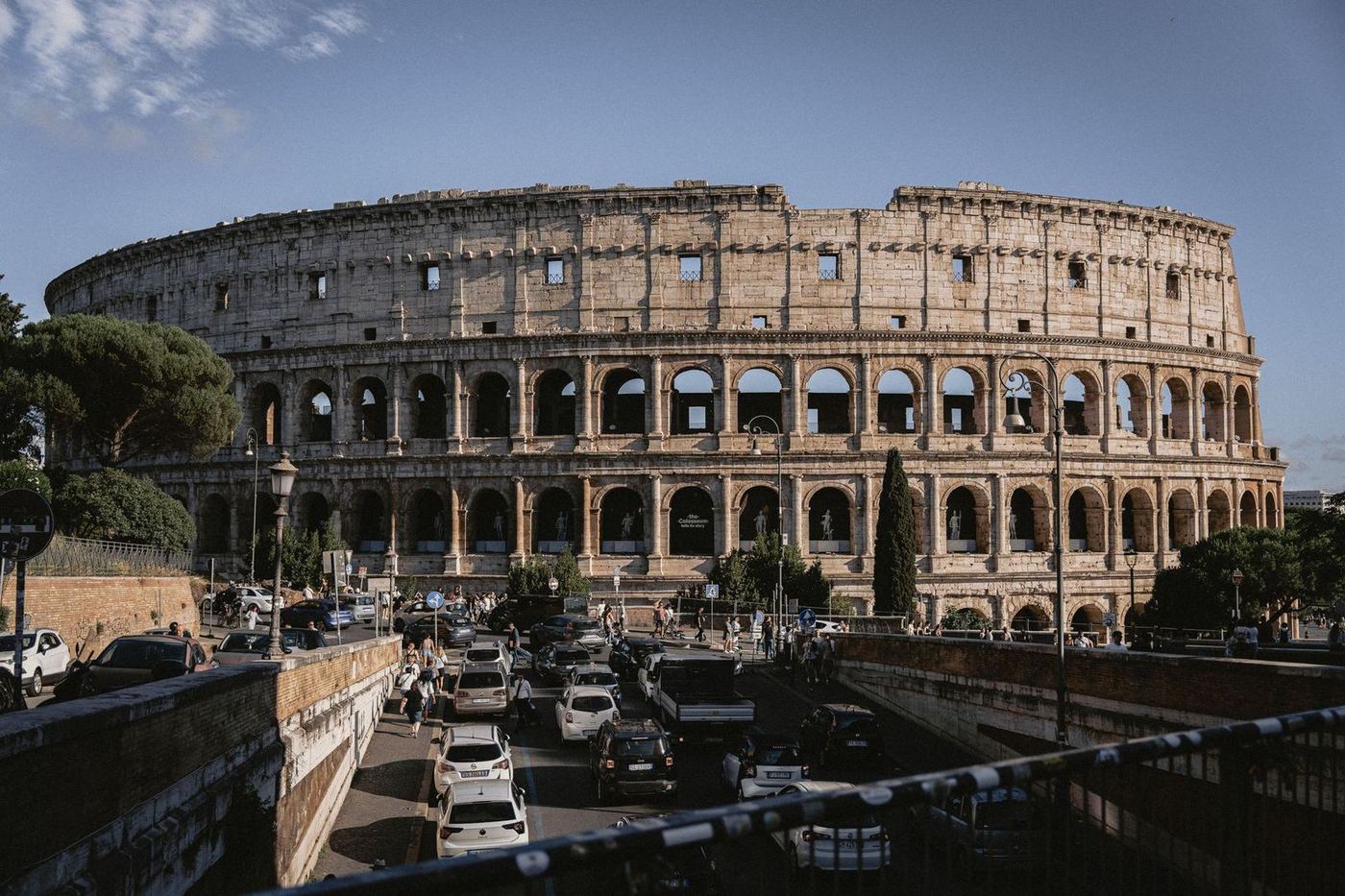
Rome's Mayor Roberto Gualtieri announced plans to increase taxes on hotel and other overnight stays, alongside implementing stricter controls on short-term rental properties. This strategy aims to manage the Eternal City's growing visitor numbers and preserve the authentic character of its 3,000-year-old historic centre.
Mayor Gualtieri explicitly rejected the idea of an entrance fee for the city, a measure recently trialled in Venice. He stated in a recent interview that such a system would be unsuitable for Rome, given its larger size and the higher proportion of visitors who stay overnight and already contribute through room taxes. The mayor emphasised his commitment to ensuring tourists can visit the city and local businesses are safeguarded.
Legislative Efforts and Regional Parallels
The city's assembly approved an update to urban development rules this past summer, a process that concluded after nearly two decades. These changes, supported by Mayor Gualtieri, include enhanced protections for residential housing within Rome's historic core. Further action is anticipated to adopt new regulations specifically targeting short-term rentals.
Other Italian cities have already moved to address similar challenges: Florence and Bologna have enacted rules preventing the conversion of non-residential properties within their historic centres for short-term letting.
Mayor Gualtieri's administration is equipping itself with tools to impose restrictions on various types of properties to curb the proliferation of such accommodation.
Addressing Record Visitor Numbers
Rome recorded an unprecedented influx of tourists in 2025, with city data showing 22.9 million arrivals, including 12 million from international destinations. Overnight stays reached an all-time high of 52.92 million.
A survey released in September by real estate firm Brixa highlighted the pressure on the city centre, reporting over 122,000 beds available for overnight stays compared to approximately 116,000 residents in the area.
This research also indicated that the trend of short-term lettings, traditionally concentrated in the historic centre, is now extending into residential neighbourhoods on the city's outskirts. Mayor Gualtieri described his goal as discouraging "hit-and-run" tourism, where visitors consume without contributing meaningfully.
Implications for Travellers and Asian Destinations
For travellers planning visits to Rome, these proposed changes mean an likely increase in accommodation costs due to higher tourist taxes on overnight stays. The anticipated restrictions on short-term rentals could also reduce the availability of certain lodging options, potentially shifting demand towards hotels or officially regulated guesthouses.
While Rome's specific context differs from many Asian cities, its proactive approach to managing overtourism offers a case study for destinations across Asia grappling with similar pressures.
Policymakers in popular Asian locales, such as Kyoto or Bali, which are also balancing visitor growth with local quality of life, may observe Rome's strategies for preserving its cultural heritage and local economy amidst record arrivals.
Get The Post.
The global travel stories that matter, three mornings a week. Free.