Indonesia, Malaysia, Singapore Haze Worsens, Flights Hit
Hazardous haze levels across Indonesia, Malaysia, and Singapore are forcing flight cancellations and school closures, impacting regional travel as dry weather persists.
Regional Haze Reaches Hazardous Levels
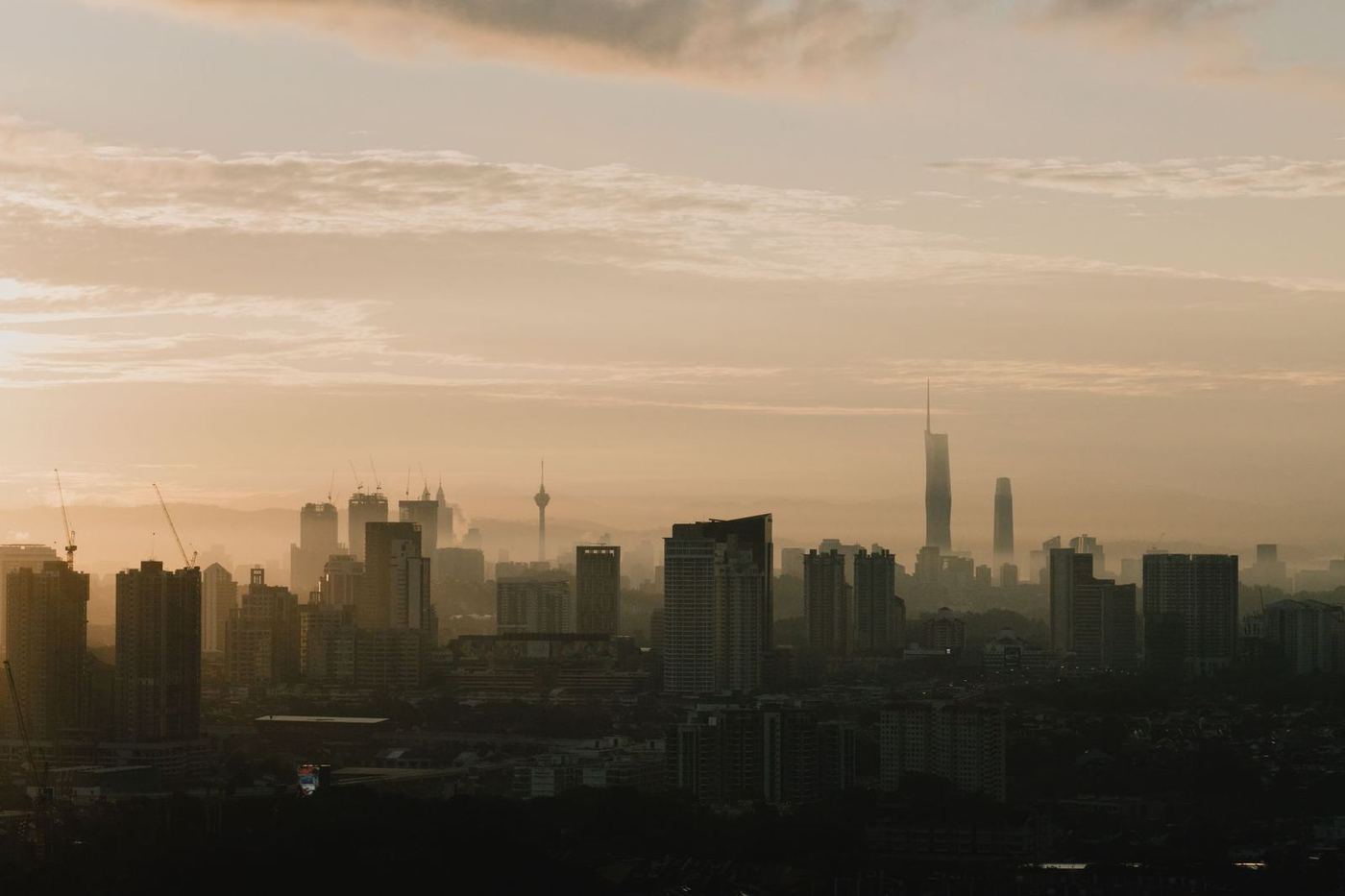
Southeast Asia is grappling with a worsening haze crisis, reaching hazardous levels across Indonesia, Malaysia, and Singapore.
The ASEAN Specialised Meteorological Centre’s regional monitoring, reported by Singapore’s National Environment Agency on 12 October, indicates moderate to dense smoke haze covering Peninsular Malaysia, Singapore, central and southern Sumatra, parts of Borneo, and the southern Philippines.
Monitoring stations in Kalimantan, Peninsular Malaysia, Singapore, and parts of Sumatra have reported unhealthy to hazardous air quality. Indonesia remains at the centre of the crisis, with widespread fire hotspots detected across Sumatra and Kalimantan.
Wildfires have burned an estimated 800,000 hectares in Indonesia this year, as reported by Reuters on 11 October, with these fires also linked to 175,000 respiratory illness cases in the country.
Public Health Measures and School Closures
Authorities across the affected region are mobilising firefighting resources and preparing public health measures. In Malaysia, the State of Johor, bordering Singapore, has extended school closures through 16 October, citing air pollution readings of 170–180 on Malaysia’s Air Pollutant Index.
Schools in four education districts covering Kuala Lumpur and Selangor were also ordered to close on 12 October. Malaysia and Indonesia are coordinating firefighting assistance, including proposed aerial water-bombing operations.
Singapore is also preparing contingency measures; on 10 October, Sustainability and Environment Minister Grace Fu stated the government had stocks of N95 masks ready. Plans are in place to distribute masks to eligible residents and activate air-conditioned community shelters if the 24-hour Pollutant Standards Index (PSI) exceeds 200.
Airlines Adjust Operations Amid Reduced Visibility
The severe haze has significantly reduced visibility at airports across Indonesia and Malaysia, leading to operational adjustments by airlines. Malaysian carrier Firefly has cancelled all six daily round trips between Singapore’s Seletar Airport and Subang in Kuala Lumpur through 12 October, attributing the decision to haze and weather conditions.
Passengers are being transferred to Malaysia Airlines services between Kuala Lumpur International Airport and Singapore Changi, subject to seat availability, or offered refunds. Further disruptions have been reported at Malaysia’s Senai International Airport in Johor State.
In Indonesia, Lion Air warned on 11 October that smoke haze and adverse weather could cause delays and cancellations on services connecting Jayapura, Wamena, Manokwari, and Sorong.
Earlier disruptions at Pekanbaru and Palembang airports saw aircraft return to departure airports, divert, or wait for improved visibility, with visibility near Batam reduced to two to three kilometres.
Uncertain Outlook for Regional Tourism
The outlook for the haze crisis remains uncertain, with Singapore’s environmental agency expecting continued dry weather across parts of southern Southeast Asia. While showers in some areas could help suppress hotspots and improve air quality, smoke may persist where dry conditions continue, with winds forecast from the southeast to southwest.
For the tourism industry, the immediate risks include flight diversions, reduced visibility impacting outdoor attractions and excursions, and growing health concerns for visitors. Although no region-wide aviation shutdown has been reported, travellers should confirm flight status with airlines before heading to the airport and monitor local air-quality advisories.
The crisis also threatens destinations’ appeal, particularly as the region enters its peak travel season, potentially affecting booking patterns and visitor numbers.
Get The Post.
The global travel stories that matter, three mornings a week. Free.