Tourist walks 14 km in Singapore after high Grab fare
A traveller chose to walk 14 kilometres for four hours after midnight to avoid a S$50 Grab fare in Singapore, sparking online discussion about the city's safety for pedestrians.
Overnight walk to avoid ride-hailing cost
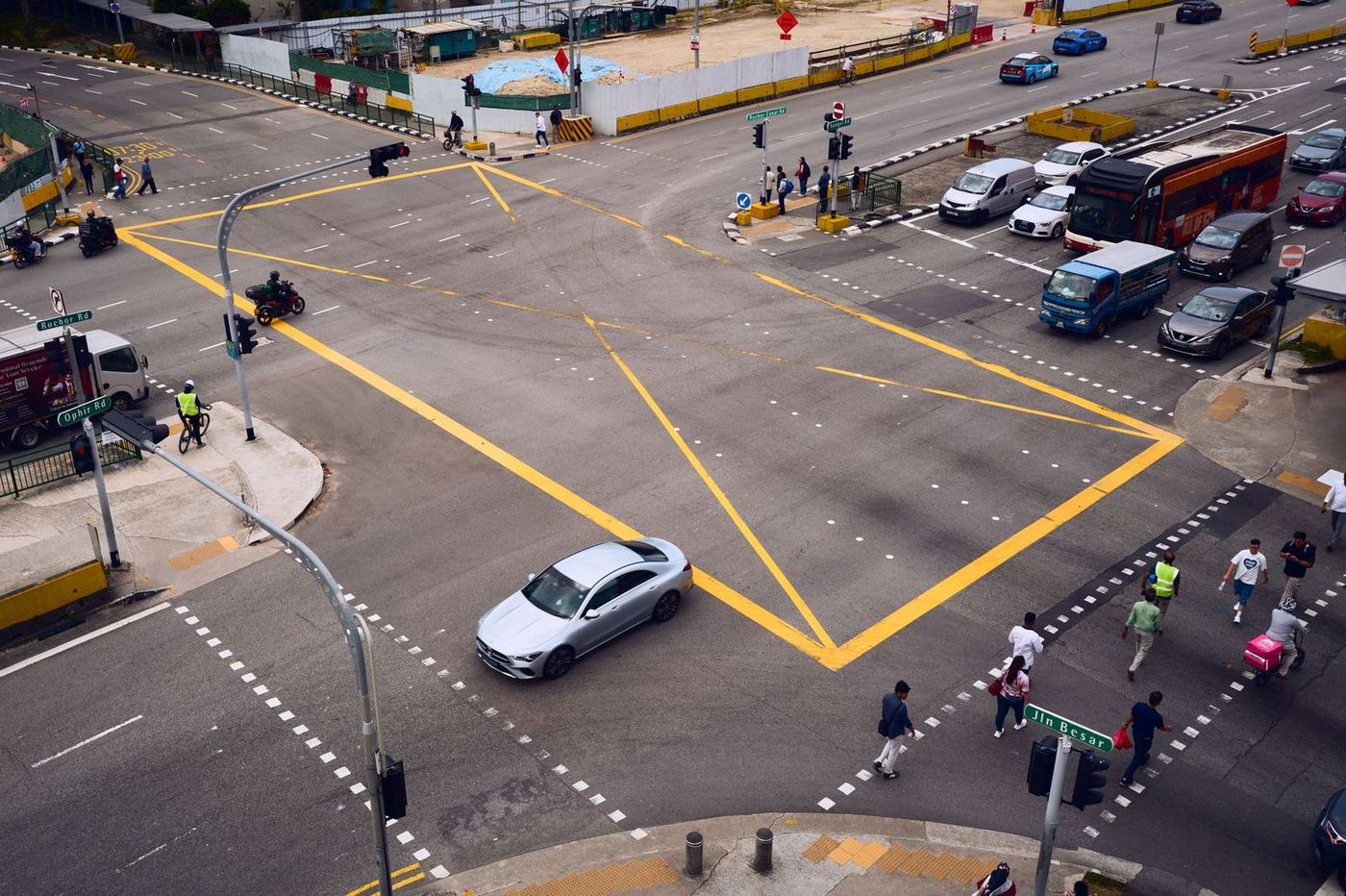
A female tourist, identified as Denise, undertook a four-hour, 14-kilometre walk across Singapore after midnight on 21 September 2026, opting against a Grab ride that would have cost approximately S$50 (US$40). Documenting her experience in a TikTok video, Denise stated her decision was driven by the high ride-hailing fare.
She commenced her walk from Boat Quay, arriving at Bugis around 1 a.m., eventually reaching her accommodation by 4 a.m. The incident has since generated considerable online discussion regarding safety standards in Singapore.
Traveller's perspective on Singapore's night safety
Denise explained that the idea to walk seemed reasonable at the time due to the elevated Grab pricing, noting she had always wanted to experience walking alone in Singapore late at night. While she initially found the experience 'surprisingly peaceful,' she reported feeling tired after two hours and experienced fear when passing a cemetery in Hougang.
Her shoulders also became sore from carrying her handbag. Despite these challenges, she concluded that the walk made her 'appreciate how safe Singapore feels, even at night.' Her TikTok video had gathered over 90,000 views as of 25 September 2026.
Public reaction and city's safety reputation
The tourist's overnight walk garnered a mixed reaction online, with many netizens commending Singapore's reputation as a safe destination. Some highlighted the city-state's low crime rates, often attributed by analysts to strict laws, effective law enforcement, extensive surveillance, and a high standard of living.
However, other commenters cautioned against complacency, advising travellers not to take safety for granted. Separately, travel platform GuruWalk ranked Singapore 70th globally for walking exploration in 2026, placing it behind other Asian cities such as Hanoi, Ho Chi Minh City, and Kuala Lumpur.
Implications for urban travel and destination marketing
This incident, alongside another in July 2026 where three women walked 9.4 kilometres to Changi Airport at 3 a.m. to avoid a short car ride, shows how perceptions of ride-hailing costs can influence traveller behaviour in Singapore. For destination marketers, such stories, even with positive safety outcomes, contribute to the ongoing narrative about urban safety and walkability.
Operators of ride-hailing services in major Asian hubs may need to assess pricing strategies during off-peak hours to ensure they remain a viable option for travellers, preventing situations where high fares lead to unexpected travel choices that could raise different safety concerns for some individuals.
Get The Post.
The global travel stories that matter, three mornings a week. Free.