American Airlines Offsets Half of Q2 Fuel Costs with Higher Fares, Reduces Full-Year Profit Forecast
American Airlines reported offsetting 50% of its second-quarter fuel expenses through increased ticket prices, achieving record revenue. However, the carrier adjusted its full-year profit outlook downwards, as reported by Skift on July 23rd, 2026.
Q2 Performance and Fuel Cost Management
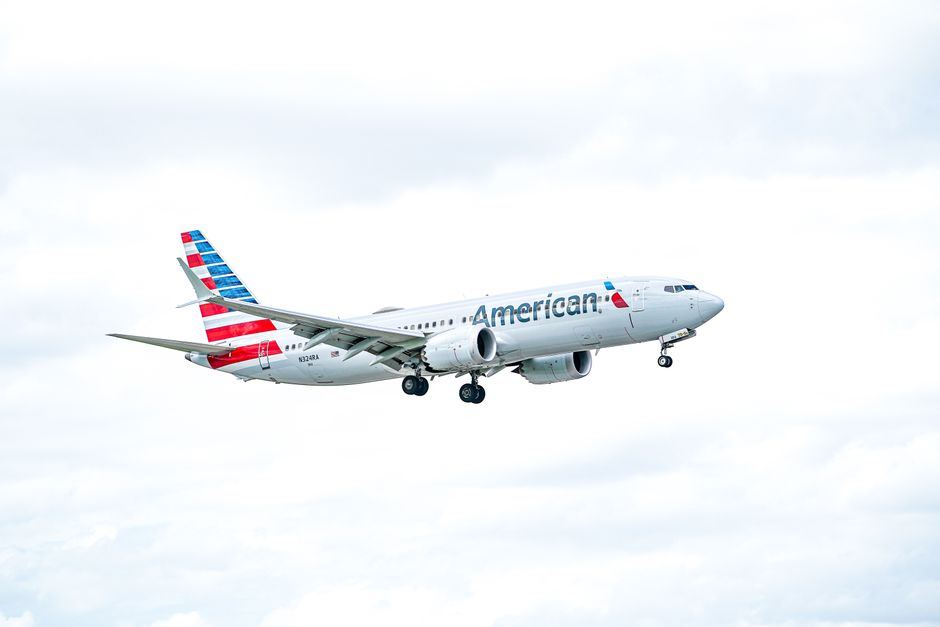
American Airlines announced on Thursday, July 23rd, 2026, that it managed to cover half of its fuel expenditure during the second quarter by raising passenger fares. This strategy contributed to the airline achieving a record revenue of $16.7 billion for the quarter, marking a 16.3% increase. Despite these gains, the carrier recorded a profit of $71 million for the period, according to a Skift report. The airline's chief executive, Robert Isom, noted that revenue growth was evident across all cabin classes and flight types, including premium, main cabin, domestic, and international services.
Revised Full-Year Profit Outlook
Despite the strong second-quarter revenue performance, American Airlines revised its full-year profit forecast downwards. This adjustment comes as pricing power emerges as a significant theme in recent airline earnings reports, with carriers aiming to establish lasting pricing increases. The airline's ability to drive a 26% growth in managed corporate revenue shows strong demand in that segment. However, the decision to lower the annual profit outlook suggests underlying challenges or a cautious approach to future market conditions, as detailed by Skift.
Implications for Air Travel and Industry Strategy
The situation at American Airlines demonstrates the ongoing efforts within the aviation industry to manage fluctuating operational costs, particularly fuel prices, through dynamic pricing. For travellers, this trend reveals that higher airfares are currently a key mechanism for airlines to maintain financial stability. Industry observers will be watching closely to see if these elevated fares can be sustained, especially if fuel costs decrease, and how this affects overall passenger demand and airline profitability in the coming quarters. This also prompts questions about the long-term sustainability of such pricing strategies for the sector.
Get The Post.
The global travel stories that matter, three mornings a week. Free.
By subscribing you consent to receive this newsletter from GlobalTravelPost (Asia Press Centre Group); unsubscribe at any time.