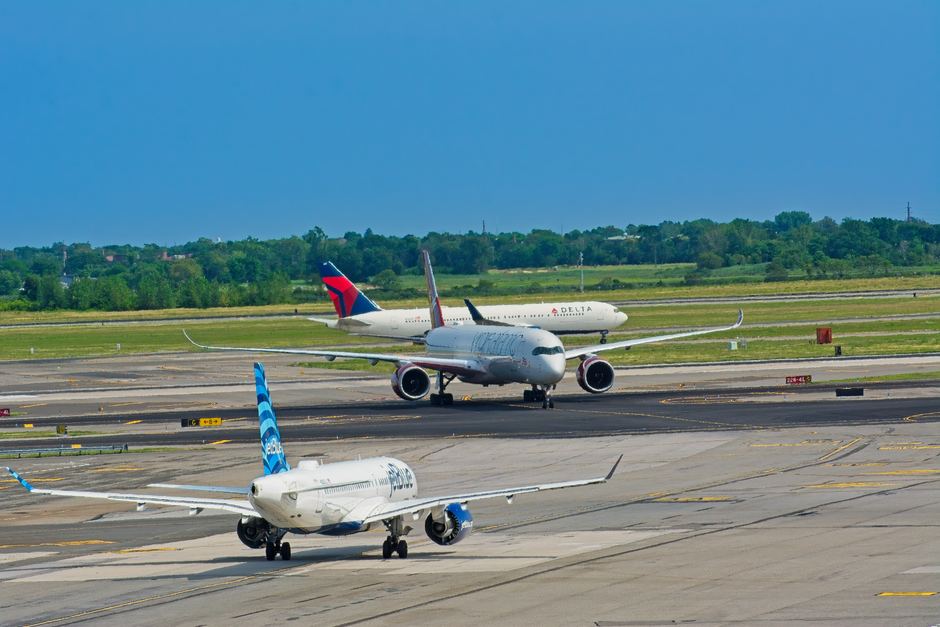
EVA Air's Premium Economy: A Revenue Powerhouse Beyond Just Legroom
Premium economy has emerged as a crucial cabin class, offering travellers enhanced comfort without the business class price tag, and proving a significant revenue stream for airlines globally.
Defining Premium Economy's Rise
Premium economy has become a crucial cabin class in global air travel, situated between standard economy and business class. It represents a deliberately designed product, not merely increased legroom, aimed at travellers seeking enhanced comfort without the expense of a lie-flat seat. EVA Air pioneered this concept in 1991, and its adoption has since become widespread across international airlines, according to Simple Flying, which published its insights in July 2026. Airlines now regard premium economy as a significant revenue stream, moving beyond its initial perception as a niche upgrade.
Beyond the Seat: Space and Environment
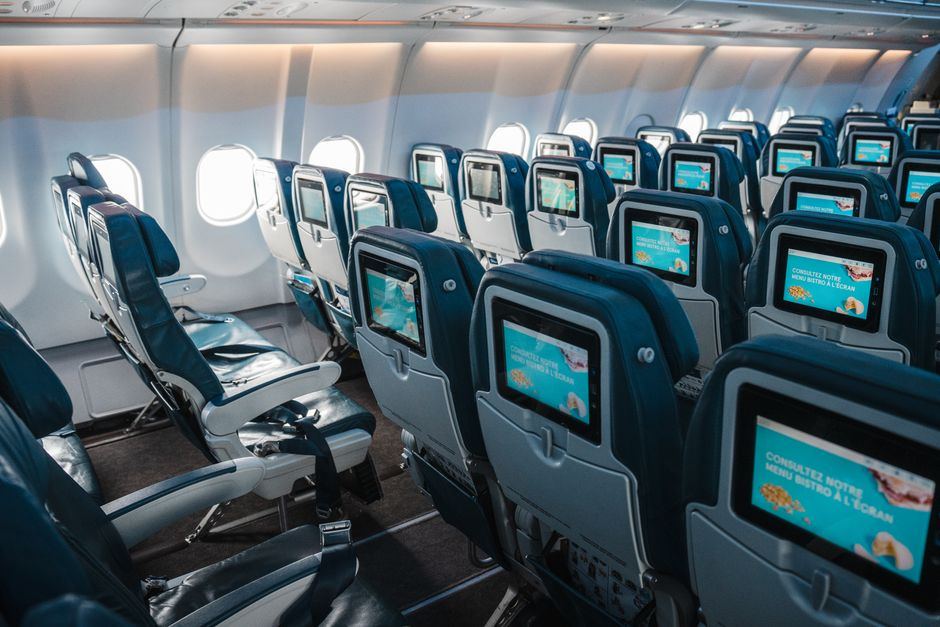
Unlike standard economy, premium economy typically features a genuinely different seat design on long-haul aircraft. These seats are wider, offer deeper recline, more generous pitch, and often include leg or footrests. This design alters how passengers sit, move, and rest during multi-hour flights, providing considerable comfort, particularly for taller individuals or those needing to work. Furthermore, premium economy often occupies a physically separate cabin, creating a quieter and less crowded environment with fewer rows and reduced foot traffic. This separation contributes to a calmer atmosphere and more attentive service, as reported by Simple Flying.
Value-Added Services and Commercial Appeal
Premium economy also includes a suite of upgraded services, extending beyond the seat itself. Depending on the carrier, these may encompass improved meals, complimentary alcoholic drinks, amenity kits, larger entertainment screens, and power outlets. These enhancements differentiate the cabin from economy without replicating a business class offering, striking a balance that appeals to a specific market segment. The combination of a superior physical product and elevated services drives its commercial success, demonstrating that travellers are prepared to pay for a noticeable step up in comfort and amenity, Simple Flying states.
Implications for Travellers and Industry
The continued expansion of premium economy across airline fleets shows a clear industry trend towards offering more segmented comfort options. For travellers, this means a growing availability of a middle-ground product that provides significant comfort improvements and a more refined flying environment at a price point below business class. Airlines, in turn, are capitalising on this demand, integrating premium economy as a core part of their long-haul revenue strategy. This development suggests ongoing investment in cabin design and service differentiation within this class.
Get The Post.
The global travel stories that matter, three mornings a week. Free.
By subscribing you consent to receive this newsletter from GlobalTravelPost (Asia Press Centre Group); unsubscribe at any time.
Related stories.

US Air Traffic Control Modernisation Challenges Highlighted; Canada's NAV CANADA Model Cites Efficiency and Safety Advantages
Boeing 737 vs. Airbus A320: Why 1960s Choices Make 737 Economy Seats Narrower