Boeing 737 vs. Airbus A320: Why 1960s Choices Make 737 Economy Seats Narrower
Boeing 737 economy seats measure approximately 17 inches across, narrower than rival Airbus A320s. This dimension originates from design decisions made in the 1960s to reuse fuselage elements from earlier models, Simple Flying reports.
Boeing 737 Seat Dimensions
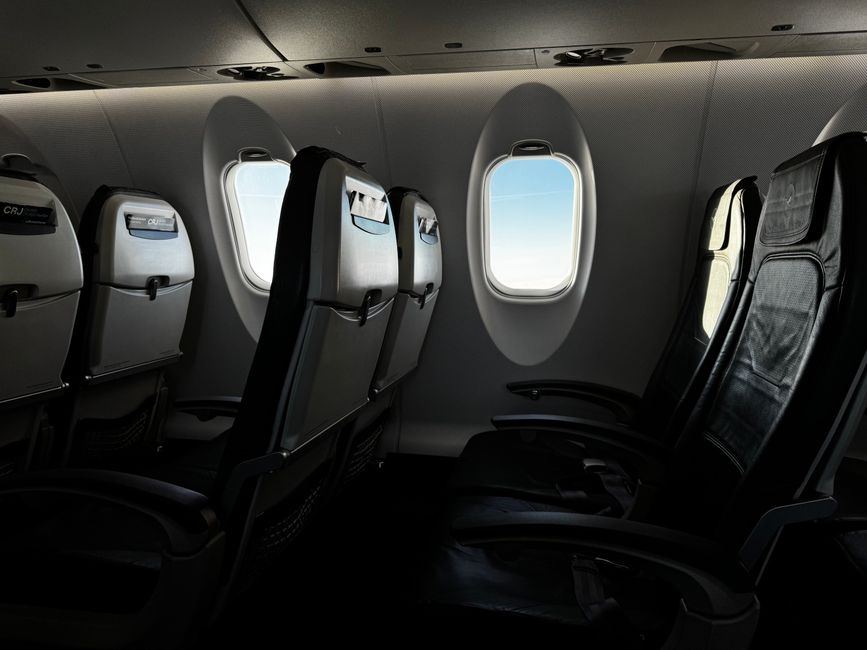
Economy seating on Boeing 737 aircraft averages 17 inches (43.18 cm) in width, a dimension comparable to nine-abreast Boeing 787s or ten-abreast Boeing 777s, according to an analysis by Simple Flying. This contrasts with the approximately 18-inch (45.72 cm) width found on Airbus A320 economy seats. The 737, which first flew in 1968 as the 737-100, is Boeing's oldest commercial airliner still in production, with its current 737 MAX family retaining the original fuselage cross-section despite numerous other technological updates.
Engineering Commonality and Efficiency
Boeing opted to reuse elements of its 707 design for subsequent models, including the 727 (debuted 1964) and the 737, to accelerate development and reduce production costs in the 1960s. All three narrowbody aircraft shared a similar upper-lobe fuselage section, including the 'Section 41' forward nose and cockpit design, as Simple Flying details. This engineering commonality allowed Boeing to bring the 737 to market quicker, maintaining a consistent internal width that was standard for economy seating at the time.
Implications for Modern Air Travel
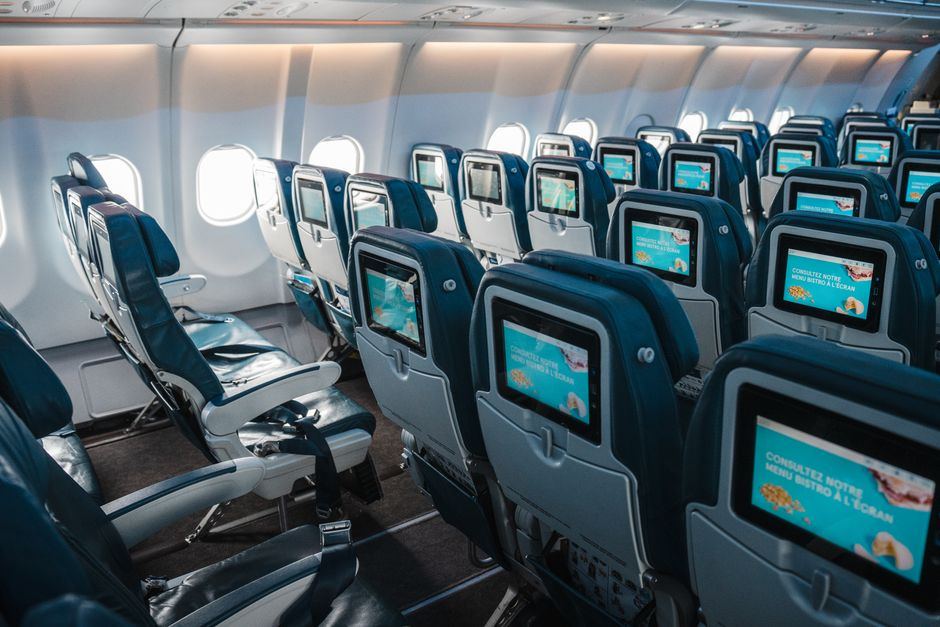
For travellers, the legacy 737 fuselage design means a consistently tighter seating arrangement in economy class compared to flights on Airbus A320 aircraft. While the 737 MAX variants now operate on medium-to-long-range routes, offering similar economic capabilities to their Airbus rivals, the difference in seat width remains a notable distinction. Airlines continue to deploy 737s extensively across global networks, making this 17-inch seat width a common aspect of air travel for millions, Simple Flying reports.
Get The Post.
The global travel stories that matter, three mornings a week. Free.
By subscribing you consent to receive this newsletter from GlobalTravelPost (Asia Press Centre Group); unsubscribe at any time.