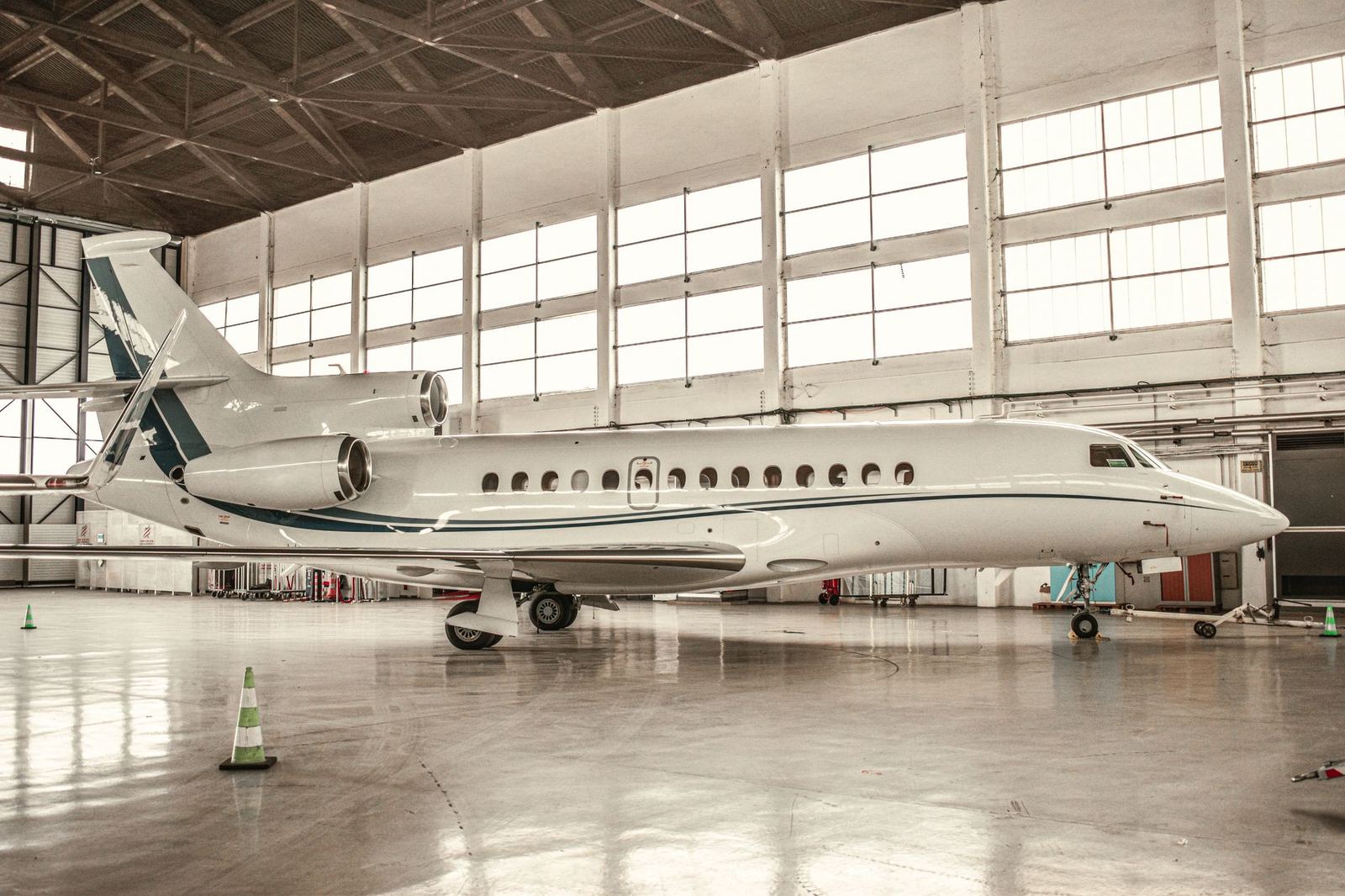
Boeing 777-9 and Airbus A350-1000 Define 2030s Long-Haul Market Competition
The long-range aviation market enters a defining competitive period. Boeing's 777-9 widebody jet faces a significant challenge from Airbus's A350-1000. This rivalry will shape global airline fleet strategies through the 2030s.

Widebody Rivalry Shapes Future Long-Haul Fleets
The long-range aviation market enters a defining competitive period. Boeing's 777-9 widebody jet faces a significant challenge from Airbus's A350-1000. This rivalry will shape global airline fleet strategies through the 2030s. The 777-9, set to be the largest twin-engine airliner, has experienced considerable delays. Its competitor, the A350-1000, has already operated commercially for several years. This operational head start by Airbus affects how carriers plan their future long-haul services. The competition extends beyond technical specifications, focusing on market presence and proven operational reliability. Airlines must weigh the 777-9's higher capacity against the A350-1000's established service record. The contest is not merely about which aircraft performs better on paper. It centres on whether Boeing's larger design can overcome Airbus's years-long market lead. This dynamic influences route planning, passenger capacity, and operational economics for the next decade. (Source: Simple Flying)
Capacity, Range, and Design Distinctions
The Boeing 777-9 offers a two-class capacity of 375 to 450 seats. Its range extends up to 8,000 nautical miles (14,816 km). The Airbus A350-1000, in a typical three-class layout, seats 350 to 410 passengers. It boasts a longer range of up to 8,700 nautical miles (16,112 km). The 777-9 provides approximately 16% more seats. This offers a meaningful margin for seat-mile costs, according to AirInsight. Airbus highlights its advanced composite construction. The A350-1000's structure uses 53% carbon-fibre reinforced polymer by weight. This reduces weight, fuel consumption, and maintenance needs. Neither aircraft holds a clear overall advantage. Boeing's larger cabin spreads costs across more passengers. Airbus's lighter airframe reduces aircraft movement costs. The 777-9 features a unique folding wingtip design. Its 71.75-metre wingspan exceeds standard airport gate limits. Hinged wingtips fold upwards, reducing the span to 64.85 metres. This allows the aircraft to fit Code E gates. The A350-1000's 64.75-metre span fits these gates without modification. Boeing states the extended wingtip in flight lowers fuel use by 20% compared to the 777-300ER it replaces. (Source: Simple Flying)
Operational Head Start for Airbus
The Airbus A350-1000 entered commercial service in February 2018 with Qatar Airways. In contrast, the Boeing 777-9 first flew in January 2020. However, it remains uncertified as of mid-2026. Boeing now targets first delivery to Lufthansa in 2027. This schedule places it about seven years behind its initial plan. This significant delay has altered how carriers plan their fleets. As of June 2026, the A350-1000 accumulated 367 total orders and 114 deliveries. Air Canada recently added eight firm orders in February 2026. Boeing's 777-9 test programme continues, with over 4,800 flight hours across approximately 1,700 test flights. Boeing executives expressed more confidence at the recent Farnborough Airshow. Certification occurs in stages, including function-and-reliability testing, extreme-weather trials, and joint FAA/EASA sign-off. The 777-9 is still completing these final stages. Every month of certification delay extends the A350-1000's period without a direct competitor in this size class. This gap has allowed Airbus to solidify its market position. (Source: Simple Flying)
Implications for the 2030s Long-Haul Market
The protracted delay of the Boeing 777-9 has profoundly shaped the long-haul market for the 2030s. Airbus has capitalised on this gap, securing substantial A350-1000 orders and deliveries. Airlines requiring immediate widebody fleet renewals have largely turned to Airbus. This trend demonstrates the operational advantage of an in-service aircraft. The 777-9's eventual entry will introduce a larger capacity option. However, it must contend with an established rival and existing airline fleet commitments. Travellers may see the 777-9 deployed on high-density long-haul routes. Its larger seat count could influence pricing strategies on these specific services. Industry observers will watch if the 777-9's operational efficiencies, particularly its fuel savings from the advanced wing design, can offset Airbus's market lead. The coming years will reveal whether Boeing can regain ground in this critical widebody segment. The ongoing competition will define the strategic choices for global carriers throughout the next decade. (Source: Simple Flying)
Get The Post.
The global travel stories that matter, three mornings a week. Free.
By subscribing you consent to receive this newsletter from GlobalTravelPost (Asia Press Centre Pte. Ltd.); unsubscribe at any time.
Related stories.

A Trailblazer at the Helm: Frasers Hospitality Names Thuy Nguyen to Lead Its North Vietnam Growth
Delta Air Lines Faces Class Action Lawsuit Over Carbon Neutrality Claims After Federal Judge Ruling