Boeing Engine Chevrons: Quieter Flights Come with Fuel Efficiency Trade-Off for 787, 747-8, 737 MAX
Boeing’s distinctive engine chevrons, designed to reduce noise on the 787 Dreamliner, 747-8, and 737 MAX, introduce a measurable fuel consumption penalty throughout every flight, Simple Flying reports.
Boeing’s Noise Reduction Compromise on Modern Jets
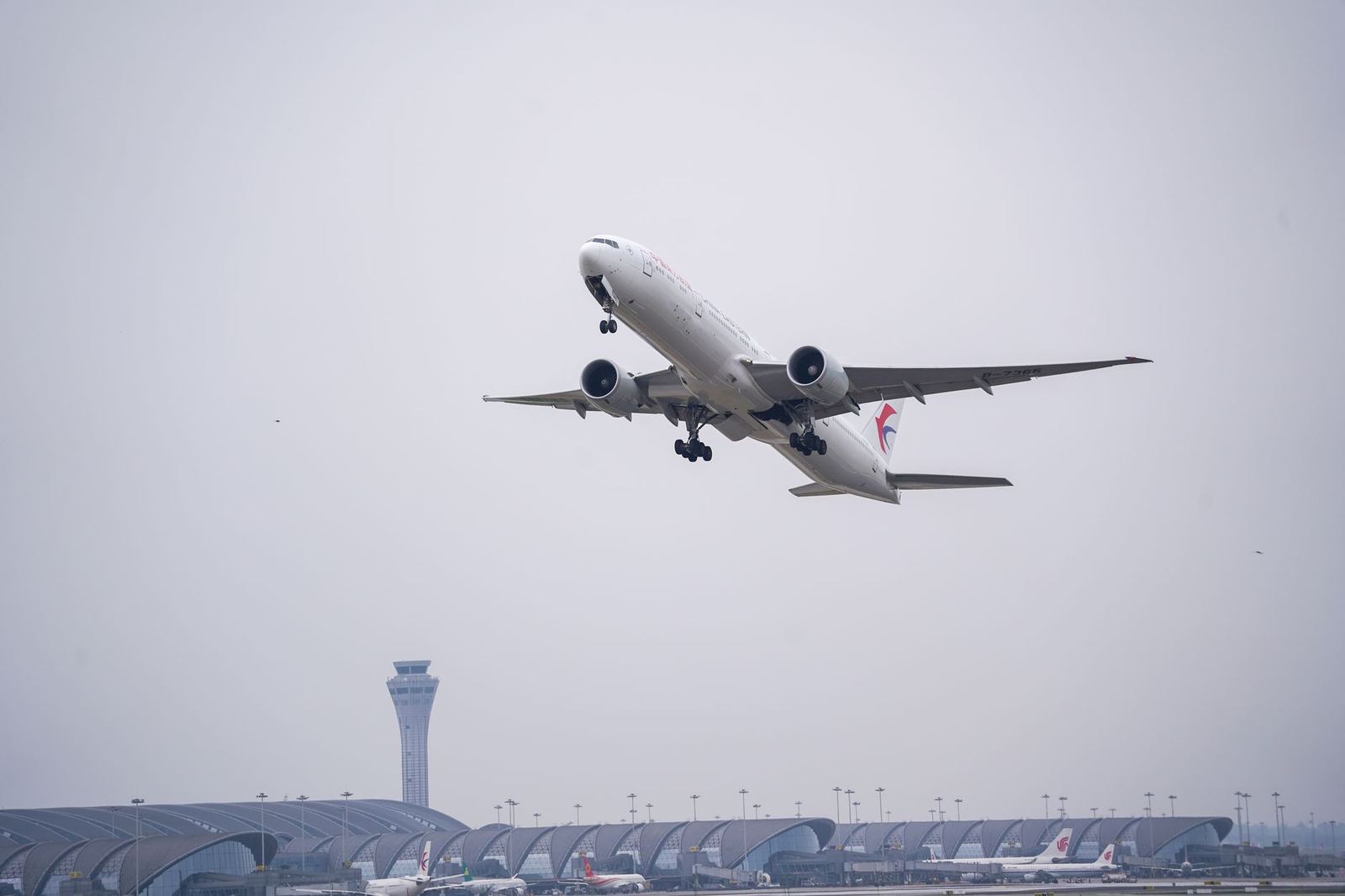
Boeing implemented a significant engineering compromise across three of its modern aircraft families – the 787 Dreamliner, 747-8, and 737 MAX – prioritising noise reduction over absolute fuel efficiency. According to a report by Simple Flying on 1 August 2026, the distinctive serrated edges, known as chevrons, on the trailing edge of these aircraft’s engine nacelles were developed to mitigate aircraft noise around airports. While successfully making these jets quieter during takeoff and landing, this design feature introduces a subtle but quantifiable aerodynamic penalty, leading to increased fuel consumption across all flight phases. This trade-off highlights the complex balance engineers maintain between various performance metrics, including operating costs, emissions, and passenger comfort, during aircraft design. Boeing is reportedly moving away from this technology for its next-generation aircraft, suggesting that more advanced solutions are emerging to address noise without the same efficiency cost.
How Chevrons Reduce Engine Noise
The development of chevrons stemmed from a collaboration between Boeing, GE Aerospace, and NASA in the early 2000s, responding to increasingly strict airport noise regulations and growing public concern. Rather than undertaking a complete engine redesign, engineers focused on controlling the mixing of exhaust gases as they exit the engine. NASA states that chevrons create controlled vortices, which encourage the hot, high-speed core exhaust and the cooler, slower bypass airflow to mix more gradually with the surrounding atmosphere. This smoother mixing process reduces the abrupt velocity differences that generate significant jet noise, effectively dampening the characteristic engine roar. This innovation allowed Boeing to reduce community noise without requiring extensive modifications to the engines' internal architecture, making it a key feature on all Boeing 787 Dreamliners (regardless of engine type, including Rolls-Royce Trent 1000 and GE GEnx), the Boeing 747-8’s GEnx-2B engines, and every Boeing 737 MAX powered by the CFM LEAP-1B.
The Hidden Cost: Increased Fuel Burn
While reducing jet noise offers clear benefits, particularly for airports situated near urban areas, the aerodynamic mechanism that makes chevrons effective also incurs an unavoidable cost. The vortices generated by the serrated nozzle disrupt the exhaust flow, which slightly reduces the engine’s available thrust and overall efficiency. Although the impact is minor, commercial aviation operates on extremely tight margins where even fractional percentage points can accumulate into substantial financial consequences over thousands of annual flights. Analysis by the Mentour Pilot channel estimates that chevrons reduce available engine thrust by approximately 0.5 per cent. This seemingly small figure translates into millions of dollars in additional operating costs for airlines annually, given the billions spent on fuel. Crucially, as chevrons are permanently fixed to the nacelle, their thrust penalty persists throughout every flight phase—climb, cruise, and descent—not just during takeoff and landing where their acoustic benefits are primarily relevant.
Operational Implications for Global and Asian Carriers
The engineering compromise inherent in engine chevrons presents ongoing operational and financial considerations for airlines globally, including major Asian carriers. For operators such as Singapore Airlines, Cathay Pacific, ANA, and China Eastern Airlines, which extensively utilise Boeing 787 and 737 MAX aircraft within their fleets, the continuous fuel burn penalty directly impacts profitability. In a highly competitive market like Asia, where fuel costs represent a significant portion of an airline’s expenditure, even a 0.5 per cent reduction in thrust efficiency can translate into millions in additional annual expenses. As Boeing develops its next generation of aircraft, its shift away from this chevron technology suggests a renewed focus on optimising fuel efficiency without compromising noise reduction. This development will be closely watched by Asian airlines, as future aircraft designs that minimise such trade-offs could offer a crucial competitive advantage in managing operating costs and enhancing environmental performance across their extensive route networks.
Get The Post.
The global travel stories that matter, three mornings a week. Free.
By subscribing you consent to receive this newsletter from GlobalTravelPost (Asia Press Centre Pte. Ltd.); unsubscribe at any time.