Mexico Allocates $115 Million to Combat Sargassum Seaweed Impacting Caribbean Tourism
Mexico's government announced on July 31st, 2026, a $115 million investment to tackle record levels of sargassum seaweed along its Caribbean coast. The initiative, comprising specialised vessels, offshore barriers, and monitoring systems, aims to mitigate the ecological and economic damage caused by the decomposing algae, which has led hotels to reduce rates. The tourism sector has welcomed the funding but advocates for more comprehensive, long-term environmental solutions.
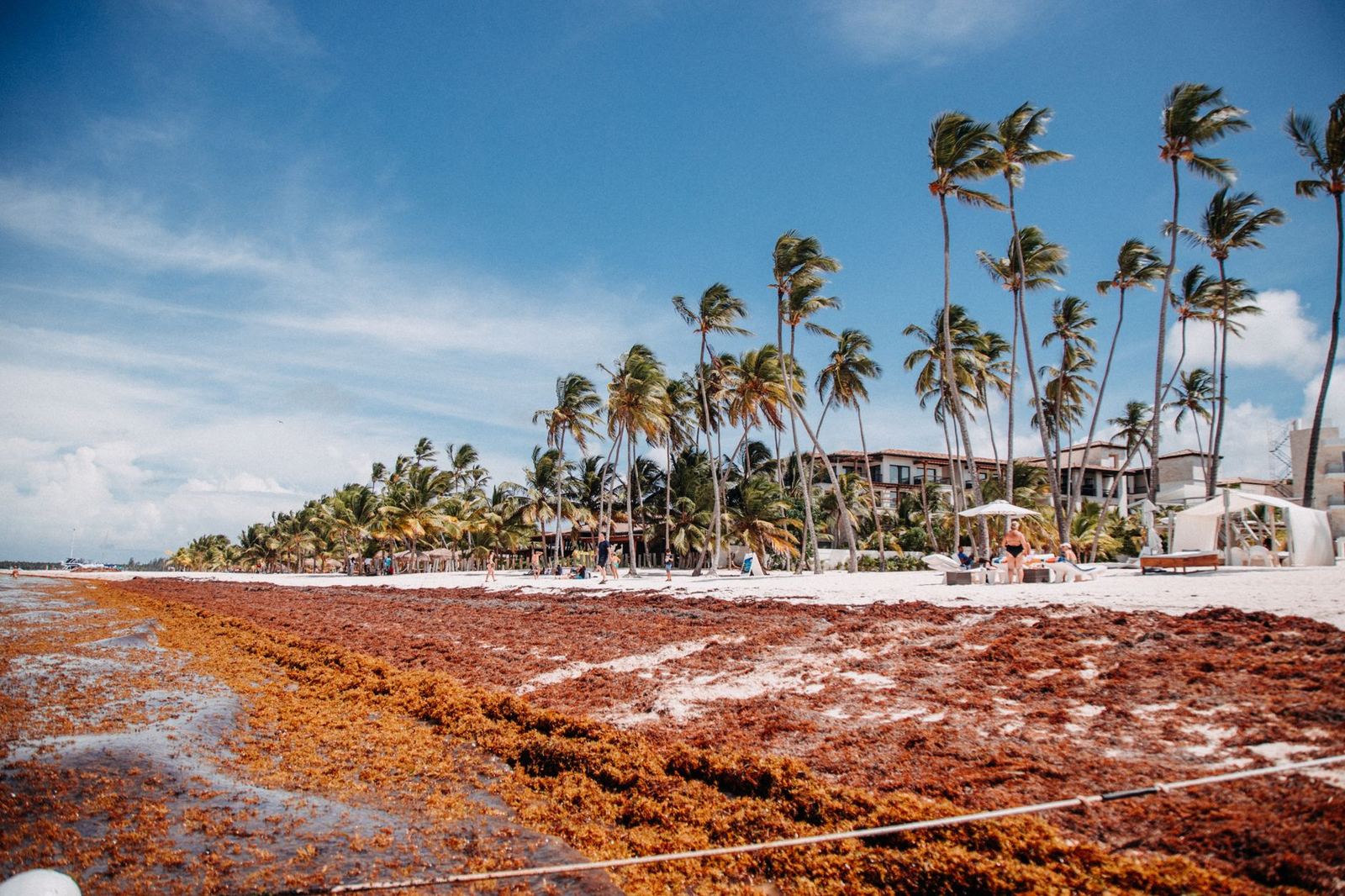
Mexico Commits Substantial Funds to Coastal Protection
Mexico has committed $115 million to address the unprecedented influx of sargassum seaweed plaguing its Caribbean shoreline. Announced on July 31st, 2026, the funding package targets the brown algae, which has reached record levels this year, causing significant disruption to the region's vital tourism sector. Coastal hotels have reportedly been forced to clean beaches themselves and implement rate reductions to attract visitors, according to reporting by Skift. While the tourism industry has acknowledged the government's financial commitment, it has also urged for a stronger emphasis on sustainable environmental strategies to manage the recurring issue over the long term. This investment follows a period where the Caribbean has seen increasing volumes of sargassum, with 2026 emerging as the most challenging year on record.
Ecological and Economic Fallout of Sargassum Blooms
Sargassum, a type of brown algae, naturally contributes to healthy marine ecosystems in moderate quantities, providing habitat for various bird and marine species in the open ocean. However, when large masses wash ashore and decompose, they release hydrogen sulphide gas, creating a distinct, unpleasant odour often compared to rotten eggs. This phenomenon deters swimmers and other recreational beachgoers, negatively affecting coastal tourism. Furthermore, the decaying seaweed can suffocate shallow coral reefs and seagrass beds, causing significant ecological damage. The proliferation of sargassum in the Caribbean region began around 2011, with volumes escalating dramatically in recent years, culminating in the severe conditions observed this year.
Government Measures and Industry Demands
The Mexican government's $115 million response will fund several key interventions designed to manage the sargassum problem directly. These measures include the deployment of specialised vessels engineered to collect the seaweed before it reaches the shore, the installation of offshore barriers to prevent its accumulation on beaches, and the implementation of advanced monitoring systems to track the algae's movement. While these operational tactics are expected to provide immediate relief, the tourism industry has voiced a need for broader, more enduring solutions. Industry stakeholders argue that while direct removal is crucial, a comprehensive approach must also address the underlying environmental factors contributing to the sargassum surge, advocating for a focus on long-term ecological fixes.
Global Implications and Relevance for Asian Markets
The escalating sargassum crisis in Mexico underscores a growing challenge for tourism-dependent coastal regions globally. The increased prevalence of sargassum is widely attributed to warmer ocean temperatures, a direct consequence of climate change, alongside heightened nutrient pollution, both of which stimulate algae growth. For Asian coastal nations, particularly those with extensive marine tourism infrastructure in areas like Southeast Asia (e.g., Thailand, Vietnam, Indonesia), Mexico's proactive, albeit reactive, investment offers a relevant case study. While sargassum is not a primary issue in most Asian waters, the broader pattern of climate-induced environmental degradation impacting tourism assets is a shared concern. Asian destinations frequently contend with parallel issues such as coral bleaching, plastic pollution, and coastal erosion. Mexico's substantial financial commitment demonstrates the imperative for governments to invest in environmental management to safeguard tourism, a lesson that holds significant weight for Asian economies reliant on their marine environments to attract international visitors. Such investments can mitigate future economic disruption and preserve natural attractions.
Get The Post.
The global travel stories that matter, three mornings a week. Free.
By subscribing you consent to receive this newsletter from GlobalTravelPost (Asia Press Centre Pte. Ltd.); unsubscribe at any time.