Delta Air Lines Faces Class Action Lawsuit Over Carbon Neutrality Claims After Federal Judge Ruling
A federal judge has permitted a class action lawsuit against Delta Air Lines to advance, challenging the airline's past claims of being "the world's first carbon-neutral airline." The ruling, issued on July 28, 2026, rejects Delta's attempt to dismiss the case, which alleges the carrier's environmental assertions were misleading, according to a report by View from the Wing.
Judge Allows Lawsuit Against Delta's Carbon Claims to Proceed
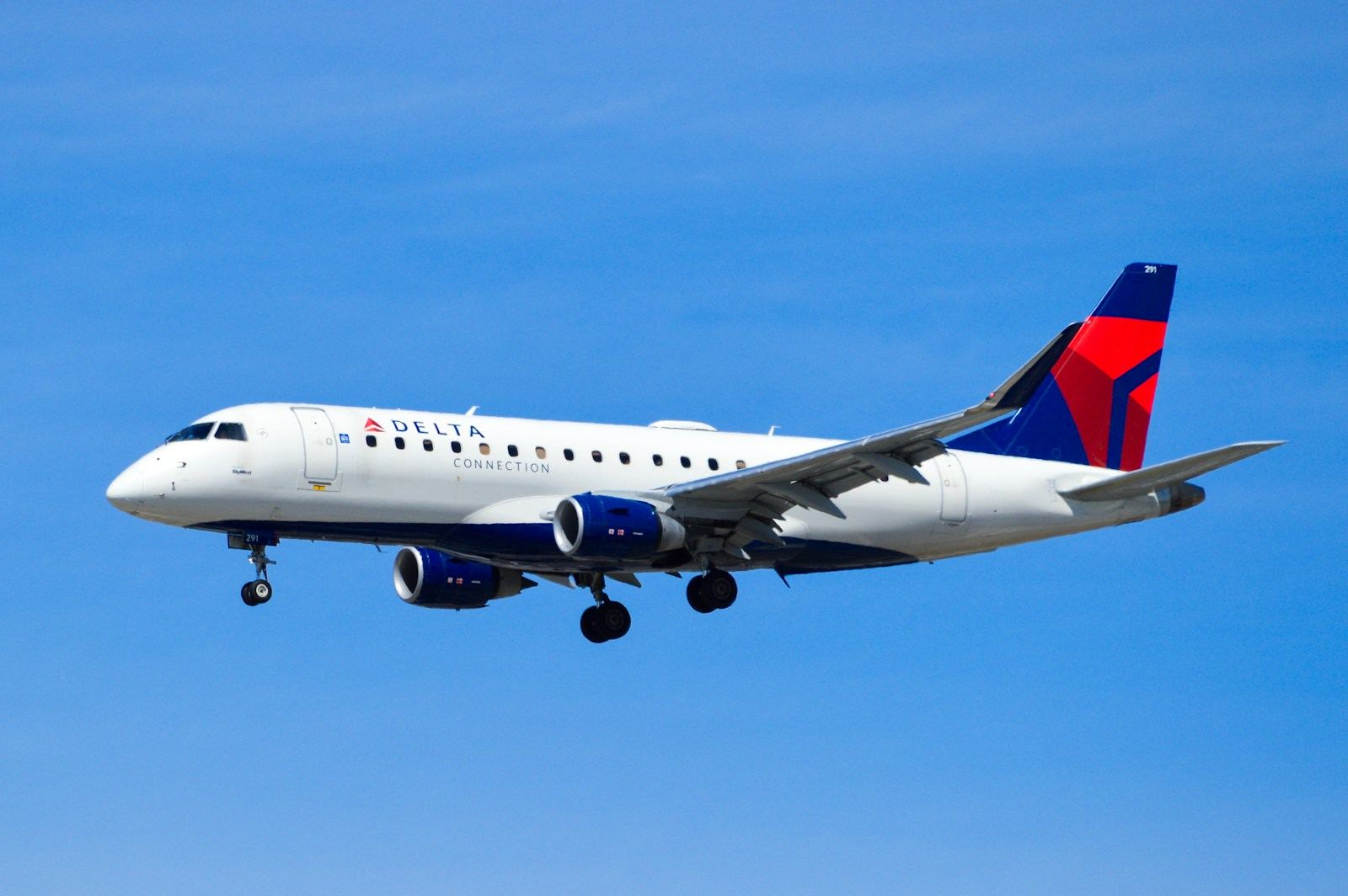
U.S. District Judge Maame Ewusi-Mensah Frimpong ruled on July 28, 2026, allowing a passenger to pursue damages in a class action lawsuit against Delta Air Lines. The legal action challenges Delta's prior declaration of being "the world's first carbon-neutral airline," despite its operations as a fossil-fuel burning carrier with an aging fleet, its ownership of an oil refinery, and an interest in a private jet company. The court's decision, as reported by View from the Wing on August 2, 2026, rejected Delta's latest attempt to halt the proceedings concerning its environmental assertions. The lawsuit, originally filed on May 30, 2023, alleges that Delta's claims were untrue. While the judge did not issue an injunction, as Delta ceased promoting itself as carbon-neutral on March 31, 2022, the ruling permits the plaintiff to try and prove that Delta violated California’s Consumers Legal Remedies Act. The lead plaintiff acknowledges Delta's current objective of reaching net-zero emissions by 2050.
Scrutiny on Delta's Carbon Offset Investments
Delta Air Lines announced in February 2020 its plan to invest $1 billion over a decade to become carbon neutral by March 1, 2020, widely publicising that it had become "the first carbon neutral airline on a global basis." This message appeared across press releases, social media, its website, a podcast, paid campaigns, and in-flight materials, as detailed by View from the Wing. The airline's strategy involved purchasing emissions reductions elsewhere to balance its jet fuel consumption. The complaint outlines plans to spend over $30 million on credits for approximately 13 million metric tons of 2020 emissions, with Delta ultimately spending more than $280 million on credits between March 2020 and March 2022. However, much of this investment is described as ineffective. The lawsuit contends that Delta's carbon credits involved problematic accounting, included preservation projects that would have occurred regardless, featured delayed emissions reductions, and involved double counting, raising questions about their legitimacy.
Problematic Carbon Credit Projects Draw National Attention
The lawsuit highlights specific issues with Delta's carbon credit portfolio, including its involvement with the Kariba project in Zimbabwe. According to View from the Wing, citing Bloomberg and The New Yorker, the project faced scrutiny over allegations of 'fake' credits and funds disappearing. The New Yorker reported an owner of a forest generating credits stating, 'I don’t know what you’re going to report on this, and I hope to God it’s not all of it, because I probably will go to jail.' These reports describe how benchmarks for deforestation were allegedly fabricated, and credits were oversold, meaning the same 'fake' credits were sold to multiple buyers. The core problem identified was that the actual rate of deforestation was lower than the project assumed, undermining the value of credits meant to prevent it. These findings show the complex and often questionable nature of certain carbon offset schemes within the environmental market.
Legal Hurdles and Future Implications for Aviation
The case hinges on whether Delta misrepresented the characteristics or quality of its service under California law. Delta argued that the Airline Deregulation Act should preempt the case, as state law cannot regulate airline rates and services. However, Judge Frimpong rejected this argument, stating that California left Delta free to choose its environmental program and viewed carbon offsets as investments distinct from the flight itself. This specific point is expected to be a key issue on appeal. View from the Wing notes a contrasting precedent in *Zajac v. United Airlines*, where a federal judge in Maryland ruled that the Airline Deregulation Act did preempt a similar greenwashing claim linked to ticket prices. Further complicating Delta's position, the lead plaintiff initially testified that carbon-neutral advertising played no role in her four ticket purchases, citing schedule, convenience, and SkyMiles as factors, though she later submitted corrections to her deposition. The proposed class includes California residents exposed to Delta's campaign from September 2020.
What This Means for Travellers and the Travel Industry
The progression of this lawsuit shows increasing scrutiny on environmental claims made by major corporations, particularly within the aviation sector. For the travel industry, this case could establish a significant precedent regarding liability for 'greenwashing' and the accuracy of sustainability marketing. Airlines and other travel companies may face greater pressure to ensure their environmental assertions are verifiable and transparent, moving beyond broad statements to concrete, auditable actions. This could drive changes in how sustainability initiatives are structured and communicated, potentially influencing investment in genuine emissions reduction technologies versus reliance on carbon offsets. Travellers, in turn, may observe more substantiated environmental information from airlines, allowing for more informed decisions based on genuine ecological impact rather than marketing puffery. The ongoing legal process, especially the expected appeal, will be crucial in defining the boundaries of environmental marketing and consumer protection in air travel.
Get The Post.
The global travel stories that matter, three mornings a week. Free.
By subscribing you consent to receive this newsletter from GlobalTravelPost (Asia Press Centre Pte. Ltd.); unsubscribe at any time.
Related stories.

A Trailblazer at the Helm: Frasers Hospitality Names Thuy Nguyen to Lead Its North Vietnam Growth
Boeing 777-9 and Airbus A350-1000 Define 2030s Long-Haul Market Competition