China's RV Tourism Surge Challenges Hotel Sector
China's growing recreational vehicle (RV) market is impacting traditional hotels, particularly during peak travel periods. Government policies support RV infrastructure expansion, leading to increased mobile accommodation choices for travellers.
Hotel Sector Pressures Mount
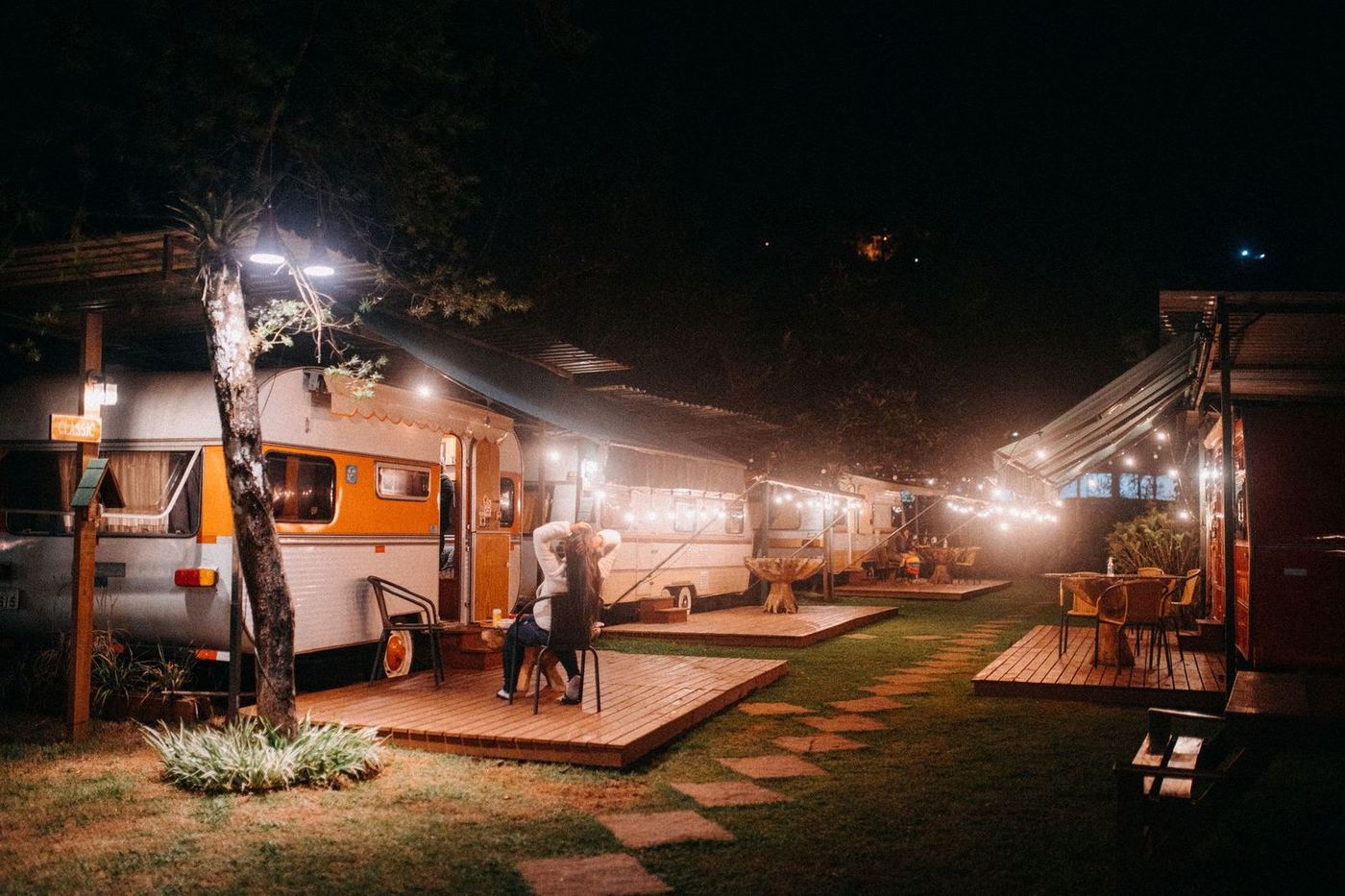
China's expanding recreational vehicle (RV) tourism market presents challenges for traditional hotels. Operators report declining customer numbers. Pricing pressure has also become evident, particularly during peak travel seasons. A mid-range hotel operator in Guizhou Province noted a nearly 20% drop in customer sources. This occurred during the peak summer vacation season.
Many families now choose to integrate transport and accommodation directly within their vehicles. This trend leads to higher hotel vacancy rates. It also prevents room prices from rising. Hotels thus face a situation where peak seasons no longer guarantee high demand. Previously, hotel practitioners focused on pricing and occupancy strategies.
They also studied marketing within a three-kilometre radius. These mobile accommodations have altered their competitive landscape.
Government Policies Boost RV Sector
The Chinese government actively supports RV consumption and infrastructure development. Gu Kewei, an official from the Ministry of Culture and Tourism's Department of Industrial Development, confirmed this. Speaking on August 18, 2026, he outlined future policy directions. The Ministry will work with other departments.
They will formulate measures to optimise natural resource allocation. This aims to promote standardised tourism industry development. Boosting RV consumption is a key objective. Research will also promote integrated development. This covers culture, tourism, commerce, and sports sectors. The Ministry plans to establish national cultural and tourism industry development zones.
These zones will set exemplary standards. They will also improve cultural and tourism offerings. Further support comes from a June 2026 notice. This document fosters automotive aftermarket consumption. It mandates building more RV camps. It also supports optimising road management policies for RVs. Additionally, it streamlines land use approvals for camps. Public parking lots will gain dedicated RV spaces.
Dual Impact on Hotel Operations
The rise of RV travel presents both positive and negative implications for hotels. A positive aspect involves the expansion of standardised RV camps. These new facilities will reduce the informal exploitation of hotel resources. Previously, many RV owners parked randomly. They used hotel water and electricity without charge.
Hotels often functioned as unintended free supply stations. This consumed staff time and resources needlessly. With more professional supporting facilities, this burden will shift. Hotels can then shed these uncompensated public service demands. This development addresses a long-standing frustration for some operators. However, the negative impact is significant.
As more people travel by RV, fewer choose hotel stays. The overall travel market size remains fixed. An increasing number of RVs directly correlates with more vacant rooms in traditional hotels. This trend poses a direct competitive threat to established accommodation providers.
RV Market Growth and Accessibility
China's RV market shows substantial growth. In the first half of 2026, 12,153 self-propelled RVs were registered. This marks a 32.6% increase year-on-year. Self-propelled caravans accounted for 6,838 registrations, up 15.3%. Camping vehicles saw 5,315 registrations, a 64.2% rise. Industry projections suggest a record high for total annual registrations in 2026.
China's RV fleet is expected to reach 300,000 by year-end. The nation is now Asia's largest RV market. It ranks as the world's third largest RV manufacturing country. The entire industrial chain exceeds 100 billion yuan in market size. Entry-level RVs and new energy camping vehicles are now widely available. Their pricing lowers the purchase threshold.
RVs are transitioning from niche items to mainstream family travel options. The number of RV camps and service points also continues to increase. The Ministry of Culture and Tourism noted this trend as early as 2025.
Industry Outlook
China's travel landscape is clearly evolving. The rapid expansion of RV tourism demands adaptation from traditional accommodation providers. Hotels must consider new strategies. These could include partnerships with RV camps or developing new service models. They might also target specific traveller segments less inclined towards mobile lodging.
The shift in consumer preference away from traditional stays is concrete. Operators must monitor this trend closely. Continued government support and ongoing market growth suggest further RV tourism expansion. This requires strategic adjustments across the hospitality sector. Innovation in service offerings and pricing structures will be crucial.
Hotels might explore hybrid models or specialised services catering to RV travellers. Maintaining market relevance and profitability depends on responding effectively to these changing dynamics. The industry must prepare for sustained competition from mobile accommodation.
Get The Post.
The global travel stories that matter, three mornings a week. Free.