Dubai Resident Incentive Targets Middle East Travel Fears, Shows Regional Tourism Resilience
Dubai has launched an incentive scheme offering residents benefits worth US$817 to invite overseas friends and family, aiming to counter negative travel perceptions of the Middle East. This initiative, detailed by eTurboNews on July 23, 2026, highlights how personal trust may be key to restoring travel confidence amidst geopolitical headlines.
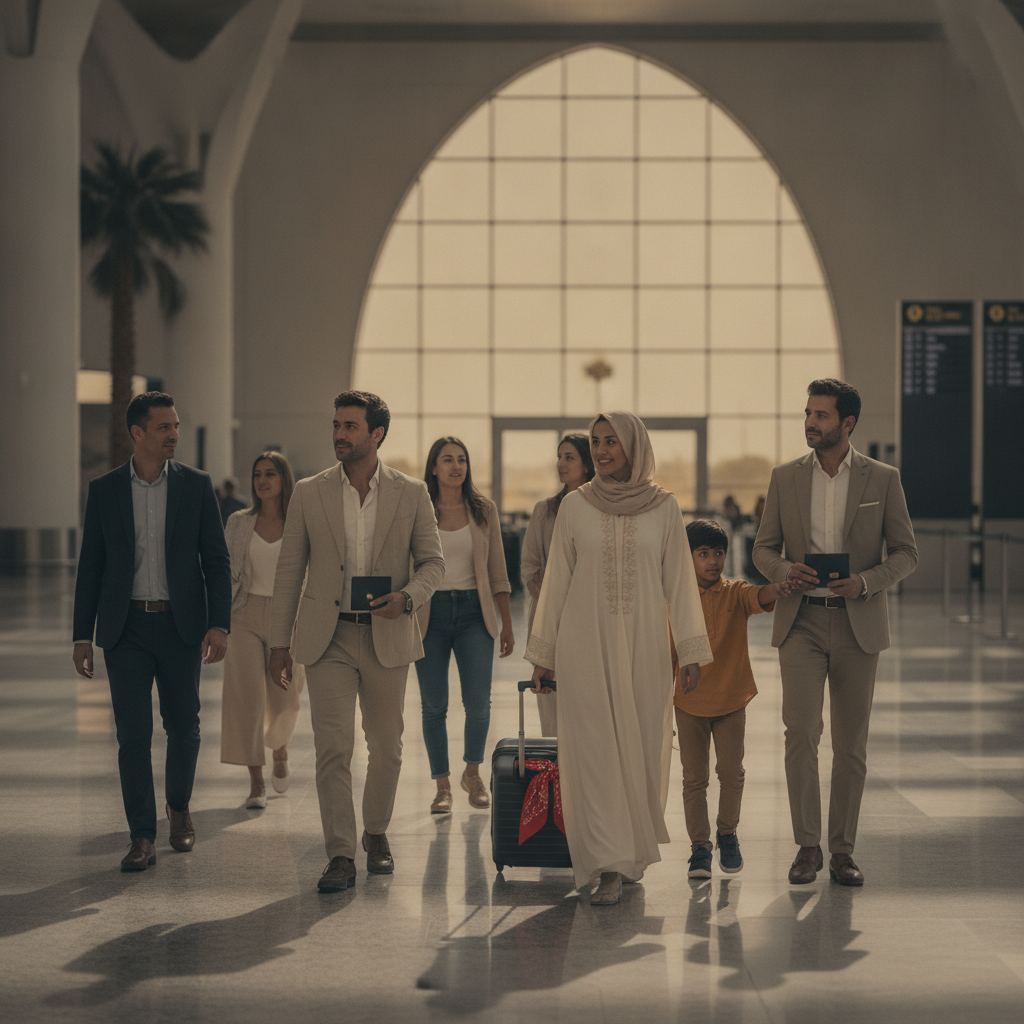
Perception Versus Reality in Middle East Travel
Ongoing geopolitical tensions, including a continuing conflict between the United States and Iran, often portray the entire Middle East as unstable, influencing global travel advisories. For instance, the U.S. State Department recently issued a worldwide travel caution advising increased vigilance for Americans abroad. This broad guidance, as reported by eTurboNews on July 23, 2026, can lead travellers to cancel trips across the region, regardless of specific destination safety. Despite these advisories, major hubs like Dubai International Airport and Doha continue to operate with high traffic, while hotels, restaurants, and attractions across the UAE and Jordan remain active.
Dubai's Trust-Based Marketing Approach
To counter the impact of fear on tourism, Dubai has introduced the “A Dubai Invite” campaign. This programme rewards UAE citizens and residents who invite international friends and relatives to visit the emirate with benefits valued at over AED 3,000 (approximately US$817). These incentives cover hotel stays, dining, attractions, and transport. According to eTurboNews, this strategy leverages personal trust, recognising that recommendations from friends and family living in a destination are often more persuasive than traditional advertising or influencer endorsements in reassuring potential visitors about local conditions.
Broader Implications for Regional Tourism
The Dubai initiative demonstrates a shift towards utilising local populations as authentic ambassadors, a concept relevant for other Middle Eastern destinations. While not all countries possess Dubai's financial scale to offer similar monetary incentives, the principle of building tourism on personal connections remains vital. Jordan, for example, has historically cultivated global friendships through its hospitality and cultural sites like Petra and the Dead Sea. The eTurboNews analysis suggests that focusing on these existing relationships can help destinations rebuild confidence and attract visitors, proving more effective than conventional marketing in a climate of widespread travel apprehension.
Outlook: Rebuilding Confidence Through Community
This resident-led marketing model could serve as a blueprint for the wider Middle East travel industry. By empowering residents to vouch for their destinations, the sector can directly address traveller concerns about safety and stability, which are often inflated by media headlines. For travellers, this means a more direct and reliable source of information about ground realities. For the industry, it presents a cost-effective and credible method to encourage visits, potentially driving a faster recovery and sustained growth in visitor numbers across the region by focusing on genuine, peer-to-peer reassurance.
Get The Post.
The global travel stories that matter, three mornings a week. Free.
By subscribing you consent to receive this newsletter from GlobalTravelPost (Asia Press Centre Group); unsubscribe at any time.