Emirates' A380 Short-Route Strategy Reveals Unique Profitability Model
Emirates continues to deploy Airbus A380 aircraft on short regional flights, a practice that contrasts with the industry trend of using smaller, more fuel-efficient planes. This strategy, detailed by Simple Flying on July 24, 2026, forms a core element of the airline's extensively optimised network, enabling the superjumbo to operate profitably where other carriers use narrowbodies.
Emirates' Counter-Intuitive Fleet Deployment
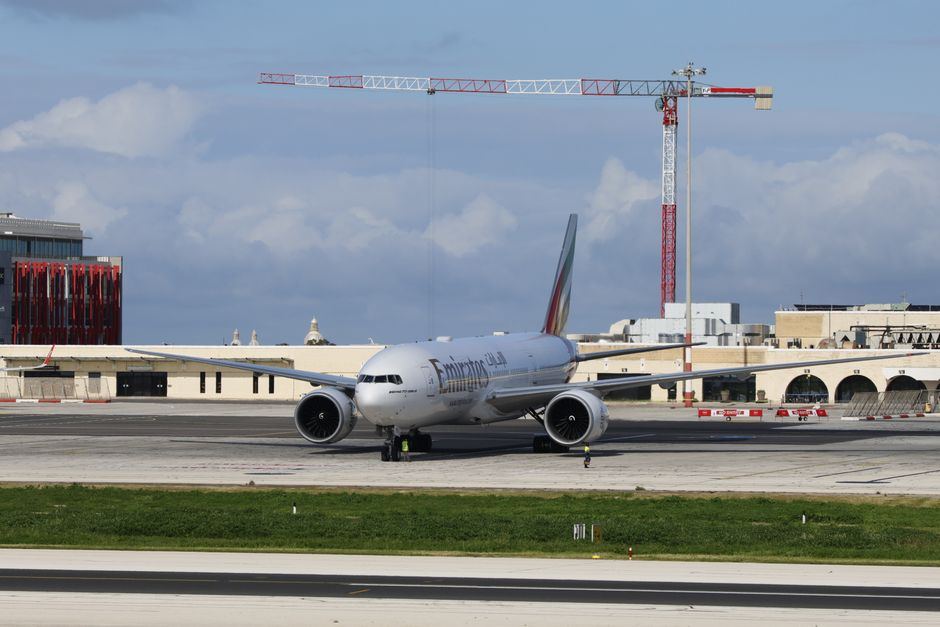
Emirates continues to operate Airbus A380 aircraft on short regional routes, a strategy that appears counter-intuitive to contemporary fleet planning. While most airlines have retired large quad-jets in favour of smaller twin-engine widebodies and single-aisle aircraft, the Dubai-based carrier maintains its commitment to the superjumbo. This approach, observed as of July 24, 2026, forms a core part of an extensively optimised network strategy, rather than a financial miscalculation, according to Simple Flying. The airline uses these large aircraft for brief regional flights, a role typically assigned to smaller planes by other carriers.
Economics of Scale Drive A380 Efficiency
The profitability of these short A380 sectors stems from an economy of scale unique to Emirates' operations. A standard modern narrowbody jet consumes approximately 2.4 tonnes of aviation fuel per hour, whereas an Airbus A380 burns around 15.4 tonnes in the same timeframe. Despite this higher trip cost, aviation economic data shows that unit cost efficiency improves significantly when airlines consistently achieve very high passenger loads. By distributing fixed costs, such as landing fees, heavy maintenance, and crew salaries, across more than 500 available seats, the cost per seat-mile can fall below that of a smaller jet, especially where regional consumer demand is consistently strong.
Hub-and-Spoke Model and Sixth Freedom Traffic
Emirates' hub-and-spoke model, centred at Dubai International Airport, is crucial to this strategy. Unlike regional low-cost carriers that rely on local point-to-point traffic, Emirates uses short regional flights as vital channels to collect passengers for its extensive intercontinental network. The airline leverages sixth freedom traffic rights, aggregating travellers from numerous international origins onto coordinated departure banks. For example, a high-yield premium airfare paid for an entire intercontinental trip from New York helps subsidise the operational costs of the larger aircraft on the final short leg, demonstrating the interconnected value within the network.
Implications for Industry and Travellers
This integrated network approach provides Emirates with a structural advantage, protecting it from the typical volatility of local regional demand. While competing carriers, including those with similar business models like Qatar Airways and Etihad Airways, may need to reduce ticket prices to fill narrowbody cabins during off-peak seasons, Emirates populates its double-decker aircraft with high-paying international transit passengers. This means the commercial value of these flights is derived from global network connectivity, rather than depending solely on local ticket sales, allowing the carrier to maintain high load factors and profitability on routes where others use smaller aircraft.
Get The Post.
The global travel stories that matter, three mornings a week. Free.
By subscribing you consent to receive this newsletter from GlobalTravelPost (Asia Press Centre Group); unsubscribe at any time.