Myanmar and Laos Reopen Strategic Mekong Border Crossing
Myanmar and Lao PDR have officially reopened the Wanpong–Meunghmom border crossing on the Mekong River. This vital route, connecting eastern Shan State to Luang Namtha Province, resumed operations on July 16 after a nearly six-year closure. The move follows recent high-level bilateral discussions aimed at strengthening regional ties.
Key Mekong Crossing Reinstated
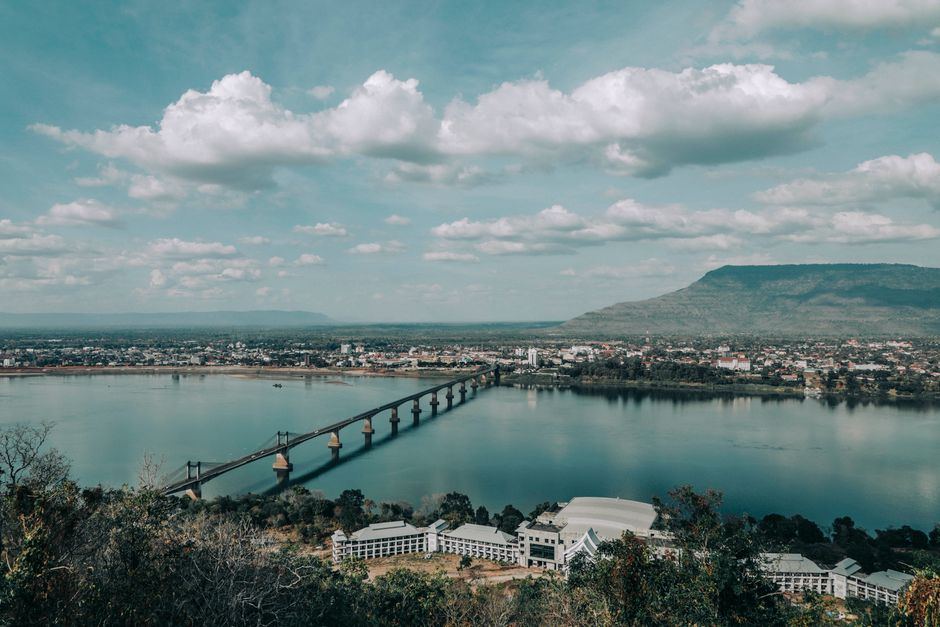
Myanmar and Lao PDR have reinstated cross-river border transport along the Mekong River. The Wanpong–Meunghmom crossing, a crucial transit point, reopened on July 16. This follows a closure of nearly six years, initially due to COVID-19 pandemic restrictions. The crossing links Tachileik District in Myanmar's eastern Shan State to Luang Namtha Province in Laos. The resumption of services comes after a bilateral visit by Myanmar's junta leader, Min Aung Hlaing, to Laos earlier this month. The official reopening aims to foster closer regional ties and facilitate regulated cross-border movement between the two nations. This route serves as a primary gateway for both trade and passenger traffic in eastern Shan State.
New Procedures for Cross-Border Travel
During the prolonged closure, travellers and migrant workers relied on unauthorised motorboat operators. These illegal crossings reportedly cost between 100 and 200 Chinese RMB, equating to approximately $14 to $28 USD per trip. Under the newly established procedures, Myanmar nationals holding a National Identification Card (NIC) or Unique Identification Document (UID) smart card can now obtain a Temporary Border Pass (TBP). This pass is available at the Wanpong jetty for a fee of 1,000 Myanmar Kyat, which is less than $0.50 USD. Travellers departing Wanpong must clear immigration upon arrival at the Meunghmom jetty in Lao PDR. A Tachileik resident noted that the reopening allows legal travel for those with identification. On the first day of operations, five Myanmar nationals were issued passes and crossed into Lao PDR. Authorities have not yet clarified if international passport holders may use this river crossing.
Broader Bilateral and Economic Implications
The reopening of the Wanpong–Meunghmom crossing is part of broader bilateral discussions between Myanmar and Laos. During Min Aung Hlaing's July 3–5 visit, the two nations signed an agreement to develop a 2,790-megawatt hydropower project. This project will span a 150-mile stretch of the Mekong River. Additionally, labour ministers from both countries met to discuss issuing Certificates of Identity (CI) to an estimated 60,000 undocumented Myanmar migrants working in Lao PDR. This initiative aims to protect their rights and formalise their employment status. The Wanpong crossing functions similarly to the high-traffic Mae Sai–Tachileik checkpoint on the Thai-Myanmar border, underscoring its importance for regional connectivity and economic activity in eastern Shan State.
Outlook for Regional Travel and Trade
The restoration of this Mekong River crossing marks a significant step towards normalising cross-border activities between Myanmar and Laos. For local travellers and migrant workers, it offers a safer, more affordable, and legal route for movement, replacing informal and costly alternatives. This formalisation can reduce risks associated with unregulated travel. For regional trade, the reopening facilitates legitimate commerce, potentially boosting economic activity in eastern Shan State and Luang Namtha Province. While the immediate impact for international tourists remains unclear due to unresolved rules for passport holders, this development demonstrates a commitment to enhanced regional connectivity in Southeast Asia. This aligns with broader efforts across the APAC region to rebuild and formalise travel infrastructure following the pandemic era.
Get The Post.
The global travel stories that matter, three mornings a week. Free.
By subscribing you consent to receive this newsletter from GlobalTravelPost (Asia Press Centre Group); unsubscribe at any time.