American Airlines Dreamliner Window Malfunction Prompts Paper Fix on Rome Flight
American Airlines flight attendants used paper to block sunlight on a recent New York-Rome flight after an electronic window shade on a Boeing 787-9 Dreamliner failed. This incident highlights ongoing operational challenges with the aircraft's dimmable windows and broader airline maintenance concerns for carriers globally.
In-Flight Solution for Failed Window Shade
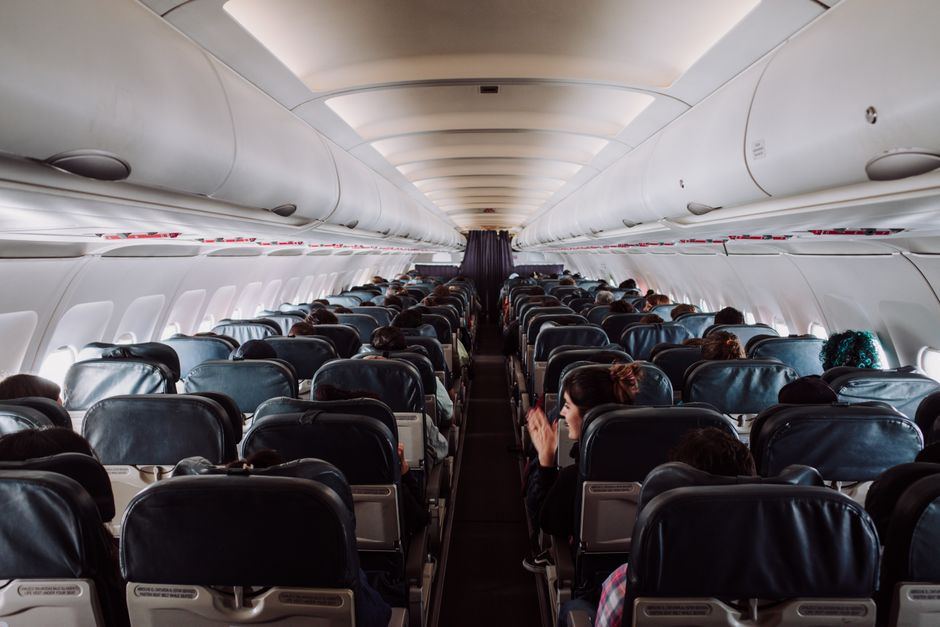
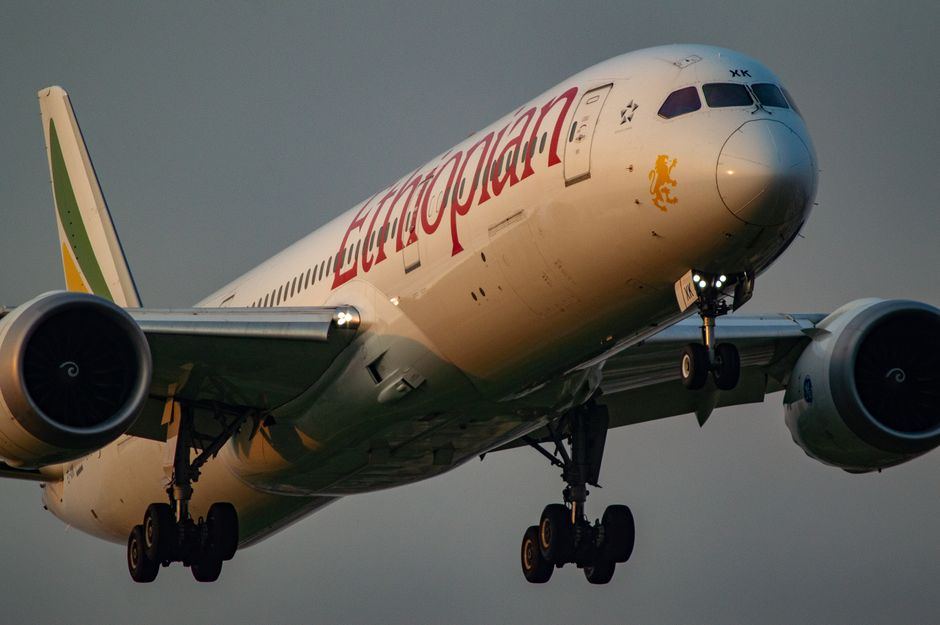
American Airlines flight attendants recently improvised a solution for a malfunctioning window on a transatlantic service. On July 23, 2026, during an overnight flight from New York JFK to Rome, an eight-year-old Boeing 787-9 Dreamliner experienced an electronic window shade failure. The shade in the Premium Economy cabin remained transparent despite passenger attempts to darken it. As the sun rose early along the flight's northerly path, light flooded the cabin. This significantly disturbed passengers attempting to rest during the seven-and-a-half-hour red-eye. Cabin crew addressed the issue by affixing thin sheets of paper over the affected window. This temporary measure did not fully cover the entire pane. The incident underscores ongoing challenges with onboard equipment reliability and passenger comfort expectations for a major international carrier.
Boeing 787 Window Technology Under Scrutiny
The Boeing 787 Dreamliner's electronically dimmable windows represented an innovation upon the aircraft's 2009 debut. Instead of traditional pull-down shades, these windows darken via an electrical current activating a special gel between glass panes. This design choice has, however, generated frequent flyer complaints regarding its overall effectiveness. Boeing acknowledges that these dimmable windows can fail periodically. The manufacturer consequently supplies airlines with rubber stick-on shades for quick application to broken units. For reasons currently unknown, these purpose-designed shades were not available to crew on the American Airlines flight. This omission raises questions about onboard maintenance preparedness and the accessibility of spare parts for critical cabin components.
Wider Operational Reliability Concerns
This event adds to American Airlines' perceived issues with aircraft cabin condition. Reports from passengers frequently cite cosmetic problems like broken tray tables, non-reclining seats, and non-functioning in-flight entertainment systems. Such consistent issues can detract significantly from a carrier's claims of offering a premium service. A similar, more widespread incident occurred in April 2025 on a British Airways 787 operating an ultra-long-haul flight from Tokyo to London. All window shades on one side of that aircraft failed simultaneously. Engineers in Tokyo could not fix the problem before the scheduled departure. Ground staff also resorted to using paper to cover every single window for the entire 14-hour daytime flight. Rival manufacturer Airbus initially opted for manual shades on its A350 widebody jet. However, dimmable windows are now offered as an optional feature for airlines choosing this model.
Implications for Global Carriers and Travellers
Operational glitches like this American Airlines incident directly affect passenger comfort and an airline's brand reputation. For global carriers, especially those operating long-haul routes with Boeing 787s, consistent maintenance and readily available spare parts are paramount. Asian airlines, including major operators like ANA, JAL, Singapore Airlines, Hainan Airlines, and Air India, also fly Dreamliners extensively across their networks. They face similar challenges in managing cabin systems across diverse geographies and time zones. Travellers on these routes expect fully functional amenities, particularly when flying in premium cabins. Airlines must ensure robust solutions are onboard for equipment failures to prevent passenger disruption. This is vital to uphold service standards across all markets, including the highly competitive Asian long-haul sector, where passenger loyalty is often tied to reliability.
Get The Post.
The global travel stories that matter, three mornings a week. Free.
By subscribing you consent to receive this newsletter from GlobalTravelPost (Asia Press Centre Group); unsubscribe at any time.