Boeing 737 MAX 7 Nears FAA Certification; Southwest Airlines Fleet Renewal Hinges on Approval
The Boeing 737 MAX 7 aircraft is reportedly close to receiving final certification from the US Federal Aviation Administration (FAA) by late July 2026. This approval is crucial for Southwest Airlines, which plans to modernise its single-type fleet with 314 MAX 7 aircraft.
Certification Milestone Approaches for Boeing
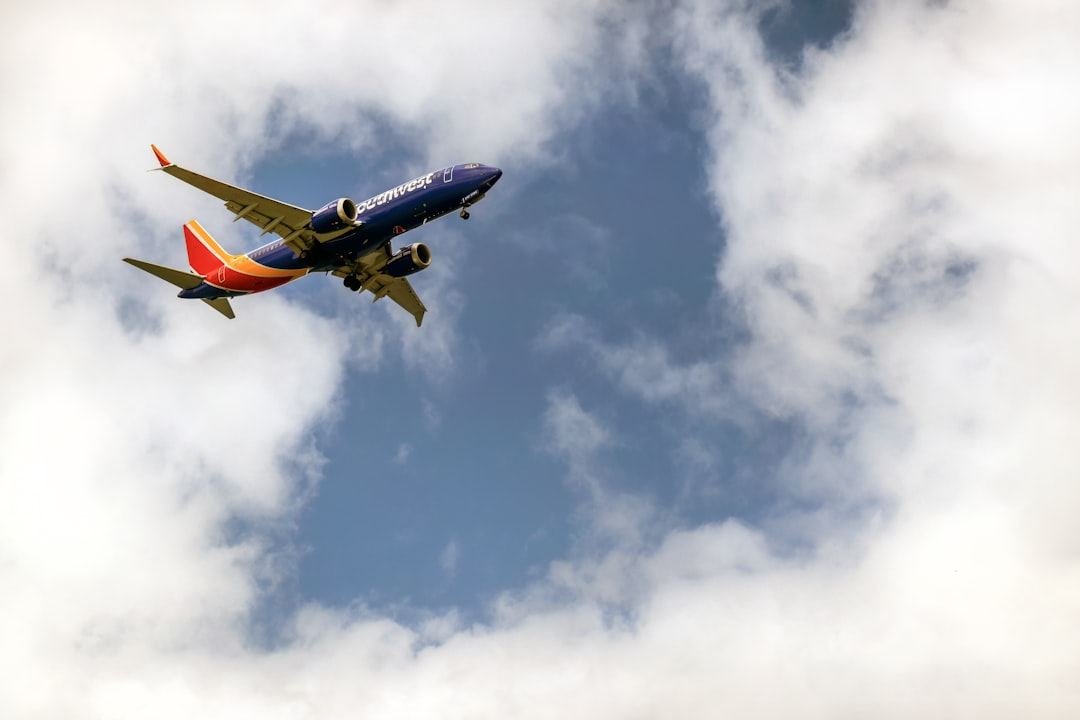
The Boeing 737 MAX 7 is reportedly nearing final certification from the US Federal Aviation Administration (FAA). Industry reports, as cited by Simple Flying, suggest approval could arrive in late July 2026. This development concludes a prolonged regulatory process for the aircraft type. While a significant step for Boeing, the certification holds even greater importance for Southwest Airlines. The carrier has 314 MAX 7s on order, essential for replacing its ageing Boeing 737-700 fleet. Southwest anticipates the MAX 7 will enter passenger service during the first quarter of 2027. The airline previously considered the Airbus A220 but chose to maintain its single-fleet Boeing operating model. Its long-term objective is to become an all-MAX airline by 2031.
Southwest's Fleet Modernisation Strategy
Southwest Airlines' business model relies on operating a single aircraft family. This strategy has made the carrier particularly sensitive to the MAX 7 delays. As of early 2026, Southwest operates 305 Boeing 737-700s, 198 737-800s, and 300 737 MAX 8s. The airline committed to the MAX 7 in 2021, initially ordering 100 aircraft with first deliveries planned for 2022. This commitment has since grown to 314 MAX 7s. Repeated certification delays have compelled Southwest to extend the service life of its 737-700s, increasing maintenance demands. The inability to introduce an alternative aircraft type has made the MAX 7 central to Southwest’s long-term operational planning.
Overcoming Regulatory Hurdles
Certification for the Boeing 737 MAX 7 and MAX 10 has fallen several years behind schedule. This delay allowed Airbus to strengthen its narrowbody market position. The more stringent certification process, implemented after the two fatal 737 MAX 8 crashes in 2018 and 2019, caused these setbacks. Regulatory scrutiny intensified further following the January 2024 in-flight cabin panel blowout on an Alaska Airlines-operated 737 MAX 9. This incident prompted closer oversight of Boeing's design, production, and quality control. The engine anti-ice system became the primary certification challenge in 2021. Boeing completed the redesign, and the MAX 7 flight test campaign is over 80% finished, including the final phases. The revised system also reduces engine noise.
Operational Impact and Global Outlook
FAA certification will remove the final regulatory barrier before customer deliveries commence. Southwest Airlines does not expect to introduce the MAX 7 for passenger service until at least six months post-certification. However, approval will allow deliveries to begin, restarting the airline's critical fleet renewal programme. The MAX 7 is projected to form the backbone of Southwest's domestic network over the next decade. Replacing its oldest 737-700s, many operating beyond their intended retirement dates, remains a top strategic priority. For Asian markets, while the immediate impact is limited to the US, Boeing's ability to clear certification backlogs for its MAX variants affects global fleet planning. Asian carriers operating 737 fleets observe these developments closely, as they influence future aircraft availability and market dynamics between Boeing and Airbus. Delays on one continent can shift delivery slots or pricing for airlines elsewhere, including in Asia.
Get The Post.
The global travel stories that matter, three mornings a week. Free.
By subscribing you consent to receive this newsletter from GlobalTravelPost (Asia Press Centre Group); unsubscribe at any time.