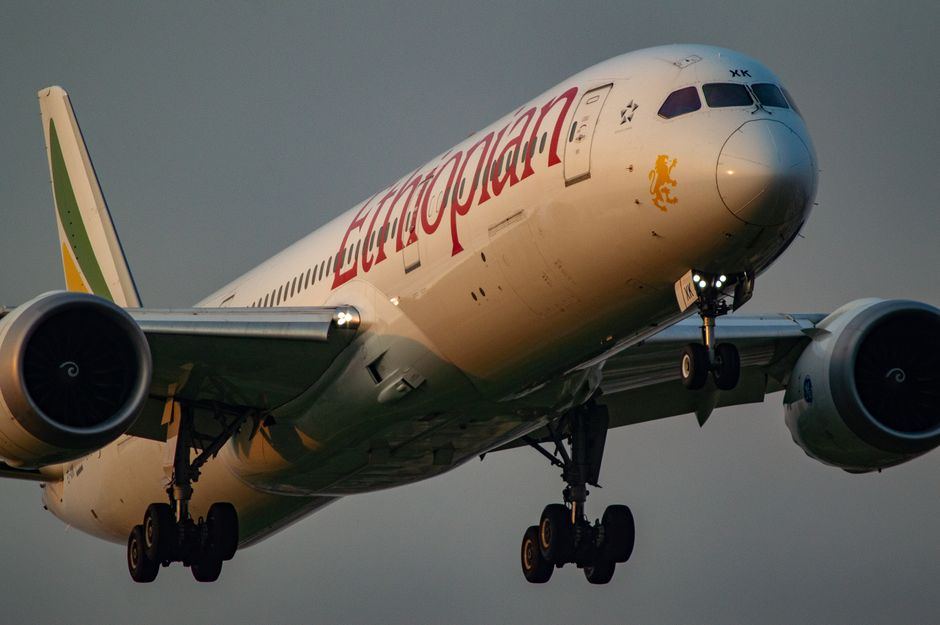
Aviation Experts Debate Aircraft Window Shade Protocol, Condé Nast Traveler Reports
A long-standing debate over who controls aircraft window shades, particularly on extended flights, continues. Aviation analysts and travel writers offer varied perspectives on passenger rights and responsibilities, according to Condé Nast Traveler.
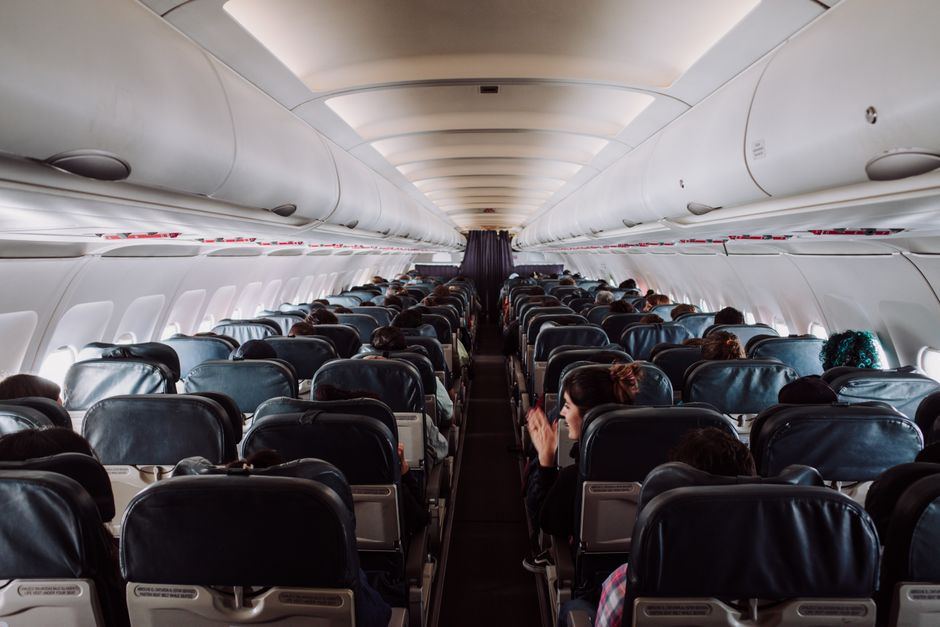
Aircraft Window Shade Etiquette Sparks Debate
The question of who controls an aircraft window shade remains a persistent point of contention among travellers. This issue is particularly acute on long-haul services, where cabin conditions significantly affect passenger comfort. Condé Nast Traveler recently explored these unwritten rules, gathering insights from aviation experts and travel writers. While a window seat typically grants control, this privilege carries associated responsibilities. The discussion highlights the impact of shade position on sleep patterns, mood, and the overall cabin atmosphere. Unlike seat recline or armrest use, window shade etiquette often lacks clear, agreed-upon guidelines. The resulting uncertainty can lead to immediate and strong reactions among those affected.
Control and Responsibility on Long-Haul Routes
Aviation analyst Gary Leff states that window control belongs to the adjacent seat holder. He emphasises that this control demands significant responsibility, especially during overnight flights. Leff asserts that on services where the cabin is darkened and external light is bright, shades should remain closed. This prevents light from disturbing sleeping passengers and disrupting the carefully calibrated cabin ambience. Brief glances outside for orientation or reassurance are acceptable, but they should be momentary. Cabin crew instructions supersede all passenger preferences; they can mandate shades open or closed. For instance, shades often remain open during take-off and landing for emergency visibility and eye adjustment.
Conflicting Views on Cabin Environment
The situation becomes less clear with windows positioned between two seats. Leff suggests a default-closed policy for these ambiguous areas, requiring mutual agreement for any adjustment. However, not all experts share this view. Travel writer Keith Jenkins questions why a passenger would book a window seat without intending to view outside. He enjoys observing coastlines, cloud formations, and city lights, even during extended flights. Jenkins reports occasionally lifting the shade for a quick look before closing it again as a courtesy. Luxury travel writer Andy McFarlane takes a pragmatic approach. He will gently close a disruptive shade if the passenger in front is sleeping, prepared to explain his actions if challenged. He believes politeness and tone are more crucial than rigid rules.
The Clash of Travel Philosophies
This debate ultimately reflects differing philosophies of air travel. For frequent flyers, a flight often represents 'dead time' for work or sleep, aiming to minimise the journey itself. For others, the flight remains an experience to be observed and appreciated. Former airline executive David Cochrane recalled an incident where a business class passenger kept their shade fully open for hours. This occurred despite direct sunlight impacting another passenger and multiple requests via cabin crew. The passenger maintained their absolute right to control the window, demonstrating a lack of negotiation. Acceptable scenarios for closing a shade include intrusive light in a dark cabin, preventing sleep disruption, managing shared windows, or making a gentle adjustment with awareness of potential objection. Uninterrupted sleep often holds as much value as an external view for many passengers.
Implications for Global Air Travel, Including Asia
This ongoing discussion about window shade etiquette holds relevance for travellers and airlines globally. As long-haul routes, including those connecting to and from Asian hubs, continue to expand, passenger comfort remains paramount. While no specific Asian airlines or policies are detailed in this report, the principles of cabin harmony and individual responsibility apply universally. Asian carriers, known for their service standards, often manage cabin environments carefully. Passengers flying on routes across time zones, such as those between Europe and Southeast Asia or North America and East Asia, frequently prioritise sleep. This debate highlights the need for clearer communication or more flexible cabin management systems to balance individual preferences with collective well-being. Travellers should anticipate varied approaches and be prepared for polite negotiation when navigating these unwritten rules across different airlines and regions.
Get The Post.
The global travel stories that matter, three mornings a week. Free.
By subscribing you consent to receive this newsletter from GlobalTravelPost (Asia Press Centre Group); unsubscribe at any time.