Nagahama Revives City Centre with Glassmaking Identity
Nagahama, a historic city near Kyoto, revitalised its struggling city centre by adopting an artisanal glassmaking identity, attracting tourists back from 1989.
Nagahama's Historic Centre Faced Decline
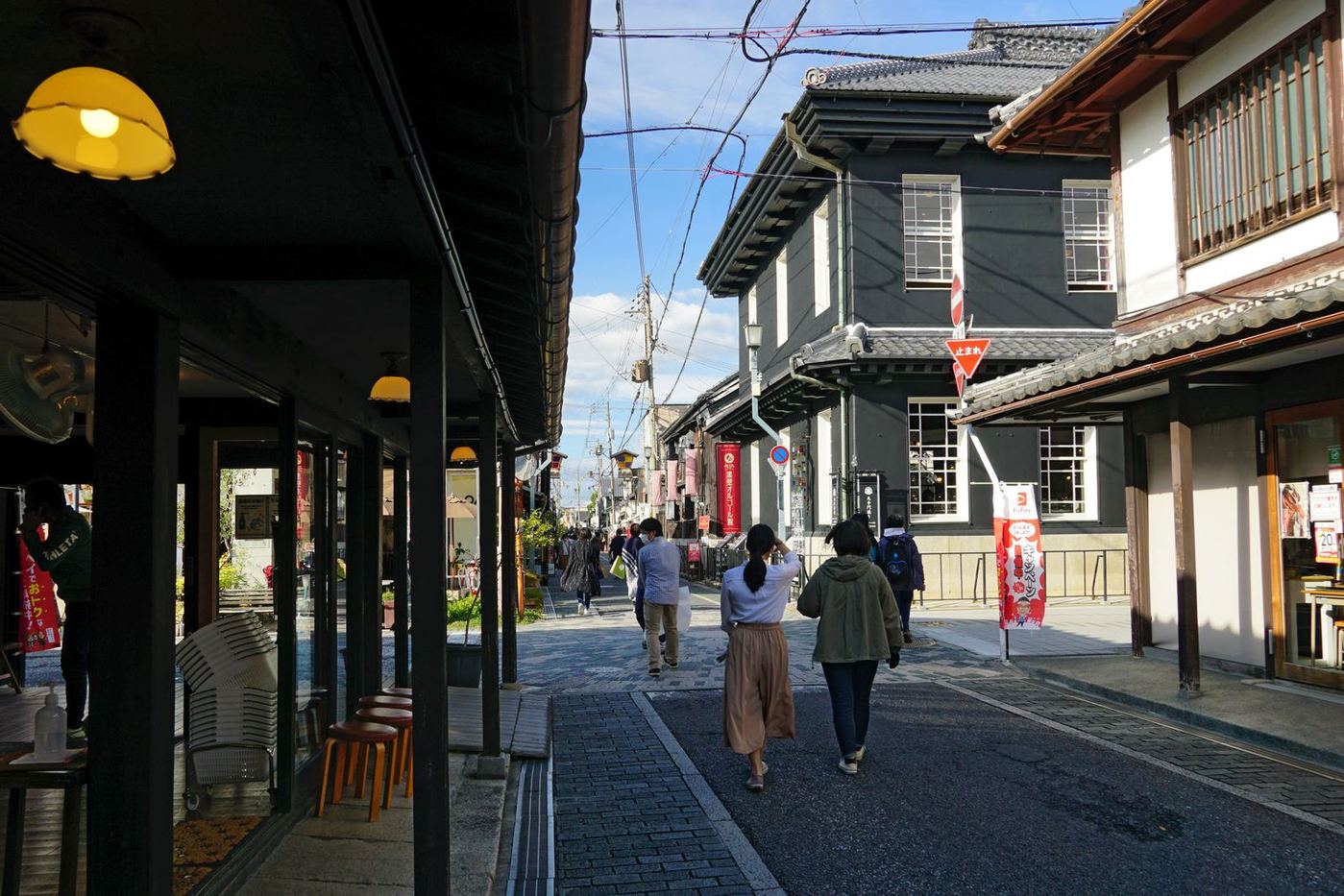
Nagahama, a historic lakeside city in Japan's Shiga Prefecture, located approximately 40 minutes from Kyoto on the northern shores of Lake Biwa, once thrived as a merchant hub. In the 1600s, under the leadership of feudal lord Hideyoshi Toyotomi, the city gained prominence as a trade centre, known for its textiles, kimono production, and a significant gun manufacturing industry.
However, by the 1960s and 1970s, the emergence of shopping malls and department stores outside the city centre led to a steady decline in its traditional shotengai, or shopping streets.
Visitor numbers plummeted from 150,000 to just 4,000 per month by 1988, leaving the streets deserted and prompting discussions about demolishing the historic Kurokabe building, a former bank nicknamed for its black-plastered walls.
Kurokabe Corporation Pioneered Glass Art Revival
To safeguard the iconic Kurokabe building and rejuvenate the city centre, Nagahama City Hall officials collaborated with local business leaders to establish Kurokabe Corporation in 1988. The new entity aimed to integrate culture, arts, history, and international appeal into its business model.
While initial proposals included a kimono exhibition hall or a hotel, Sadao Hase, the corporation's president at the time, suggested a novel approach: transforming Kurokabe into an artisanal glassware workshop and retail venue. Hase, whose family business was in textiles, drew inspiration from glass shops he observed during his travels in Europe.
Although board members initially expressed scepticism regarding the quality of Japanese glasswork, a subsequent trip to renowned glass cities in Italy, Germany, Austria, and the Czech Republic convinced them of the potential for glassmaking to embody Nagahama's desired cultural and historical identity.
Kurokabe Square Opened in 1989, Boosting Visitor Numbers
Following the board's conviction, Kurokabe Square officially opened in 1989. The complex featured a shop selling artisanal glassware, a studio where visitors could observe artisans crafting items from molten glass, and a restaurant.
This initiative coincided with the city's restoration of Nagahama Castle, creating two significant attractions that collectively contributed to a steady increase in visitor numbers. Itsuko Umezono, a representative from the Nagahama-Maibara Tourism Association, affirmed that tourism is crucial to Nagahama's local economy.
She noted that the introduction of glass art provided Nagahama with a distinctive identity, playing a key role in the city's transformation into its current form.
Glasswork Workshops Attract Diverse Visitors
Today, Kurokabe Square continues to draw visitors by offering interactive glasswork experiences. The glass studio provides nine distinct workshops, allowing participants to engage in activities such as glassblowing, stained-glass lamp or photo frame creation, and Edo kiriko, a traditional Japanese glass-cutting technique. Workshop durations vary from 30 to 120 minutes.
While some completed creations can be taken home on the same day, items requiring glassblowing or kiln firing are either mailed to visitors or collected at a later date.
Ms Umezono confirmed that Nagahama attracts a broad demographic, including families, senior travellers, and domestic visitors from the Kansai, Aichi, and Hokuriku regions, with workshops tailored to suit this diverse audience. This sustained engagement ensures the city's unique glass identity remains a central draw for tourism.
Get The Post.
The global travel stories that matter, three mornings a week. Free.