Thailand Launches 'Thai Street Gold Star' App for Certified Street Food Vendors
Thailand has introduced the Thai Street Gold Star mobile application and a quality certification programme for street food vendors, aiming to assist local and international diners in locating accredited eateries across major tourism hubs.
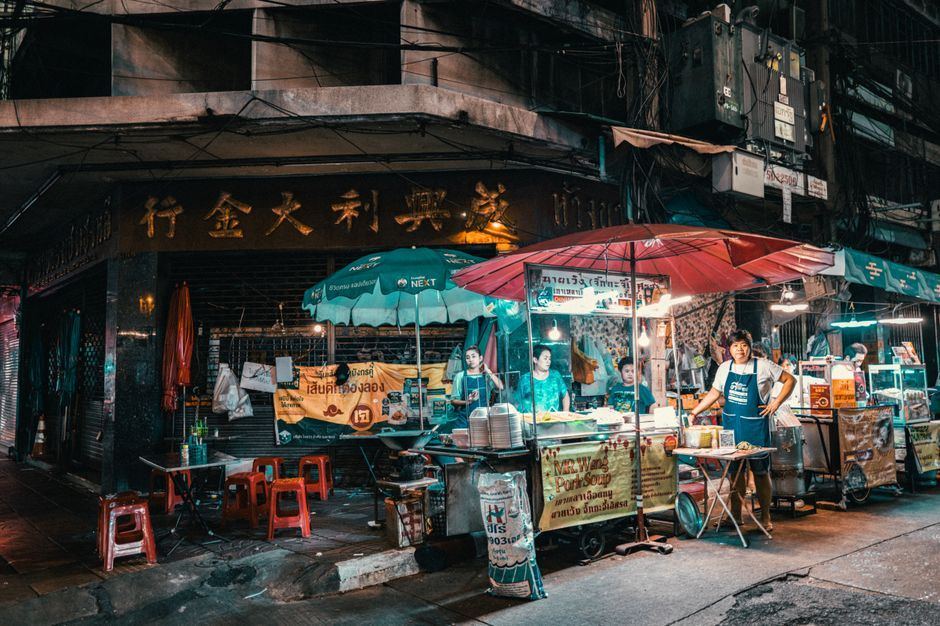
New App Connects Diners with Certified Thai Street Food
Thailand has rolled out the Thai Street Gold Star mobile application, coupled with a new quality certification programme for street food vendors. This initiative aims to simplify the process for both local residents and international visitors to locate accredited street food establishments, according to a report by VnExpress International – Travel. Thailand was recognised as the world's top country for food by readers of British magazine Condé Nast Traveller last year.
The application allows users to browse certified eateries, view recommended menus and signature dishes, and access precise locations with integrated navigation guidance. The programme has initially been implemented in three key tourism centres: Bangkok, Pattaya, and Chiang Mai. This development reflects a strategic move to formalise and enhance the reputation of Thailand's renowned street food sector, a significant draw for culinary travellers globally. The digital tool is designed to provide greater transparency and accessibility for consumers seeking quality street food options.
Certification Standards and Vendor Support
To achieve the Thai Street Gold Star certification, vendors must meet specific assessment criteria across three main areas. These include Safety, which covers food hygiene and preparation standards; Brand Identity, evaluating the uniqueness and presentation of dishes; and Service, measuring customer care and the overall dining activity. This comprehensive assessment ensures a consistent standard across certified vendors.
The initiative is a collaborative effort between Thailand's Office of Small and Medium Enterprises Promotion (OSMEP), Suan Dusit University, and various partner organisations. Participating vendors will receive practical assistance, encompassing training in business planning, digital marketing, the application of artificial intelligence (AI), and food safety practices. This support structure is designed to empower small and medium-sized enterprises (SMEs) within the street food sector, helping them to meet certification requirements and improve their operational capabilities.
Economic Impact and Tourism Ambitions
Certified vendors will also gain promotional opportunities through dedicated food exhibitions and events organised in Bangkok, Pattaya, and Chiang Mai. These platforms will allow them to showcase their cuisine, engage directly with tourists, and boost sales. Deputy Government Spokesperson Lalida Persvivatana affirmed that Thai cuisine and street food remain among the country's most significant strengths. She stated that combining higher standards with digital technology would enhance the competitiveness of food operators, generate income for SMEs, stimulate tourism, and reinforce Thailand's ambition to become a leading global destination for sustainable culinary and wellness tourism.
According to the Thai government, the country's street food market is currently valued at over 261 billion THB (approximately US$7.7 billion) and continues to grow rapidly. Popular food streets, such as Banthat Thong Road, consistently attract substantial numbers of international visitors. This economic data underscores the importance of the street food sector to Thailand’s overall economy and tourism industry.
Implications for Travellers and Regional Culinary Tourism
For travellers visiting Thailand, the Thai Street Gold Star application means increased confidence in the hygiene and quality of street food choices within certified locations. The ease of locating accredited vendors through a digital platform streamlines the dining selection process, potentially encouraging more tourists to safely engage with Thailand's famous street food culture. This move by the Thai government demonstrates a proactive strategy to leverage technology for public health and tourism development.
From an industry perspective, this initiative drives formalisation and quality improvement within a vital segment of Thailand's tourism economy, strengthening its culinary tourism brand. Other Asian destinations where street food is a major draw, such as Vietnam, Malaysia, and Indonesia, may observe Thailand's model. These countries, with similar street food cultures, could consider adopting comparable certification programmes and digital tools to enhance their own culinary tourism offerings, support local SMEs, and provide greater assurance to international visitors regarding food safety and quality.
Get The Post.
The global travel stories that matter, three mornings a week. Free.