United, Delta, American Pilot Strategies Diverge
The three largest US legacy carriers—United Airlines, Delta Air Lines, and American Airlines—are implementing distinct pilot recruitment and training models. Each airline operates a unique programme by 2026, tailoring entry requirements and career progression for aspiring aviators. These varied approaches aim to secure future cockpit talent for the commercial aviation sector.
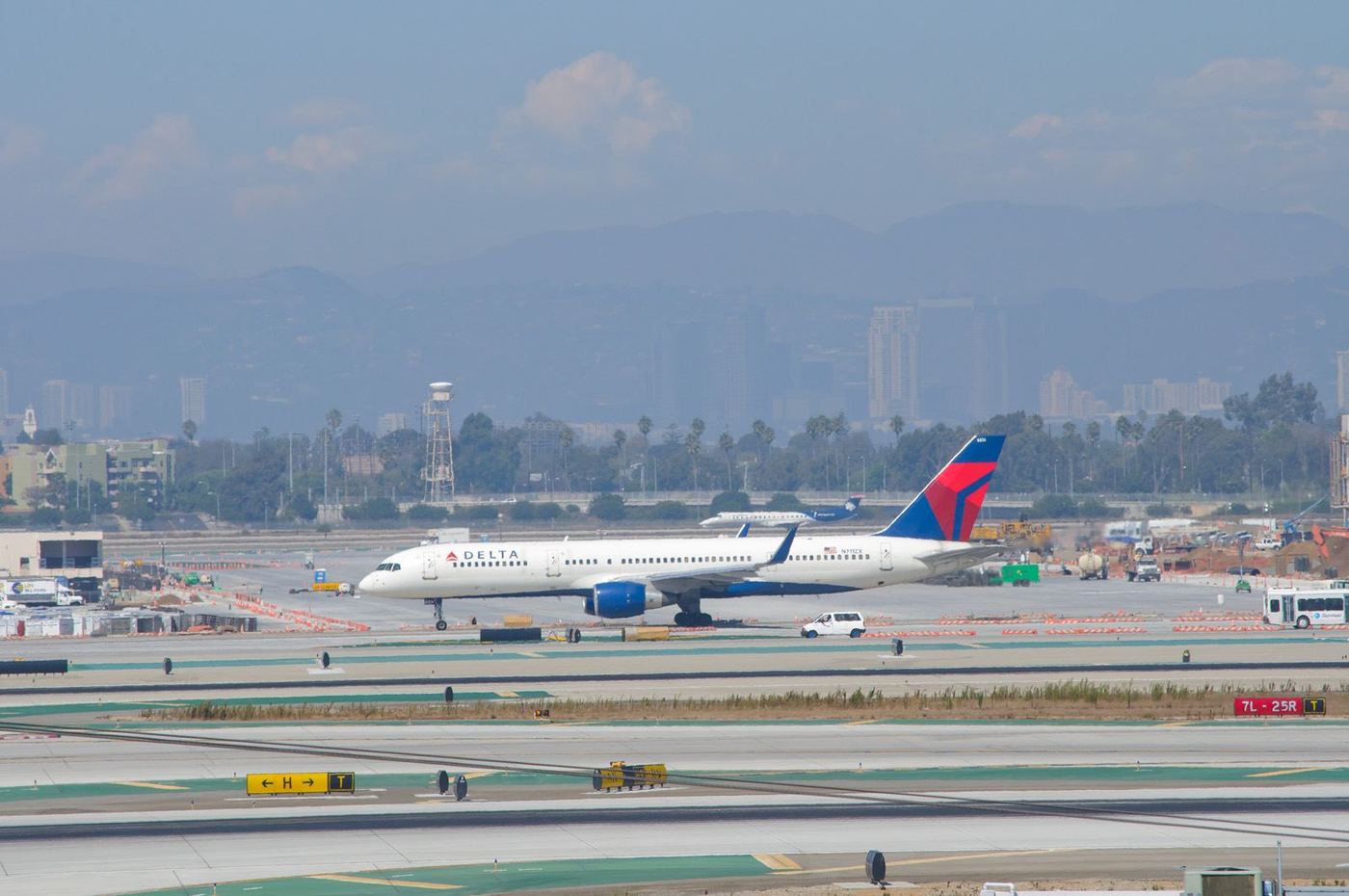
Major US Carriers Adopt Unique Recruitment Paths
United Airlines, Delta Air Lines, and American Airlines are pursuing different strategies to attract and train new pilots. By 2026, each carrier employs a specific programme to develop its future flight crews. These programmes reflect varied philosophies on pilot experience and training pathways.
The initial choice of airline programme can significantly influence a pilot's long-term career trajectory. Aspiring aviators must consider these differences when entering commercial aviation. The carriers aim to meet their staffing needs through these tailored pipelines. This divergence in approach highlights the competitive landscape for pilot talent within the US aviation industry.
United Airlines Focuses on Experienced Candidates
United Airlines’ Aviate programme targets individuals who already possess or are acquiring a commercial pilot certificate with an instrument rating. The airline does not provide initial flight training. Instead, Aviate screens candidates for qualities suitable for commercial jetliner operations.
Pilots starting with zero hours can use loans for Aviate Academy, costing approximately $75,000. Those with existing ratings bypass academy tuition. They build flight hours at a United-affiliated regional or Part 135 operator. United requires 1,200 pilot-in-command hours before transitioning to mainline operations.
The airline can impose quarterly caps on regional carrier hires, adjusting participant numbers based on programme needs.
Delta Air Lines Prioritises Flight Instructor Experience
Delta Air Lines’ Propel programme operates a combined recruiting and selection pipeline with its wholly-owned subsidiary, Endeavor Air. Applicants do not require a university degree but must have logged time as a certified flight instructor. Propel offers a clear path to a qualified job offer after a single initial interview.
New pilots then fly for Endeavor as a captain for at least 24 months. The timeline from initial hire to captain is around 36 months. The entire process, from the Propel interview to flying a mainline jet, takes approximately five years. Delta’s model places the initial training burden on the individual. This reduces early-stage washout risk for the carrier.
American Airlines Trains Entry-Level Pilots
American Airlines stands apart by accepting candidates with no prior flight hours through its Cadet Academy. While a high school diploma or GED is necessary, American is the only major US carrier to hire true beginners. This route requires a significant loan, reportedly around $125,000, from the American Airlines Federal Credit Union to cover training costs.
This amount does not include any provisional employment offer. Upon acceptance into the pipeline, pilots can fly for an affiliated regional carrier. This path bypasses further interview phases for regional airline placement. American’s strategy caters to individuals ready to begin a professional aviation career without prior formal training.
Industry Implications for Pilot Supply
These divergent recruitment strategies highlight the US aviation industry's varied approaches to addressing pilot supply. United and Delta seek candidates with established foundational skills, reducing their direct training investment. American, conversely, invests in developing pilots from the ground up, broadening the entry pool.
Each method carries distinct advantages and costs for both the airlines and aspiring aviators. The industry will observe how these pipelines perform in meeting projected pilot demand. These programmes collectively shape the future availability of qualified flight crew across US commercial air travel. Their success will influence operational capacity and growth for the carriers in the coming years.
Get The Post.
The global travel stories that matter, three mornings a week. Free.