Aeroméxico Deploys Honeywell Runway Safety Technology Across Boeing 737 Fleet
Aeroméxico is installing Honeywell's Surface Alerts (SURF-A) system across its Boeing 737 fleet. This upgrade enhances runway safety by providing pilots with timely warnings against potential collisions.
Aeroméxico Enhances Runway Safety Protocols
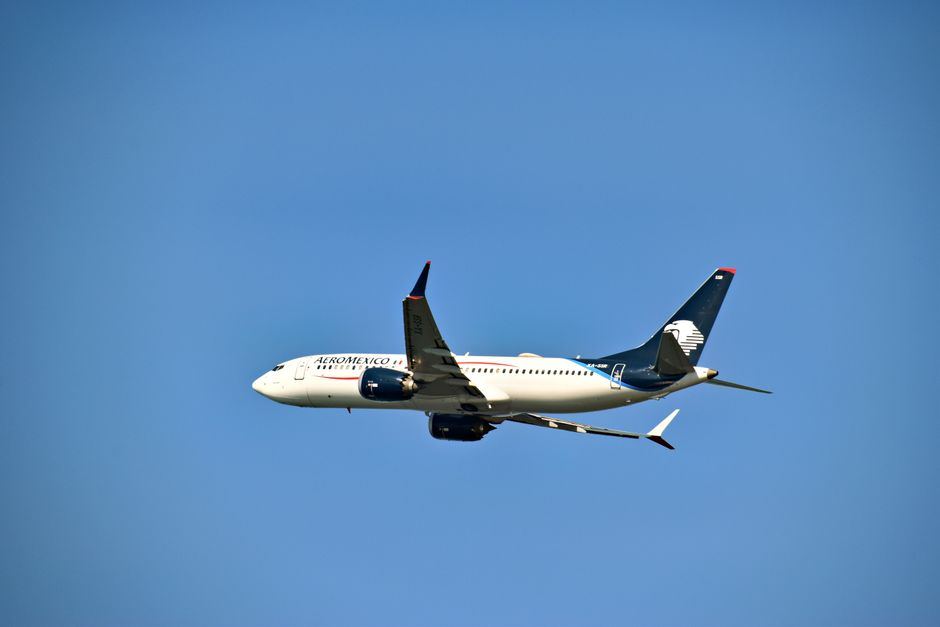
Aeroméxico, Mexico's flag carrier, will equip its entire Boeing 737 fleet with advanced runway safety technology. The airline is deploying Honeywell Aerospace’s Surface Alerts (SURF-A) system. This initiative aims to prevent ground collisions involving other aircraft on runways. The upgrade covers over 100 Boeing 737 NextGen and 737 MAX aeroplanes. This move demonstrates Aeroméxico's commitment to operational safety standards. The technology functions as a crucial aid for pilots during critical flight phases. It specifically targets improving situational awareness in high-traffic airport environments. The deployment represents a significant investment in modern aviation safety infrastructure. (Source: AirlineGeeks, 24 July 2026)
Precision Alerting for Pilot Awareness
Honeywell’s SURF-A system uses a combination of GPS data and ADS-B equipment. It also employs sophisticated software analytics to determine the exact location of potential runway hazards. The technology provides pilots with visual and aural warnings. These alerts activate approximately 15 to 30 seconds before a potential impact with another aircraft. Pilots receive a clear 'Traffic on the runway' message on their cockpit displays. This system acts as an additional layer of vigilance. It helps flight crews recognise potential collision courses quickly. This capability is vital during taxiing, take-off, and landing procedures. Honeywell Aerospace describes it as a 'third set of eyes' for the cockpit. This enhances overall operational security.
Fleet-Wide Integration and Certification Timeline
The SURF-A technology will integrate as a software upgrade. It will enhance Aeroméxico's existing Honeywell Enhanced Ground Proximity Warning System (EGPWS). It also complements the Traffic Collision Avoidance System (TCAS) already on its 737 fleet. This integration ensures seamless operation with current avionics. FAA certification for SURF-A on several Boeing aircraft types is anticipated. This process is expected to commence later this year and continue into 2027. Once approved, SURF-A will formally join Honeywell Aerospace's comprehensive suite of runway safety tools. These tools include the Runway Awareness and Advisory System (RAAS). They also feature SmartRunway and SmartLanding software solutions. This phased approach ensures rigorous testing and regulatory compliance.
Global Implications for Aviation Safety
The adoption of advanced runway safety systems like SURF-A shows a global trend. Airlines are increasingly investing in technologies that mitigate ground-based risks. This move by Aeroméxico could encourage other carriers in Latin America and beyond. Enhanced situational awareness reduces the likelihood of ground incidents. This protects both aircraft and passenger lives. For travellers, this means increased confidence in airline safety measures. For the industry, it sets a precedent for implementing cutting-edge solutions. Asian markets, with their rapidly expanding air traffic, could also benefit from similar deployments. Carriers like Singapore Airlines or Cathay Pacific might observe these developments. Such systems could become standard practice globally, improving overall air travel security. This evolution in safety technology drives continuous improvement in aviation operations worldwide.
Get The Post.
The global travel stories that matter, three mornings a week. Free.
By subscribing you consent to receive this newsletter from GlobalTravelPost (Asia Press Centre Group); unsubscribe at any time.