American Airlines Boeing 787 Diverts to Dublin After Six Crew Members Fall Ill
An American Airlines Boeing 787-9 Dreamliner diverted to Dublin following multiple flight attendants reporting illness mid-flight. The incident led to a flight cancellation impacting 284 passengers.
Transatlantic Flight Diverted to Dublin
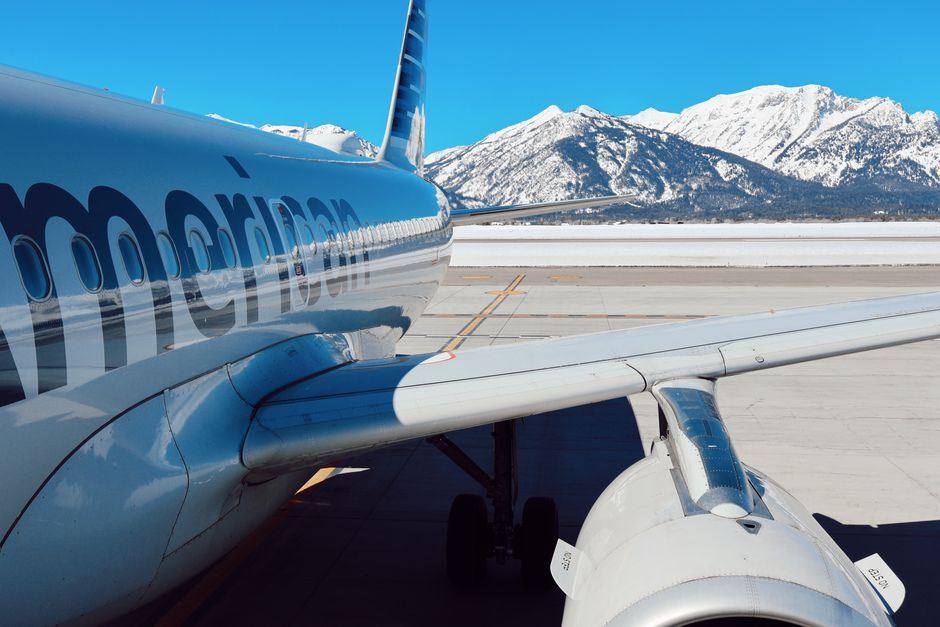
American Airlines flight AA-719, a Boeing 787-9 Dreamliner, diverted to Dublin, Ireland, on 25 July 2026. The aircraft was operating a service from Rome Fiumicino International Airport to Philadelphia. Approximately three hours into the transatlantic flight, six of the eight flight attendants reported feeling unwell. Pilots declared a medical emergency and redirected the aircraft towards Dublin. The Dreamliner, carrying 284 passengers, landed safely in the Irish capital. This unforeseen event subsequently led to the cancellation of the onward service to Philadelphia. The incident's precise cause remains under investigation, as reported by Paddle Your Own Kanoo.
Operational Impact and Initial Response
Following its safe landing in Dublin, the American Airlines Boeing 787-9 faced immediate operational challenges. The carrier could not quickly provide a replacement crew to continue the transatlantic service. This logistical hurdle necessitated the cancellation of flight AA-719's onward journey to Philadelphia, affecting all 284 passengers. The specific medical issue afflicting the crew members was not publicly detailed at the time of the diversion. Air traffic control received a general medical emergency declaration. However, aviation sources, cited by Paddle Your Own Kanoo, indicated that six flight attendants experienced symptoms like dizziness and general illness. While none were reportedly incapacitated, the collective nature of the sickness prompted the flight crew to divert, ensuring the safety of all aboard.
Investigating Potential Causes: Environmental Factors
The precise cause of the flight attendants' sudden illness remains subject to investigation. One common theory for such events, a 'toxic fume' or 'odor' incident, is less probable in a Boeing 787. Unlike most commercial passenger aircraft, the Dreamliner does not utilise a 'bleed air' system. This traditional system draws air directly from the aircraft's engines for cabin ventilation. Critics claim this method can introduce engine oil vapours or other contaminants into the cabin. The 787 instead uses electric compressors to supply fresh air, mitigating this particular risk. Therefore, investigators will likely examine other potential environmental factors within the cabin. This includes scrutinising the aircraft's dedicated air conditioning packs, which are crucial for maintaining cabin air quality.
System Malfunctions and Precedent
A more probable cause under consideration involves a malfunction within the aircraft's air conditioning packs. These systems are vital for maintaining appropriate oxygen levels and air quality within the cabin. A fault in even one pack could potentially lower oxygen concentration, leading to early hypoxia symptoms. These may include dizziness, light-headedness, and impaired motor skills. Flight attendants, due to their active duties during service, typically require more oxygen than seated passengers, making them potentially more susceptible. Another, albeit less common, explanation could be a chemical spill. Paddle Your Own Kanoo referenced a 2018 American Airlines incident where a cleaning solution leak on a London Heathrow to Philadelphia flight caused crew illness, necessitating a diversion to Shannon, Ireland.
Implications for Air Travel and Asia
This incident underscores the critical importance of crew welfare and robust safety protocols in air travel. Airlines globally, including those in Asia, continuously review and update their emergency response procedures. While the Boeing 787’s bleedless air system aims to mitigate certain contamination risks, this event directs attention towards other potential cabin environmental factors. Asian carriers, which operate extensive long-haul networks and significant Boeing 787 fleets, will closely observe the findings from this investigation. Aviation regulators across Asia already enforce stringent cabin air quality and crew health standards. This event reinforces the global industry’s ongoing focus on maintaining cabin environment integrity. Any specific recommendations or systemic issues identified could influence operational guidelines for Asian airlines, particularly concerning crew health monitoring during extended flights.
Get The Post.
The global travel stories that matter, three mornings a week. Free.
By subscribing you consent to receive this newsletter from GlobalTravelPost (Asia Press Centre Group); unsubscribe at any time.