Air Canada Faces Criticism Over CA$200 Voucher After Losing Passenger's Husband's Ashes
Air Canada has drawn criticism for its handling of a lost baggage incident involving a passenger's late husband's ashes, offering a CA$200 voucher as compensation. The incident occurred on a domestic flight after the passenger was reportedly instructed to check the ashes despite prior airline confirmation for hand luggage.
Ashes Lost After Check-In Despite Prior Clearance
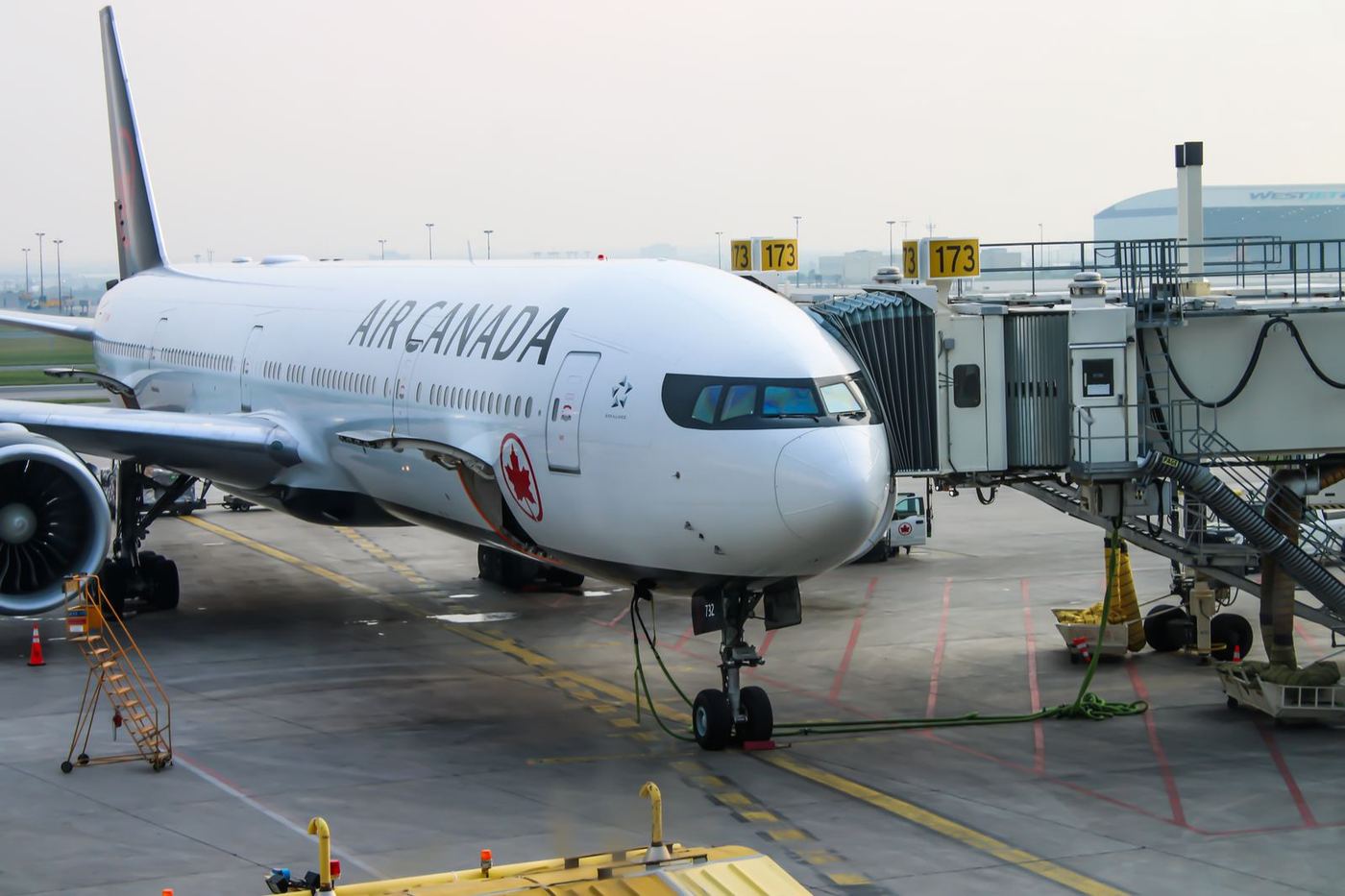
Twyla Shannahan, an Air Canada passenger, has publicly criticised the carrier after her checked bag, containing her late husband's ashes, went missing during a domestic flight. On June 10, 2026, Ms. Shannahan was flying from Edmonton International Airport (YEG) in Alberta to St. John's International (YYT) in Newfoundland. She had planned to scatter her husband Lawrence's ashes in his home province of Newfoundland.
According to reports by CBC News, Ms. Shannahan had contacted Air Canada in advance to confirm that she could transport the ashes in her hand luggage and had prepared all necessary documentation. However, upon checking in for her flight at Edmonton Airport, an Air Canada agent reportedly informed her that "new rules" mandated the ashes be placed in her checked baggage. This bag subsequently failed to arrive with her in St. John's.
Compensation Offer Deemed 'Offensive'
Following the discovery that her bag was delayed, Ms. Shannahan contacted Air Canada the following day. The airline confirmed the bag's location in Montréal and offered to send it via courier. Opting against the courier service due to the prior loss, Ms. Shannahan travelled to Montréal herself to retrieve the bag.
Air Canada later offered Ms. Shannahan a digital compensation voucher valued at CA$200 (US$144). An Air Canada spokesperson, speaking to CBC News, described this as a "gesture of goodwill for the stress caused." However, Ms. Shannahan found the offer "offensive," arguing that it would compel her to spend additional money with the same airline responsible for misplacing her husband's ashes. She has called for Air Canada to re-evaluate its policies to prevent similar distress for other grieving travellers.
Airline Policy and Industry Precedent
A spokesperson for Air Canada clarified to CBC News that human ashes are indeed permitted in hand luggage, provided they meet "applicable security requirements." The Canadian Air Transport Security Authority (CATSA), responsible for airport security screening, acknowledged the sensitive and emotional nature of such situations. CATSA stated its commitment to treating passengers and their loved ones with dignity and respect while ensuring compliance with regulations, as reported by CBC News.
This incident is not unprecedented within the aviation industry. In October 2022, Simple Flying reported a similar situation involving a Virgin Atlantic passenger. A 78-year-old woman travelling from Manchester (MAN) to Orlando International Airport (MCO) had her husband's ashes and wedding rings lost in checked baggage due to a tagging issue, highlighting a recurring challenge for airlines handling sensitive items.
Implications for Travellers and Airline Procedures
This event underscores the critical need for airlines to ensure consistent communication and adherence to established procedures, particularly concerning the carriage of sensitive items like human remains. Travellers transporting valuable or sentimental belongings, especially those requiring specific handling, should meticulously document all pre-flight communications with airline staff and re-confirm guidelines at every stage of their journey, including at check-in.
For the aviation industry, incidents of this nature highlight the importance of thorough staff training on special baggage handling protocols and the potential for significant reputational damage arising from perceived inadequate compensation or insensitive operational processes. Airlines may face increased scrutiny regarding their compensation frameworks for non-monetary losses, potentially driving a review of existing policies to better address emotional distress and unique passenger circumstances.
Get The Post.
The global travel stories that matter, three mornings a week. Free.