Air India A320neo Plunges 300 Feet, Flight Control Systems Briefly Dark, Airbus Report Reveals
An internal Airbus report reveals that flight control systems on an Air India Airbus A320neo went dark for several seconds during a 300-foot plunge on 4 August, injuring 24 passengers and crew. The incident on flight AI-2379 from Phuket to Delhi is under investigation, with a prior Airbus safety alert for A320 family software issues also noted.
Air India A320neo Incident Injures 24, Flight Controls Cited
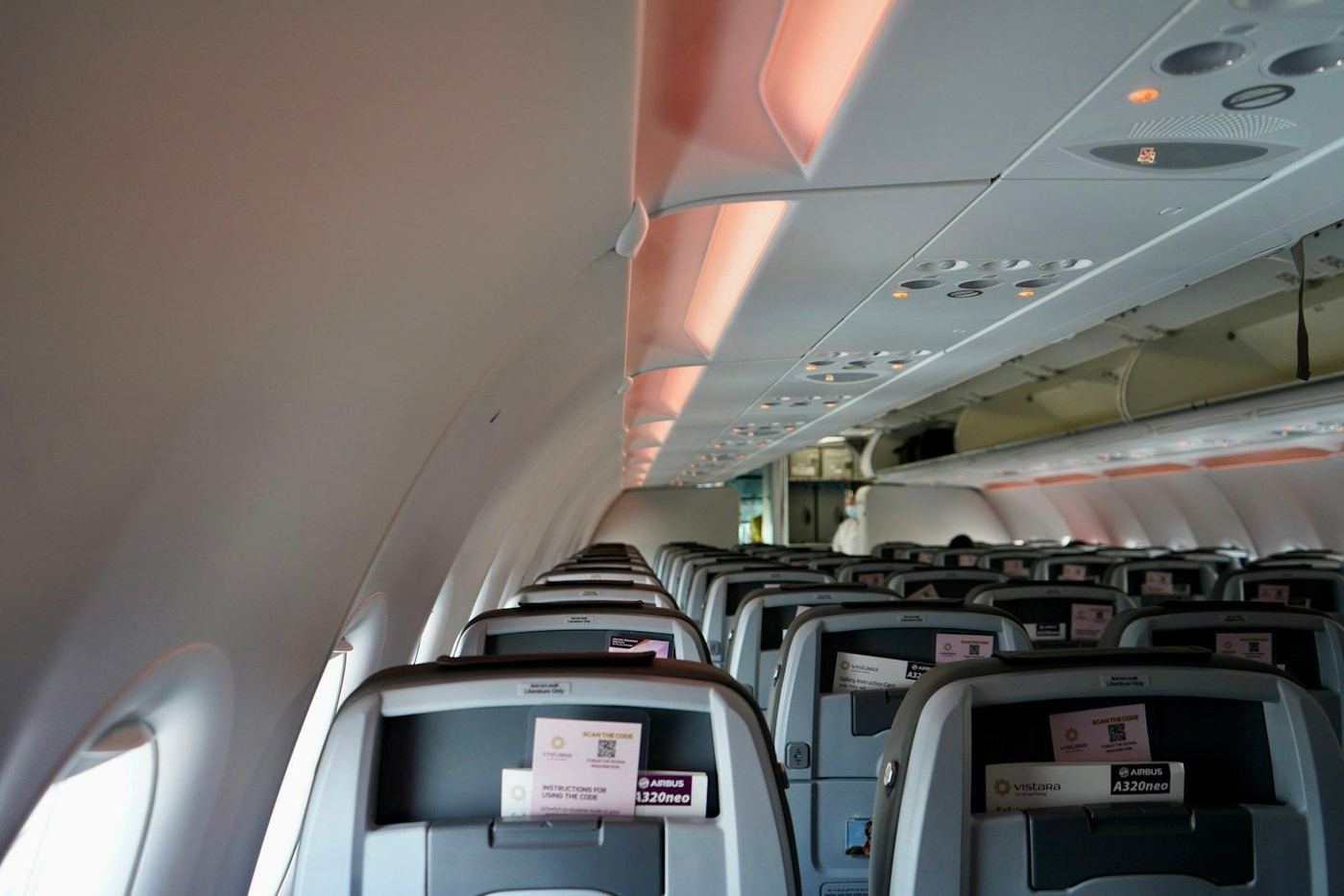
An Air India Airbus A320neo aircraft experienced a sudden 300-foot drop while flying at cruising altitude on 4 August, resulting in injuries to 20 passengers and four cabin crew members. The incident occurred during Air India flight AI-2379, operating from Phuket, Thailand, to Delhi, India. An internal report from aircraft manufacturer Airbus, reviewed by Reuters, shows that the plane's flight control systems became unavailable for approximately four seconds during the unexpected descent.
The seven-year-old aircraft was flying at around 34,000 feet when the sudden pitch-up occurred, throwing unstrapped individuals into the cabin ceiling. Many of those injured required hospitalisation for head, neck, and spinal trauma. The Airbus document claims that during the brief system unavailability, the aircraft pitched upwards. The First Officer responded by pushing the nose down, but an immediate correction did not occur, reportedly due to a loss of hydraulic systems. India’s Aircraft Accident Investigation Branch (AAIB) is currently investigating the incident with assistance from the French Bureau d’Enquetes et d’Analyses (BEA).
Airbus Investigates System Failure Amid Prior Safety Concerns
The internal Airbus report does not establish the definitive cause of the 4 August incident. However, the manufacturer had issued an urgent safety alert late last year, in 2025, for its A320 family of single-aisle aircraft. This alert followed an investigation into a JetBlue aircraft incident where the plane unexpectedly pitched down mid-flight without pilot input.
Engineers determined that the unexpected pitch-down originated from a malfunctioning Elevator & Aileron Computer (ELAC) unit. The ELAC interprets pilot commands and controls the aircraft's elevators and ailerons. Airbus believes intense solar radiation may have corrupted the ELAC, specifically affecting a software update known as L104. To address this, airlines operating affected aircraft were directed to restore the L104 software to the previous L103 version. This typically involved engineers using a Portable Data Loader to reinstall the tested L103 software into the cockpit computer. Of approximately 11,500 Airbus A320 series aircraft in active commercial service globally, about 6,000 had the L104 software installed.
Captain Fails Second Drug Test; No Link to Incident Suggested
In a separate development concerning flight AI-2379, the Captain reportedly failed a second drug test earlier this week, around 10-14 August 2026. Following any serious aviation occurrence, standard procedure mandates drug testing for all crew members. The Captain’s initial rapid test yielded a 'non negative' result, prompting a more detailed confirmatory test.
While investigators have not yet officially confirmed the results of this second test, sources claim it returned positive for cannabis. It is crucial to note that there is currently no suggestion or evidence linking the alleged drug use by the Captain to the events that unfolded on Air India flight AI-2379. The ongoing investigations by the AAIB and BEA will focus on the technical and operational factors contributing to the aircraft's sudden descent.
Industry Watch: Software Integrity and Crew Fitness Under Scrutiny
The Air India A320neo incident brings renewed focus to flight control system integrity and crew fitness within the global aviation industry. For travellers, this means increased scrutiny on the maintenance and software updates of A320 family aircraft, as well as the robust implementation of pilot health and safety protocols by airlines. Operators of Airbus A320 family aircraft, particularly those that installed the L104 software, must ensure full compliance with Airbus's directive to revert to the L103 version, a measure designed to prevent similar software-related malfunctions.
Regulators worldwide will closely monitor the findings of the AAIB and BEA investigations. The outcome will inform potential adjustments to aircraft maintenance procedures, software update protocols, and crew medical assessments. While the full cause of the incident remains under investigation, the developments underscore the continuous need for vigilance in aviation safety, from software management to personnel oversight, ensuring continued confidence in air travel across Asia and beyond.
Get The Post.
The global travel stories that matter, three mornings a week. Free.