Air India Increases Delhi-Melbourne Flights to Ten Weekly Services
Air India will operate a record ten weekly flights between Delhi and Melbourne from late October. This expansion significantly boosts capacity on the route, using larger Boeing 777-300ER aircraft alongside Boeing 787-8s. The move addresses growing passenger demand between India and Australia.
Record Capacity for Delhi-Melbourne Corridor
Air India is set to operate a record ten weekly flights between Delhi Indira Gandhi International Airport (DEL) and Melbourne Airport (MEL). This schedule begins on 25 October. The airline will deploy a combination of Boeing 777-300ER and Boeing 787-8 aircraft. This marks the largest flight schedule the Indian carrier has planned for this route.
It reflects a strategic increase in international network capacity. The airline previously scaled back services during the summer period.
Aircraft Deployment and Seat Increase
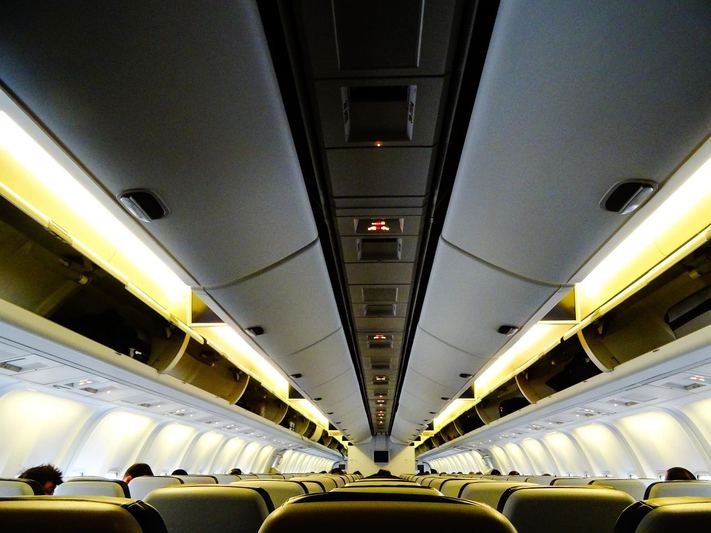
The expanded service includes a daily Boeing 777-300ER flight. Three additional weekly Boeing 787-8 services will complement this. Air India introduced the 777-300ER on this route on 1 July. The 328-seat variant features eight first-class suites and 40 lie-flat business class seats. This represents a substantial capacity increase over the 259-seat Boeing 787-8.
The 777-300ER adds 69 seats per departure. This includes a significant rise in premium cabin availability. The 787-8 aircraft offers 18 business class seats, while the 777-300ER provides 48 premium seats.
Responding to Growing Passenger Demand
The Delhi-Melbourne route is a key connection between India and Australia. Passenger data shows approximately 281,000 round-trip passengers travelled this route. This occurred in the 12 months leading up to April 2026. Figures from the Australian Bureau of Statistics reveal a demographic shift. India-born residents became Australia's largest overseas-born group in 2025.
This surpasses those from England. Air India's current schedule is four flights per week due to fuel costs. It will return to daily service from 1 September. The ten weekly frequencies commence in late October.
Network Restoration Amidst Fleet Challenges
This expansion is part of Air India’s broader effort to restore its long-haul network. The carrier made significant service reductions between June and August. These were in response to rising jet fuel prices and airspace restrictions. Air India aims to reinstate services on many key routes from September.
However, some routes, like those to Chicago and Washington Dulles, remain suspended. This is due to aircraft availability issues. The airline's Boeing 787-8 cabin retrofit programme, which started in 2025, is a contributing factor. It is scheduled for completion by mid-2027. The retirement of older Boeing 777-200LRs also affects fleet numbers.
Air India's long-haul fleet includes 26 Boeing 787-8s, seven 787-9s, 19 777-300ERs, and six Airbus A350-900s. The first A350-1000s are expected by the end of 2026.
Implications for Travellers and Industry
The increased frequency and larger aircraft mean more options for travellers between Delhi and Melbourne. Passengers will benefit from greater seat availability. The significant boost in premium capacity offers enhanced choices for business and first-class travel. This move also reflects Air India's commitment to strengthening international links.
The airline navigates operational challenges like fuel costs and fleet modernisation. Industry observers will monitor how this capacity injection affects market competition. It will also reveal how Air India's network restoration progresses across its global operations. The completion of the 787-8 retrofit by mid-2027 will further shape future route developments.
Get The Post.
The global travel stories that matter, three mornings a week. Free.