Airbus A350F Completes Maiden Flight Amid Engine Maturity Advantage
The new Airbus A350F freighter recently undertook its first test flight, powered by Rolls-Royce Trent XWB-97 engines with 4.5 million flight hours, offering a certified advantage over rival powerplants.
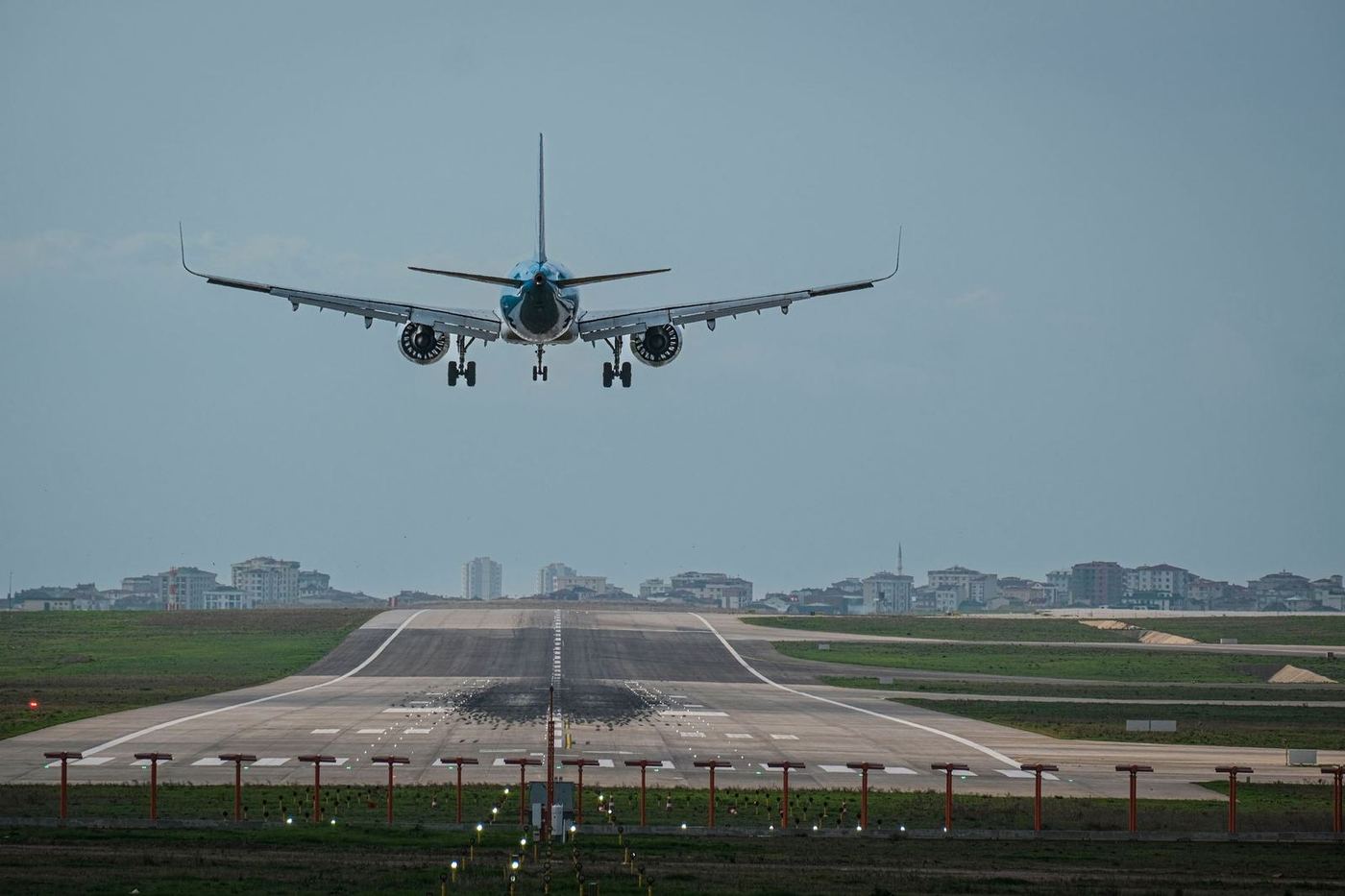
Airbus A350F Takes First Flight
The new Airbus A350F freighter completed its maiden test flight in late September, marking a significant step for the cargo aircraft programme. Airbus reported this first test aircraft, based on the A350-1000, was equipped with specialised flight test instrumentation. The initial flight lasted four hours and ten minutes, reaching an altitude of 7,620 metres.
Lars Wagner, CEO of Commercial Aircraft at Airbus, described the event as a major milestone for the A350F and its global customers, calling the aircraft a "game-changer" for the air cargo market due to its "unmatched operational flexibility, fuel efficiency, and range".
The second A350F prototype is currently in an advanced stage of final assembly and is scheduled to enter the paint shop during 2026.
Engine Maturity and Regulatory Compliance
A key advantage for the Airbus A350F stems from its Rolls-Royce Trent XWB-97 engines, which have already accumulated 4.5 million flight hours. This operational maturity provides a certified benefit over newer, less established powerplants.
Airbus claims these engines deliver up to a 40% reduction in fuel consumption and carbon emissions "compared with competitor aircraft with similar payload-range capability". Furthermore, Airbus states the A350F will be the first new freighter to fully comply with the latest ICAO CO₂ emissions standards. The aircraft is designed to offer a range of up to 4,700 nautical miles and a payload capacity of up to 111 tonnes.
Boeing's Freighter Fleet Challenges
In contrast, Boeing faces ongoing delays with its new 777-8F freighter, which is now not expected to enter service until approximately 2029. The wider 777X programme, which includes the 777-8F, is seven years behind its initial target of a 2020 service entry.
These delays are attributed to increased scrutiny from the FAA following previous incidents, along with airframe issues such as thrust-link cracking. More recently, a GE9X mid-seal durability issue was identified in 2026, although GE has redesigned the seal and states this will not delay the 777X's entry into service.
Meanwhile, Boeing is rushing to deliver its remaining 767-300F freighters before new regulations take effect on 1 January 2028 and is not accepting new orders for this model. The FAA has granted Boeing a waiver to build and sell up to 35 additional older-generation 777F freighters until 31 December 2030, but global ICAO CO₂ standards still apply elsewhere.
Implications for Asian Air Cargo Operators
The differing timelines and regulatory compliance status of new-generation freighters will significantly influence fleet modernisation strategies for air cargo operators, particularly across Asia.
Asian carriers, many of whom are major players in global freight, face increasing pressure to upgrade their fleets to meet stricter ICAO CO₂ emissions standards and enhance fuel efficiency. The Airbus A350F's advanced certification and engine maturity offer a readily available option for those seeking to replace older aircraft and ensure long-term operational viability.
Conversely, Boeing's delays with the 777-8F mean Asian airlines may need to rely on interim solutions, such as the extended 777F production under the FAA waiver, or accelerate their consideration of the A350F to maintain competitiveness and comply with environmental mandates on international routes.
Get The Post.
The global travel stories that matter, three mornings a week. Free.