Chinese Outbound Trips Rise 9.3% During Golden Week Holiday
The extended 13-day break saw 4.4 million mainland Chinese travellers head overseas, boosting tourism in Southeast Asia, Australia, and Europe.

Chinese Outbound Trips Climb 9.3%
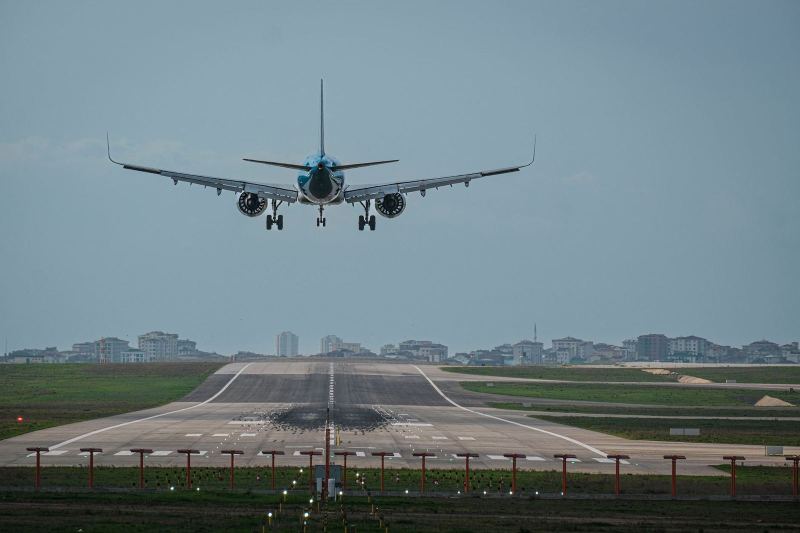
Chinese travellers undertook 4.4 million outbound trips during the recent Golden Week holiday period, marking a 9.3% increase year-on-year, according to the National Immigration Administration.
This surge was partly driven by many travellers combining the Mid-Autumn Festival, which ran from September 25 to 27, with the seven-day National Day holiday, beginning on October 1, to create an extended 13-day vacation. Data from Chinese travel portal Ctrip showed that approximately one in ten tourists opted for this longer break.
Furthermore, trips lasting eight days or more accounted for about 42% of outbound holidaymakers this year, a notable rise from 29% in 2024, Ctrip reported.
Asia-Pacific and Europe See Increased Arrivals
The extended holiday period showed a diverse range of popular destinations for Chinese outbound travellers. Europe experienced a visitor share approximately 1.5 times its usual level, while travel to New Zealand doubled year-on-year, according to Ctrip data.
Multiple online travel platforms also indicated that South Korea, Thailand, Malaysia, Indonesia, Vietnam, and Australia were among the most frequented destinations. Notably, Japan, which previously held a top position, was not listed among the most popular choices this year. Long-haul destinations such as Australia, the United States, and Italy also recorded high booking volumes.
Thailand and Malaysia Report Significant Boosts
Thailand's tourism sector saw a direct benefit from the Chinese Golden Week, with foreign tourist arrivals increasing by 8.24% week-on-week to 522,532 visitors between September 27 and October 3. Thai Tourism and Sports Minister Surasak Phancharoenworakul stated on October 5 that the holiday significantly boosted short-haul arrivals to the country.
China emerged as Thailand's largest source market for foreign visitors during this period, contributing 133,946 arrivals, an increase of 41.98% from the preceding week, as reported by The Nation, citing updates from Surasak.
Elsewhere in Southeast Asia, Penang, Malaysia, experienced a steady influx of Chinese tourists, attributed to visa-free entry policies and enhanced flight connectivity, according to Malaysia's English newspaper The Star. A local tour agent, Lim Kian Hock, observed a 20% increase in bookings from China compared to last year.
Retail Spending Surges in South Korea, Australia Benefits
In South Korea, foreign tourist spending at major retailers nearly doubled year-on-year during the Golden Week holiday, largely driven by Chinese visitors, according to the Maeil Business Newspaper. Sales at convenience stores rose by 78–88% compared to the October 1–5 period of the previous year.
Fashion retailer Musinsa Standard’s offline stores reported a 220% increase in sales, with Chinese customers making up 34% of all foreign shoppers. Department stores like Lotte also saw sales climb by 130% year-on-year. Meanwhile, in Australia, New South Wales’ visitor economy was boosted by China’s Golden Week, as confirmed by Destination NSW.
The state welcomed 4.1 million international visitors in the year ending June 2026, a 5.8% increase year-on-year, with China remaining its largest international source market, Tourism Research Australia reported. International visitor expenditure in NSW grew by 14.5% to A$15.1 billion (US$10.5 billion), primarily due to strong growth in Chinese visitor numbers and spending.
Future Outlook for Asian Tourism Markets
The strong performance of Chinese outbound tourism during Golden Week underscores its critical role in the recovery and growth of Asia-Pacific travel markets. Destinations like Thailand, Malaysia, and South Korea have already seen tangible benefits through increased arrivals and retail spending.
For airlines and tour operators across the region, this trend shows continued demand for both short-haul and long-haul routes from mainland China.
Governments and tourism boards in the Asia-Pacific will likely continue to implement traveller-friendly policies, such as expanded visa-free entry and improved flight connections, to capture a larger share of this lucrative market, with the next major holiday period offering a further indication of sustained growth.
Get The Post.
The global travel stories that matter, three mornings a week. Free.