Airlines Reposition Empty Aircraft: Understanding Ferry Flight Operations
Airlines frequently operate flights with no passengers or cabin crew, known as ferry flights. These movements are critical for maintenance, operational repositioning, and aircraft storage, often involving long-haul routes across continents.

The Purpose Behind Empty Aircraft Flights
Aviation sector observers may note unusual wide-body aircraft movements on flight tracking applications: jets flying routes not typically served by their airline, often with unusually high flight numbers. These are ferry flights, where aircraft operate without commercial passengers or, in most instances, a full complement of cabin crew.
Airlines dispatch these empty jets, sometimes covering thousands of kilometres, for various operational necessities. The practice ensures aircraft are in the correct location for their next task, even if that means flying without revenue-generating occupants.
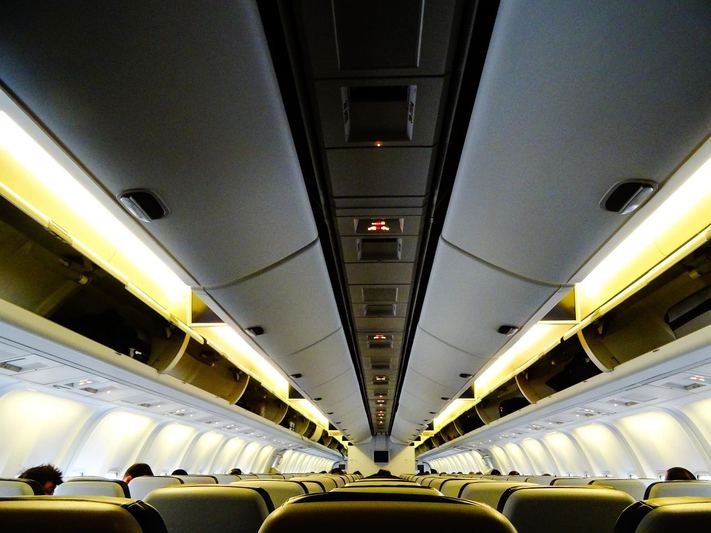
Pilots are typically the only personnel on board, trained to manage door arming and disarming procedures independently, negating the need for cabin crew unless other crew members are also being repositioned.
Key Drivers for Ferry Operations, Including Asian MRO
One primary reason for ferry flights is maintenance, repair, and overhaul (MRO). Industry practices show that airlines, particularly those based in Europe or the United States, frequently fly aircraft empty to MRO hubs in regions like the Philippines.
This occurs because the overall cost of maintenance in these locations can be lower than at their home bases, even when accounting for the expense of flying an empty jet a considerable distance. Ferry flights also become necessary when an aircraft develops a technical issue at an airport without the airline's engineering support.
If the aircraft is deemed safe to fly without passengers, it will be ferried to a base where the required repairs can be carried out. Furthermore, a flight cancellation due to factors like crew unavailability may result in an airline opting to fly an airworthy aircraft empty back to a hub to re-enter service swiftly, rather than leaving it grounded.
Identifying and Pandemic-Era Shifts
Identifying a ferry flight on a tracking application often involves looking for specific flight number ranges. For example, Delta Air Lines commonly uses numbers between 9900 and 9939 for these operations, while American Airlines typically employs numbers from 8000 to 9000. German flag carrier Lufthansa uses a similar system with 99XX numbers.
The COVID-19 pandemic significantly increased the occurrence of ferry flights. Early in the pandemic, numerous aircraft were ferried to long-term storage facilities in arid regions such as the Mojave Desert in the United States or Alice Springs in Australia as fleets were grounded.
As travel restrictions eased, empty jets were also dispatched to collect cargo or repatriate passengers who were permitted to fly home but not to enter a country. These specific pandemic-era flights sometimes required two full sets of crew on board to manage extended duty periods.
Implications for Industry Efficiency and Asset Management
The consistent operation of ferry flights demonstrates the complex logistical challenges faced by airline operators in managing their global fleets. While these flights do not generate direct revenue, they are essential for maintaining aircraft airworthiness, optimising maintenance costs, and ensuring operational readiness.
For the industry, understanding these movements reveals how airlines strategically allocate resources and manage assets across different geographical regions, including reliance on Asian MRO capabilities. For travellers, while largely unseen, the efficiency of these operations indirectly contributes to overall network reliability and aircraft availability.
The practice underscores the continuous, behind-the-scenes effort required to keep global air travel functioning, highlighting the sector's adaptability in both routine operations and unprecedented situations such as the recent pandemic.
Get The Post.
The global travel stories that matter, three mornings a week. Free.