American Airlines Air Traffic Control Mix-up Reveals Global Flight Number Shortage
A communication error involving two American Airlines flights sharing the same identification number near Phoenix on 13-14 August 2026 has drawn attention to a growing operational challenge for major global carriers: the scarcity of available flight numbers, largely driven by extensive codeshare agreements.
Phoenix Incident Highlights Communication Risks
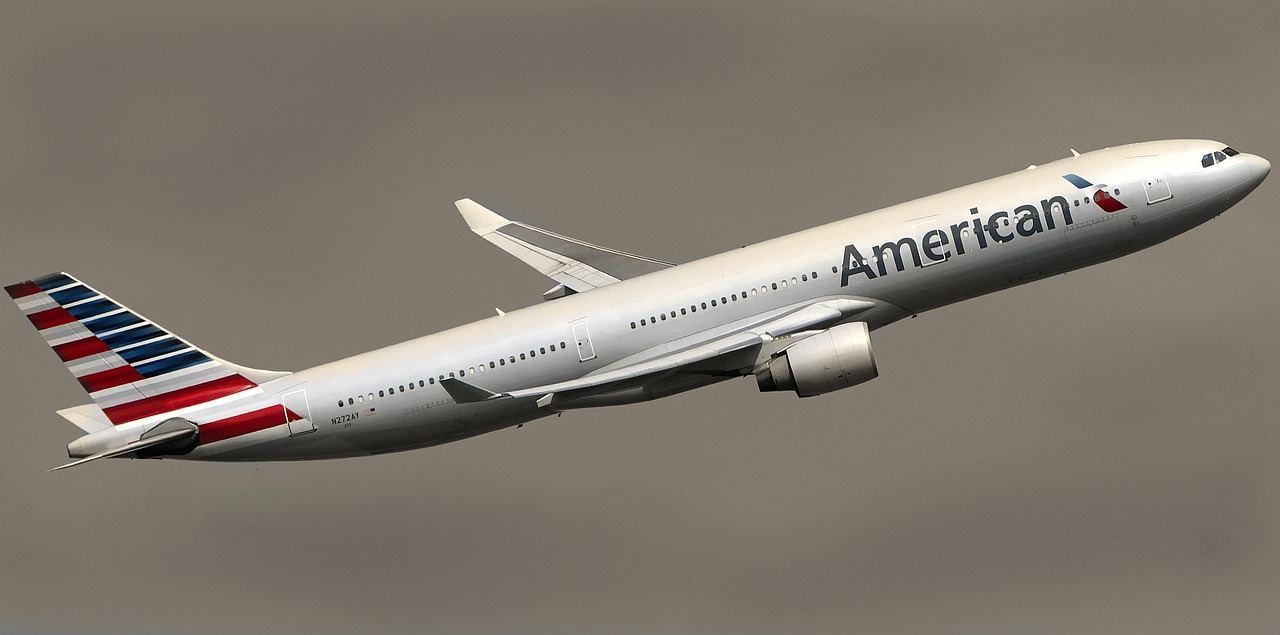
In the early hours of Friday, 14 August 2026, two American Airlines aircraft operating under the same flight identification, AA2482, were simultaneously airborne near Phoenix, Arizona. One flight, arriving from Chicago, and another departing for Chicago, were both communicating with air traffic control on the same radio frequency.
During this period, the arriving flight mistakenly accepted a clearance intended for the departing aircraft, which had been assigned an altitude of 9,000 feet. Fortunately, the actual departing flight promptly alerted the controller to the discrepancy.
Air traffic control swiftly intervened, halting the arrival at 10,000 feet and the departure at 9,000 feet, ensuring the planes maintained the required vertical separation of at least 1,000 feet and horizontal separation of under one mile.
While no loss of separation occurred, the incident prompted the controller to file a Mandatory Occurrence Report, underscoring the critical nature of clear communication in aviation.
Codesharing Drives Flight Number Scarcity
This communication close call brings into focus an unusual, yet significant, operational dilemma confronting major airlines globally: a shortage of four-digit flight numbers. Carriers such as American Airlines, Delta Air Lines, and United Airlines are increasingly encountering this limitation. The primary driver behind this scarcity is the proliferation of codeshare agreements.
Under these arrangements, an airline assigns its own flight number to services operated by partner carriers, vastly expanding the number of 'flights' that require a unique identifier under its brand. American Airlines, for instance, operates between 6,500 and 7,000 flights daily during peak summer periods; its busiest day in summer 2026, 17 July, saw 6,995 flights.
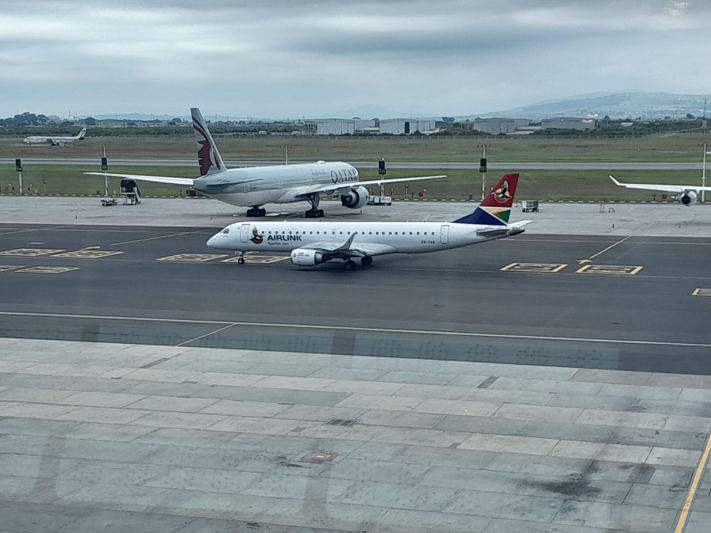
However, the requirement to apply its flight number to partner-operated services, such as flights from Doha to various cities in India and Pakistan, or services operated by Alaska Airlines, means the actual demand for unique AA flight numbers exceeds the 9,999 available four-digit combinations.
Legacy Systems Impede Solutions
Addressing the flight number shortage presents a considerable technical hurdle for airlines. American Airlines' Senior Vice President of Network Planning, Brian Znotins, acknowledged this challenge in an employee meeting approximately two years prior, a recording of which was reviewed by View From The Wing.
Znotins explained that the airline's existing operational systems, many of which originated in the 1960s, make it immensely difficult to implement fundamental changes, such as adding a fifth digit to flight numbers. He likened the situation to a 'Y2K issue' due to the deep integration of two-letter airline codes and four-digit flight numbers across various platforms.
This issue is primarily confined to a few of the world's largest carriers, as smaller airlines do not operate at a scale that exhausts the four-digit numbering capacity.
Operational Adjustments and Future Outlook
To manage the limited flight number pool, airlines frequently assign the same flight number to multiple services on a given day, often for 'out and back' routes, assuming the aircraft will not be airborne concurrently.
The Phoenix incident highlights the risks when operational delays disrupt these assumptions, leading to two identically numbered flights occupying the same airspace and frequency. While American Airlines typically uses AA2482 for a same-aircraft turnaround, the delay meant a different aircraft was used for the return segment, creating the conflict.
Industry observers suggest that in such scenarios, the airline should re-file the flight identification for the departing aircraft before pushback, perhaps to a number like 'American 8248', or alert air traffic control sectors to the presence of duplicate call signs.
Air traffic control itself can temporarily assign alternative call signs to mitigate immediate risks, but the broader systemic challenge of flight number limitations for global carriers persists, demanding long-term solutions for air traffic management and operational safety.
Get The Post.
The global travel stories that matter, three mornings a week. Free.