American Airlines 737 Tyres Burst During O'Hare Landing
An American Airlines Boeing 737-800 experienced dual tyre failures during landing at Chicago O'Hare. All passengers disembarked safely; the FAA is investigating.
Tyre Failures Reported on Chicago O'Hare Arrival
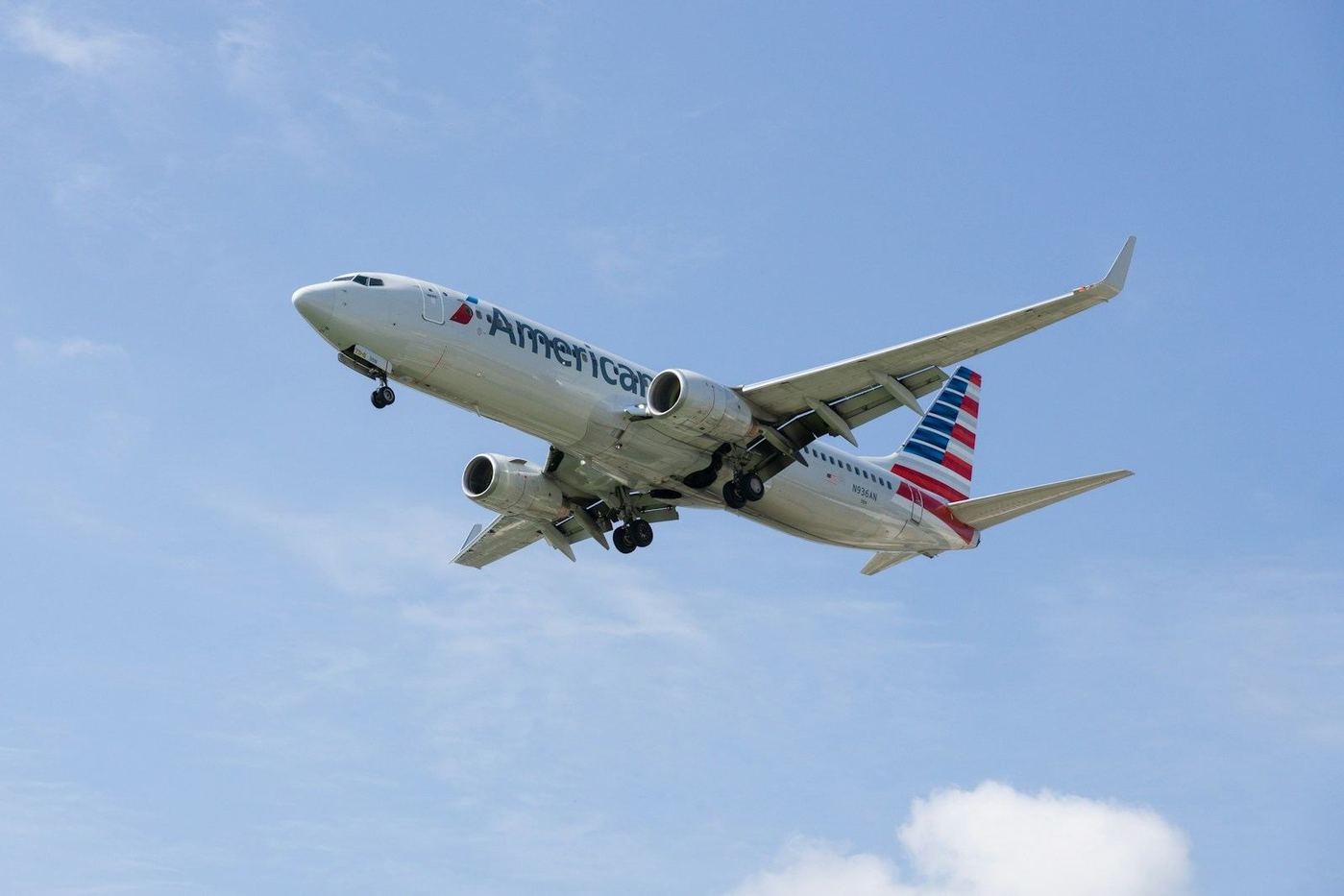
An American Airlines Boeing 737-800 experienced two tyre failures during its landing at Chicago O'Hare International Airport on Monday, 17 August 2026. The aircraft, operating as American Flight 386, was concluding its scheduled service from New York-LaGuardia when the incident occurred around 2 p.m. local time. The crew reported the dual tyre burst upon arrival.
Critically, all passengers onboard disembarked without any reported injuries. This outcome highlights the effectiveness of emergency procedures. Such occurrences, though uncommon, necessitate immediate and comprehensive responses from both the airline and airport authorities to secure the aircraft and ensure passenger welfare.
The safe deplaning process was a primary focus following the unexpected event on the runway. The specific Boeing 737-800 involved has been removed from active service for detailed inspection and assessment.
Immediate Response and Airline Statement
Following the incident, passengers safely deplaned the aircraft via stairs directly onto the tarmac. They were subsequently transported by bus to the terminal building at O'Hare. American Airlines issued a statement acknowledging the event. The carrier thanked its team members for their professionalism during the situation.
American Airlines also extended an apology to its customers for the inconvenience and disruptions they experienced. The swift evacuation and transfer of passengers are standard protocols designed to minimise further risk and ensure comfort after an unplanned event. The Federal Aviation Administration (FAA) has commenced an investigation into the tyre failures.
This inquiry will examine the circumstances leading to the incident. Removing the aircraft from service allows for a thorough examination, preventing its use until deemed fully airworthy. This immediate action demonstrates adherence to aviation safety standards.
FAA Investigation Underway
The Federal Aviation Administration (FAA) is currently investigating the dual tyre failures. This investigation will seek to determine the precise cause of the incident. Factors such as runway conditions, aircraft maintenance history, and operational procedures will likely be reviewed.
Tyre failures during landing, while infrequent, can result from various issues, including excessive braking, foreign object debris on the runway, or structural fatigue. For Chicago O'Hare, a major international hub, such an event can cause temporary operational adjustments.
While the source does not detail specific delays, runway closures for inspection and aircraft recovery are common following such incidents. This can lead to minor disruptions for other flights operating at the airport. The process of moving the disabled aircraft and inspecting the runway for debris is critical for resuming normal operations safely.
Broader Implications for Airline Operations
The grounding of the Boeing 737-800 for investigation impacts American Airlines' operational fleet. While a single aircraft removal may not significantly alter a large carrier's schedule, it necessitates adjustments to fleet deployment. Airlines typically maintain spare aircraft or have contingency plans for such events to minimise service interruptions.
This incident underscores the continuous focus on aircraft maintenance and safety protocols within the aviation industry. Regular inspections and adherence to manufacturer guidelines are crucial for preventing mechanical issues.
The FAA's findings will provide valuable data for American Airlines and the wider industry, potentially informing future maintenance practices or operational adjustments. Passenger safety remains the paramount concern for airlines and regulators alike, driving rigorous oversight of all flight operations.
Get The Post.
The global travel stories that matter, three mornings a week. Free.