American Airlines Flight Diverts After Laptop Fire Injures Multiple Passengers
An American Airlines flight from Atlanta to Dallas Fort Worth made an emergency landing on 21 August 2026. A laptop fire in the cabin injured four to five passengers, requiring medical assistance at DFW.
Emergency Landing After Inflight Fire
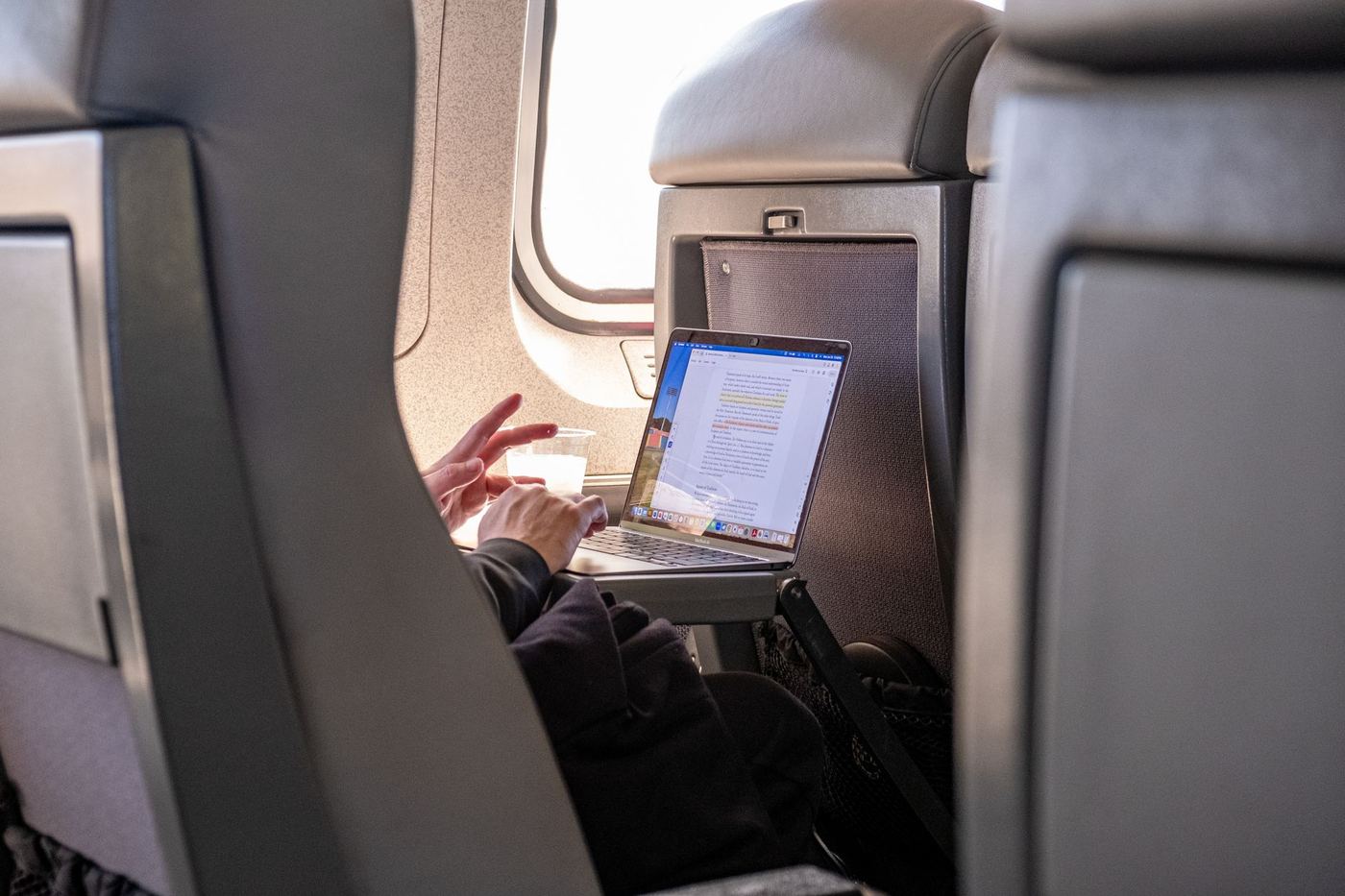
An American Airlines flight from Atlanta to Dallas Fort Worth conducted an emergency landing on 21 August 2026. Flight AA-2398, an Airbus A321 carrying 133 people, diverted to Dallas Fort Worth International Airport (DFW) after a passenger's laptop caught fire within the cabin. The incident occurred as the aircraft approached its destination.
Four to five passengers, including the device owner, sustained burn injuries. Pilots contacted air traffic control to report the cabin fire. Flight attendants initiated efforts to extinguish the blaze. The crew subsequently requested immediate medical assistance to meet the aircraft upon its arrival at DFW. The flight had departed Atlanta Hartsfield around 5:20 pm.
The fire erupted towards the conclusion of the nearly three-hour journey. The aircraft landed safely and taxied to Terminal C, where airport fire services were on standby.
Crew's Swift Response
Pilots aboard American Airlines flight AA-2398 promptly communicated the emergency to Dallas Fort Worth air traffic control. One pilot informed controllers, stating, "We're hustling down now," and described a "cabin fire in the back of the airplane." The pilot further reported that flight attendants were actively attempting to extinguish the flames.
This urgent declaration of an inflight emergency mobilised ground services. Shortly after the initial report, the flight crew confirmed the fire was under control. However, they reiterated the need for medical teams to attend to injured passengers immediately upon landing. This rapid communication and decisive action ensured ground support was ready.
The aircraft's safe landing at Terminal C demonstrated effective crew coordination under duress. Airport fire service personnel were positioned at the gate when the Airbus A321 arrived.
Lithium Battery Safety Concerns
This incident represents the latest in a series of events involving overheating electronic devices powered by lithium batteries. Such occurrences highlight ongoing safety concerns within the aviation industry. Airlines have recently implemented stricter regulations regarding the use and storage of power banks.
These devices pose a significant threat and are generally forbidden from overhead bins or checked luggage. Laptops and mobile phones also present safety challenges at cruising altitudes. American Airlines flight attendants carry specialised containment bags for overheating electronics.
These bags are airtight, depriving any fire of oxygen, and contain a gel that rapidly cools and smothers a device. If a containment bag is unavailable, the Federal Aviation Administration (FAA) advises dousing and then submerging the electronic device in water. This method effectively combats lithium battery fires.
Traveller Guidelines and Future Implications
Passengers are encouraged to keep all electronic devices, particularly power banks, readily accessible throughout flights. Swift identification of an overheating device allows for quicker containment before a fire ignites. Current guidelines strictly prohibit power banks from being placed in overhead bins or checked into hold luggage.
While laptops are generally permitted in overhead compartments, vigilance remains crucial. This incident reinforces the importance of adhering to airline safety protocols for personal electronic devices. Travellers should familiarise themselves with these rules, as they are designed to mitigate risks associated with lithium-ion batteries.
The aviation industry continues to refine procedures and educate passengers. This ensures enhanced inflight safety amidst the growing prevalence of portable electronics. Airlines may introduce further specific guidance on laptop storage or usage if such incidents continue to rise.
Get The Post.
The global travel stories that matter, three mornings a week. Free.