American Airlines Reinstates Seatback Displays Amid Crew Concerns
American Airlines is bringing back seatback entertainment systems on most narrowbody aircraft, a move met with apprehension by some flight attendants despite potential operational advantages for cabin management.
American Airlines Reverses Previous Strategy
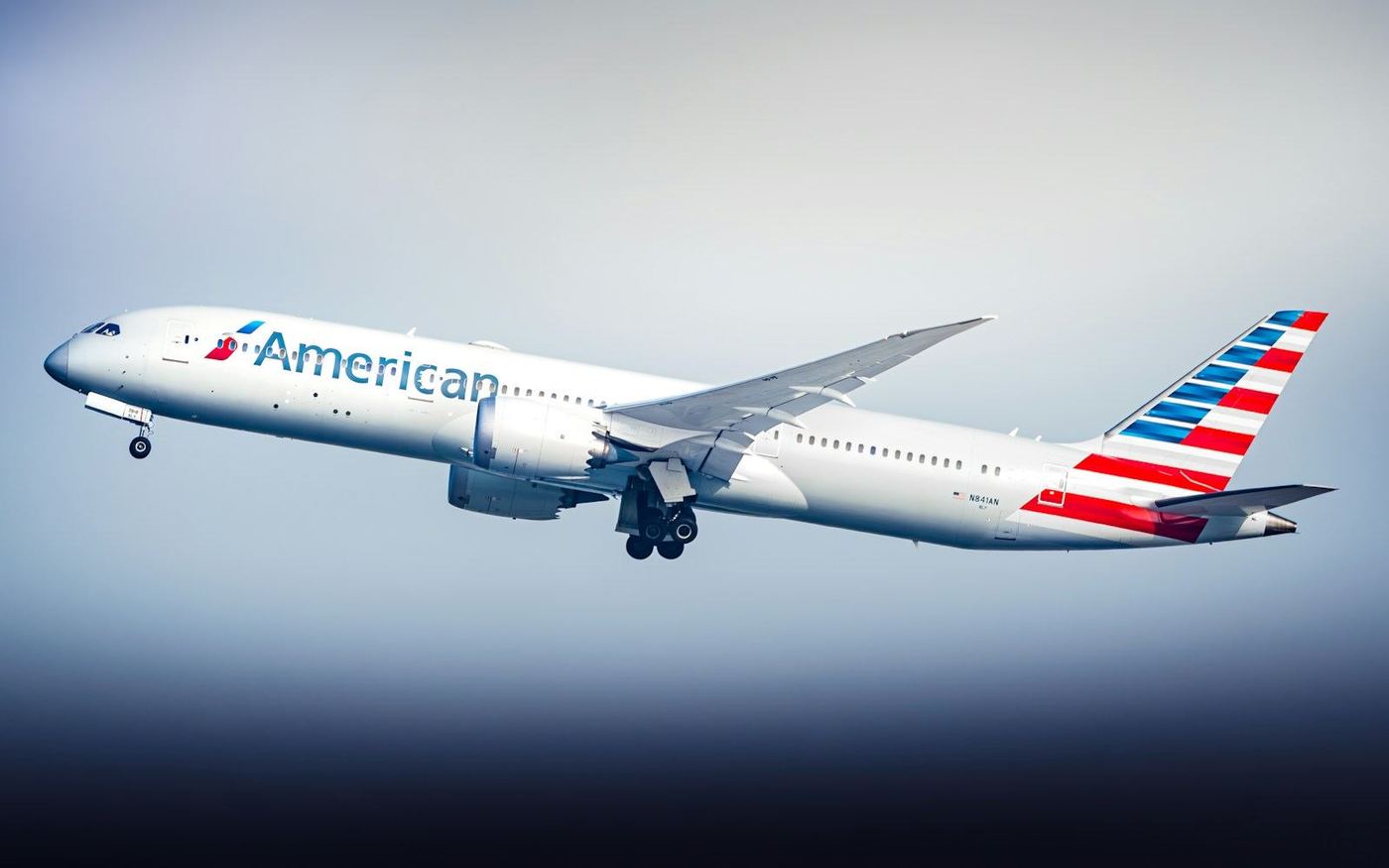
American Airlines has confirmed plans to reintroduce seatback entertainment screens across the majority of its narrowbody fleet. This reverses a 2017 decision to remove such systems for cost efficiency. The airline's previous strategy, under former CEO Doug Parker, reportedly even avoided adding seat power to aircraft.
This latest investment, announced on 19 August 2026, complements other passenger-focused upgrades, including the installation of Starlink Wi-Fi on approximately half of American's aircraft. While passengers generally welcome these amenities, some flight attendants have voiced concerns.
Crewmembers, who had previously criticised the removal of screens, now express apprehension about their return. Their primary worries include equipment malfunction, increased passenger complaints regarding non-operational units, and the additional burden of troubleshooting these systems, potentially leading to flight delays.
Operational Realities and FAA Guidance
Despite crew concerns, American Airlines states that non-functional seatback screens will not typically cause flight delays or ground aircraft. Federal Aviation Administration (FAA) guidance categorises entertainment systems as passenger convenience equipment, meaning they do not affect airworthiness.
Airlines can address such issues through approved deferral procedures, which involve rebooting, deactivating, or placarding faulty units for later repair. This approach prevents aircraft from being held at the gate over a broken screen. Major US carriers like Delta Air Lines, United Airlines, and JetBlue Airways already manage extensive fleets equipped with seatback displays.
While JetBlue's on-time performance is sometimes lower than American's, this is not attributed to its entertainment systems.
Benefits for Cabin Operations and Passenger Comfort
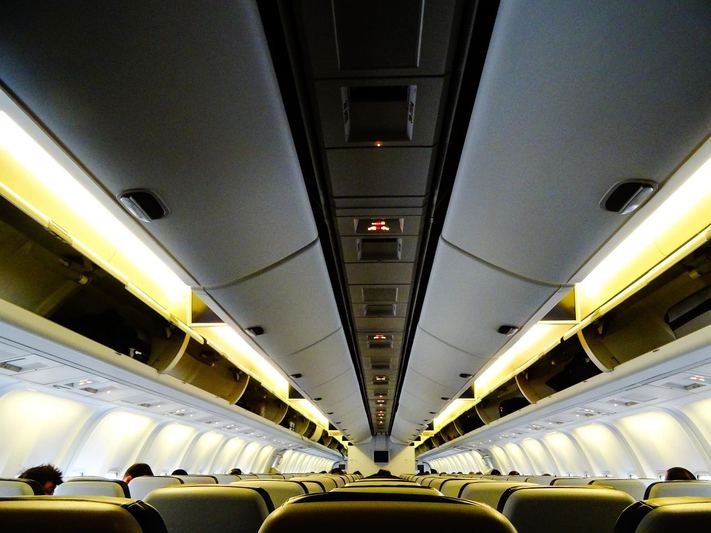
The reintroduction of seatback screens is expected to simplify cabin management for flight attendants. Occupied passengers, particularly children and nervous flyers, tend to be less demanding. In-flight entertainment reduces boredom and stress, thereby decreasing passenger interaction requests for items like drinks or snacks from the galley.
Screens also provide moving maps, answering common passenger queries about flight progress and remaining travel time. Furthermore, these systems allow American Airlines to reintroduce video safety briefings for most mainline domestic flights, eliminating the need for flight attendants to perform manual, synchronised demonstrations in the aisle.
This frees crewmembers to focus on other aspects of passenger service and safety. The screens also provide a platform for advertising credit cards, potentially assisting flight attendants in earning commissions from completed applications.
Broader Strategic Investments and Cultural Shifts
The return of seatback entertainment is part of a wider strategic investment by American Airlines, extending beyond in-flight televisions. The airline is increasing premium seating options, upgrading airport facilities and lounges, and enhancing food service.
These improvements, alongside the Starlink Wi-Fi installation, represent significant capital outlays aimed at improving passenger engagement. However, to fully realise the value of these investments, a cultural shift within the airline's employee base is deemed necessary.
Some crewmembers' initial scepticism about the screens, despite their potential benefits, shows a deeper issue regarding internal communication and employee engagement within American Airlines. This suggests that while the physical product is improving, fostering a more positive and aligned employee culture remains a critical objective for the airline.
Implications for American Airlines and Travellers
For American Airlines, this strategic pivot demonstrates a commitment to enhancing passenger amenities, aligning its product more closely with competitors like Delta and United. The airline previously faced internal criticism from employees who, as recently as six months ago, felt the removal of screens left them solely responsible for the passenger product.
The reintroduction of screens should alleviate some of this pressure and contribute to a more competitive offering. Travellers can anticipate a more engaging and self-sufficient in-flight engagement on American's narrowbody aircraft, with access to entertainment and information. This move could improve passenger satisfaction and potentially reduce common cabin disruptions.
The success of this investment, however, will hinge on American Airlines effectively addressing employee concerns and fostering a culture that embraces, rather than resists, these operational enhancements.
Get The Post.
The global travel stories that matter, three mornings a week. Free.