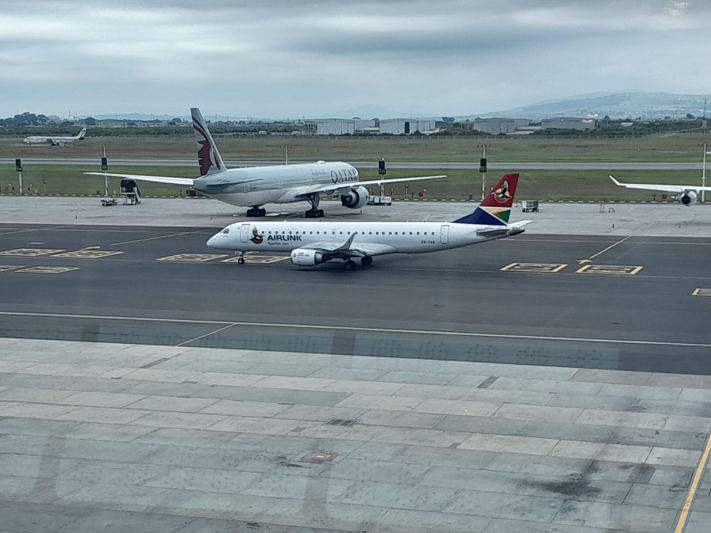
American Eagle Embraer E175 Declares Fuel Emergency After Multiple Missed Approaches
An American Eagle Embraer E175 operating Flight AA3927 declared a fuel emergency on Tuesday, 11 August 2026, after severe thunderstorms forced three consecutive aborted landings at two Kentucky airports. The aircraft ultimately diverted to Evansville, Indiana, with critically low fuel reserves.
Emergency Declaration Follows Severe Weather Diversions
An American Eagle Embraer E175 regional jet, operating as Flight AA3927 under the Envoy Air brand, declared a general emergency on Tuesday, 11 August 2026, after encountering severe thunderstorms that necessitated three missed approaches.
The aircraft, which had departed Dallas/Fort Worth International Airport (DFW) en route to Blue Grass Airport (LEX) in Lexington, Kentucky, ultimately landed at Evansville Regional Airport (EVV) in Indiana with approximately 30 minutes of fuel remaining.
The incident unfolded as the flight crew contended with adverse weather conditions across multiple locations, leading to a significant deviation from its planned route and a critical fuel situation.
The Federal Aviation Administration (FAA) has since announced an investigation into the matter, according to a report from NTD, examining the circumstances that led to the emergency declaration.
Consecutive Aborted Landings in Kentucky
Flight AA3927, a 76-seater Embraer E175 (registered N285NN), initially aborted its approach to Lexington's Runway 22 at an altitude of approximately 2,200 feet due to deteriorating weather conditions. Instead of entering a holding pattern, the pilots opted to divert to Louisville Muhammad Ali International Airport (SDF), located around 70 miles away, as the designated alternate.
However, stormy weather persisted, forcing the aircraft to abort a second landing attempt on SDF's Runway 35R, reaching an altitude below 600 feet before initiating a go-around. A third attempt to land on Louisville's parallel Runway 35L was also called off at around 1,500 feet.
Following this third go-around, with the aircraft having been airborne for an extended period, the flight crew squawked the emergency code 7700, indicating a general emergency.
Critical Fuel Reserves Lead to Urgent Landing
With the Embraer E175 now flying for approximately two hours and 40 minutes, exceeding its planned duration by over 30 per cent, fuel reserves became critically low. One of the pilots communicated to air traffic control (ATC) that they had "no fuel for a go-around" and requested the runway at Evansville be kept clear.
ATC instructed the flight to proceed to Evansville Regional Airport (EVV), situated around 100 miles from Louisville. The regional jet landed safely on EVV's Runway 22 approximately three hours after its departure from Dallas.
Commercial aviation regulations require aircraft to carry sufficient extra fuel for potential delays, holding patterns, and diversions to alternate airports, with a final reserve typically amounting to 45 minutes of fuel for US domestic flights.
Aftermath and Industry Implications
Passengers on Flight AA3927 were not stranded for long in Evansville. Tracking data shows the Embraer E175 was refuelled at EVV, then operated a 30-minute flight back to Lexington to complete its original itinerary.
Subsequently, the aircraft performed its scheduled return service to Dallas, departing Lexington at 8:47 PM against a scheduled 5:44 PM departure, resulting in an overall delay of just over three hours.
This incident occurred amidst a broader period of adverse weather affecting the eastern United States on 11 August 2026, which also caused delays at major aviation hubs including Atlanta, Charlotte, Chicago O'Hare, and Washington Dulles.
The ongoing FAA investigation will scrutinise operational procedures and decision-making during severe weather, potentially influencing future flight planning and fuel management protocols for regional carriers.
Get The Post.
The global travel stories that matter, three mornings a week. Free.