Bahamas Boosts US Air Links, Diversifies Winter Tourism
The Bahamas Ministry of Tourism announced new flights from US cities including Miami, Raleigh-Durham, and Austin, alongside a range of cultural and sporting events for the 2026–2027 winter season.
Bahamas Expands US Air Connectivity
The Bahamas Ministry of Tourism revealed an expanded programme of air services and cultural events on 5 November 2026, designed to strengthen access from major United States gateways for the 2026–2027 winter season and into summer 2027.
This initiative aims to diversify visitor appeal beyond traditional beach holidays, promoting a broader range of activities across the archipelago. Among the initial additions, Tradewind Aviation will introduce daily non-stop flights between Fort Lauderdale-Hollywood International Airport and Nassau’s Lynden Pindling International Airport from 10 December 2026.
This approximately 48-minute service forms part of a reported 30% expansion of the airline’s overall Bahamas flight schedule, enhancing regional premium air transportation for travellers connecting through South Florida or visiting private villas and boutique resorts.
American Airlines Adds Exuma Frequency
American Airlines plans to operate three daily non-stop flights between Miami International Airport and Exuma International Airport. This increased frequency will run from 17 December 2026 through 5 April 2027, providing travellers with greater flexibility during the peak Christmas, New Year, and spring travel periods.
Exuma, known for its beaches and sandbars, has also developed a substantial market for boating, private accommodation, luxury villas, and marine excursions. The additional airline capacity could support these businesses, contingent on whether local airport operations, ground transportation, and services can accommodate the resulting demand for their offerings.
New Routes from North Carolina and Texas
Further expanding its US network, Breeze Airways has announced twice-weekly non-stop flights between Raleigh-Durham International Airport and Nassau, commencing 30 June 2027. These services will operate on Wednesdays and Saturdays, complementing the airline’s existing twice-weekly Tampa–Nassau route.
This new connection introduces a direct link from North Carolina’s Research Triangle region, opening access to a metropolitan market with business, university, and leisure travel demand.
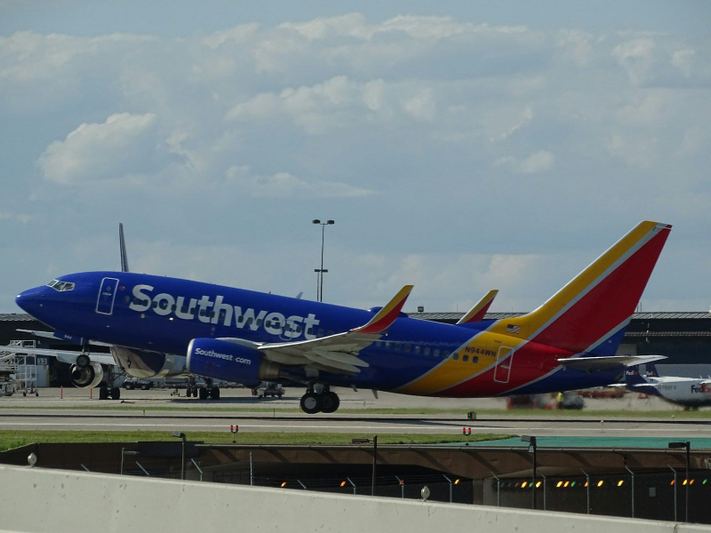
Additionally, Southwest Airlines plans to launch twice-weekly weekend flights from Austin-Bergstrom International Airport to Nassau during June and July 2027, creating a seasonal non-stop connection from the Texas capital. Tickets for these services are already available, according to the tourism ministry.
Expanded Cultural and Sporting Calendar
Beyond air connectivity, the Bahamas is promoting a diverse calendar of cultural, culinary, and sporting events to attract visitors. Highlights include Nassau’s Junkanoo parades and an Andrea Bocelli New Year’s Eve concert.
Sporting events for November include the Bahamas Bonefishing Tournament Championship from 10–15 November and the Abaco Beach Resort Pickleball Tournament from 13–15 November, with Run Bahamas scheduled for January 2027. Culinary enthusiasts can attend TASTE of Grand Bahama Island on 14 November.
The archipelago is also promoting new accommodation, such as a new boutique resort on Stocking Island, Exuma, alongside international recognition for Bimini and the remote attractions of Rum Cay, aiming to broaden visitor appeal beyond standard beach holidays.
Implications for Global Travel and Asian Markets
The expansion of air links and tourism offerings provides enhanced accessibility and a more varied product for travellers to the Bahamas, particularly from the US. For the industry, this represents a strategic drive to distribute tourism benefits across the archipelago, connecting major hubs with less-visited islands.
While these new routes do not directly involve Asian carriers or destinations, the increased connectivity from diverse US gateways offers more options for Asian travellers connecting through US hubs en route to the Caribbean.
Furthermore, this strategy of diversifying source markets and developing niche tourism products, such as cultural and sporting events or promoting remote islands, could serve as a model for long-haul destinations in Southeast Asia or the Pacific seeking to broaden their appeal and reduce reliance on single markets.
Get The Post.
The global travel stories that matter, three mornings a week. Free.