Southwest 737 MAX Flew 44 Times With Undetected Storm Damage
A National Transportation Safety Board report, released on 5 November 2026, revealed a Southwest Boeing 737 MAX 8 completed dozens of flights after a May 2024 thunderstorm caused tail damage.
NTSB Details Undetected Damage
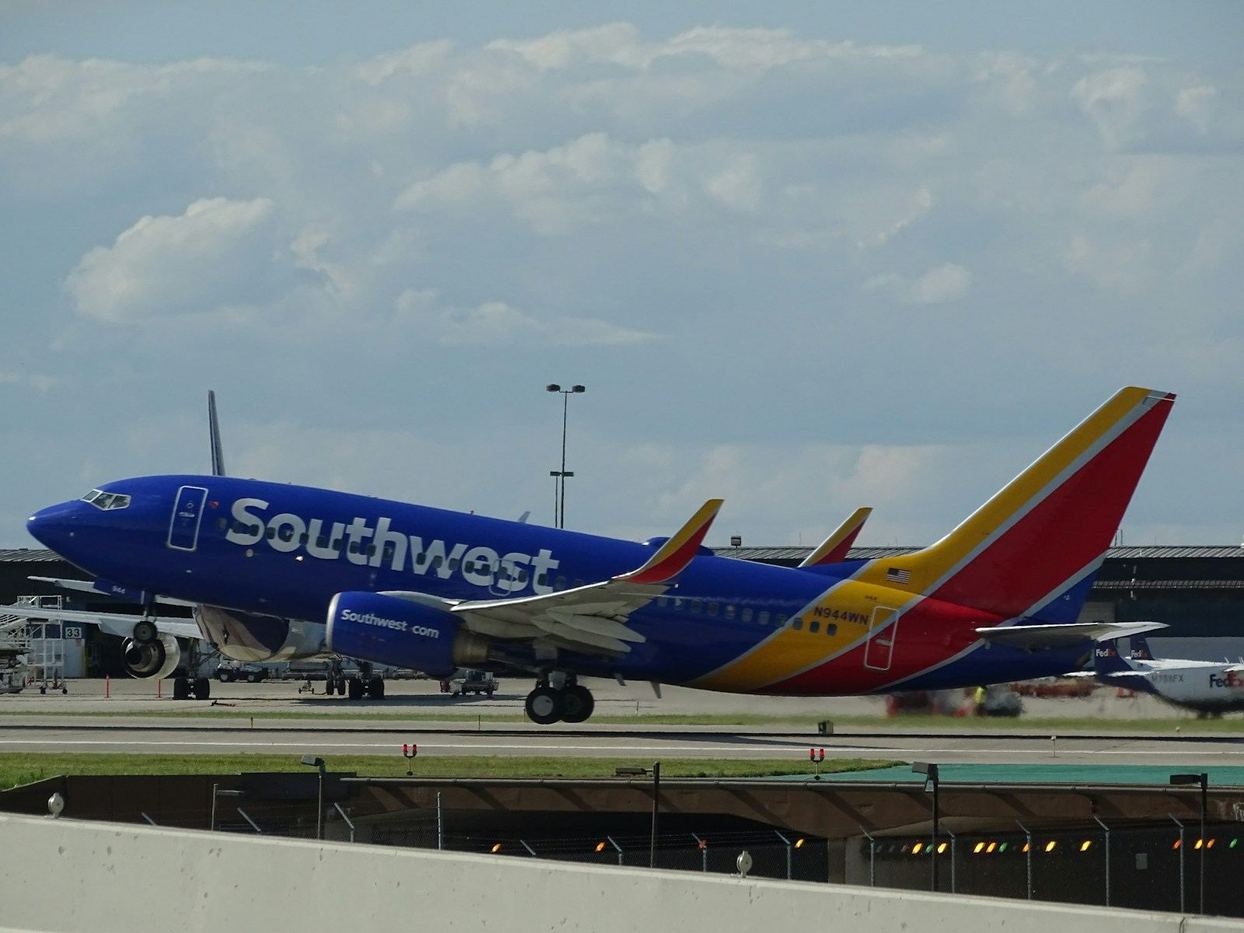
The National Transportation Safety Board (NTSB) disclosed in its final report, published on Thursday, 5 November 2026, that a Southwest Airlines Boeing 737 MAX 8 aircraft performed 44 flights while carrying undetected tail damage. Investigators traced the damage to a thunderstorm on the night of 16 May 2024, when the jet was parked in New Orleans.
Gusts reached approximately 73 knots (84 mph), which likely caused structural harm to the vertical stabiliser's internal ribs, where the standby rudder control unit is mounted. This issue led to the unit operating abnormally, though it remained unnoticed through subsequent flights and a scheduled maintenance check.
The problem only came to light on 25 May 2024, following unexpected rudder movements during Southwest flight 746 from Phoenix to Oakland, California. All 175 passengers and six crew members were unharmed, but the aircraft, registered N8825Q, sustained substantial damage.
Lapses in Maintenance and Alert Protocols
The NTSB's investigation revealed several factors contributing to the damage remaining undetected. Boeing's 737 maintenance manual, at the time of the incident, required a special inspection after extreme wind events but did not specify a wind speed threshold for such checks. Instead, it listed general indicators like aircraft movement over wheel chocks.
Furthermore, Southwest Airlines lacked a formal process to inform maintenance control when a parked aircraft had been exposed to severe winds. The aircraft subsequently flew without the necessary storm inspection. A scheduled maintenance check performed in Houston on 23 May 2024, which included a test of the standby hydraulic system, also failed to identify the problem.
Hangar video showed the rudder moving only to the right during the test, yet the procedure was signed off as passed, with investigators noting no one was positioned at the tail to verify full rudder movement.
Industry Responds with Revised Procedures
In response to the NTSB's findings, both Southwest Airlines and Boeing have implemented significant changes to their operational and maintenance protocols. Southwest has introduced new procedures for alerting maintenance control about extreme wind exposure and now requires individual mechanic sign-offs for hydraulic tests, ensuring greater accountability.
Boeing has also revised its 737 maintenance manual to mandate special inspections for aircraft exposed to winds exceeding 65 knots (75 mph). Following the incident, Southwest conducted inspections across its entire 737 MAX fleet for similar damage but reported no further issues.
These revisions aim to prevent future occurrences of undetected weather-related damage and reinforce safety standards across the airline's operations.
Global Implications for Aviation Safety
This incident reveals the critical need for comprehensive and clearly defined maintenance procedures, particularly concerning environmental factors such as severe weather. For Asian carriers and regulators, operating in diverse geographical regions prone to typhoons, monsoons, and other extreme weather phenomena, the NTSB's findings offer a pertinent case study.
Airlines across Asia may consider reviewing their own maintenance manuals and internal protocols to ensure they include specific wind speed thresholds for inspections and robust communication channels between operations and maintenance teams regarding weather exposure.
Proactive measures in this area are vital for maintaining the highest safety standards, protecting assets, and upholding passenger confidence in a region with rapidly expanding air travel.
Get The Post.
The global travel stories that matter, three mornings a week. Free.