Bangkok Flooding Disrupts Suvarnabhumi, Don Mueang Airports
Unprecedented rainfall declared all 50 districts disaster zones, impacting Thai Airways operations and prompting several airlines to offer flight changes for affected travellers.
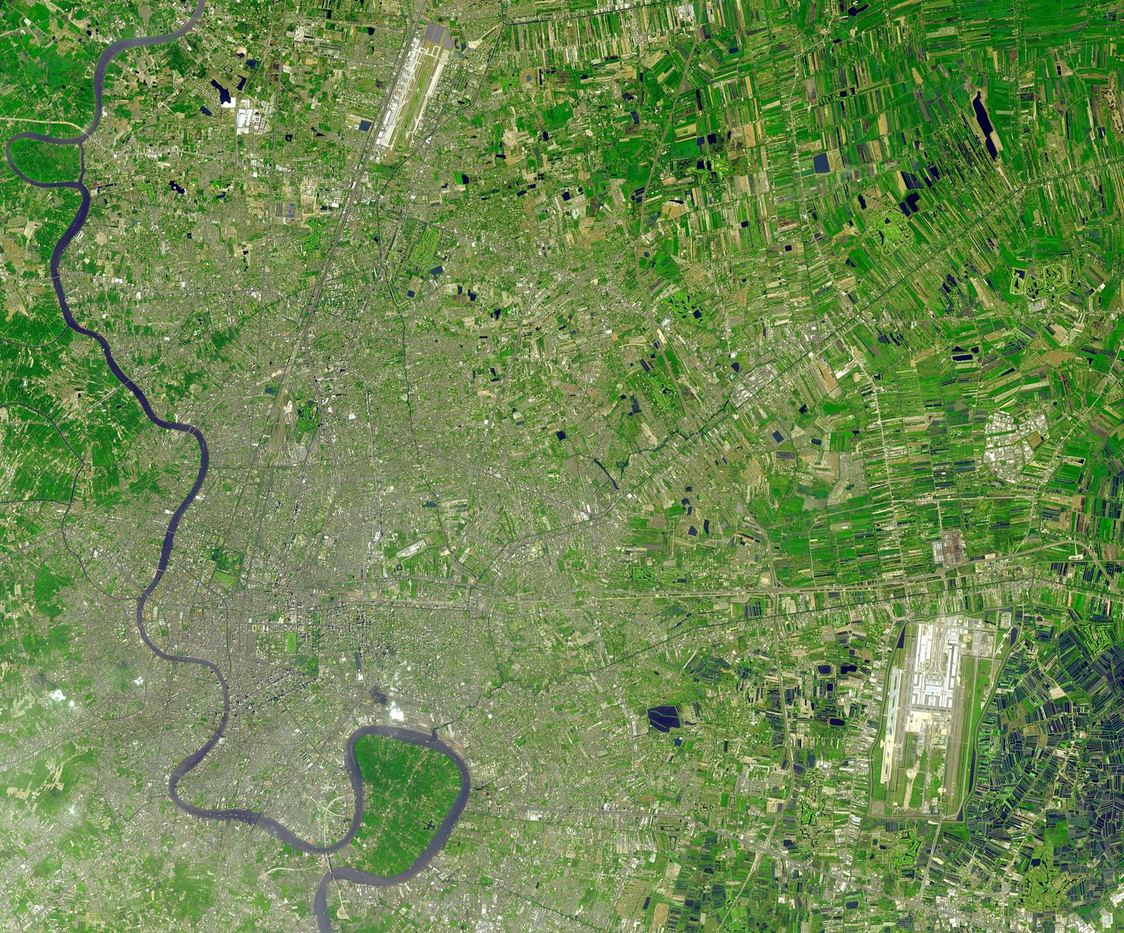
Bangkok Declares Flood Disaster Zones
Bangkok's metropolitan administration officially designated all 50 of the city's districts as flood disaster zones on 26 September, following a period of unprecedented rainfall that commenced two days prior. The Thai capital experienced record-breaking downpours starting on 24 September, with nearly 300mm of rain falling across the city within a 48-hour period over the weekend.
This widespread inundation led to significant disruptions across urban infrastructure and services. While floodwaters have begun to recede in many areas, particularly in the northern and eastern districts and communities adjacent to canals, ground routes across the city may remain impassable, posing ongoing challenges for residents and travellers.
Airport Operations Face Manpower and Catering Issues
Despite the severe weather, both Suvarnabhumi Airport (BKK) and Don Mueang International Airport (DMK) maintained flight operations. However, ground transport and terminal services at both hubs experienced considerable challenges.
Specifically, submerged access roads to Suvarnabhumi Airport on 26 and 27 September prevented ground handling personnel from reaching their posts, resulting in acute staff shortages at Thai Airways check-in desks and baggage handling areas.
In-flight catering was also affected, as floodwaters blocked delivery trucks, forcing several flights to operate without their standard hot meal service. In response, Airports of Thailand collaborated with Thai Airways to deploy emergency backup staff, repair damaged luggage carts, and implement enhanced tracking for lost-and-found items.
Broader Travel Industry Grapples with Disruptions
The impact of the flooding extended beyond airport perimeters, affecting hotels, event venues, and food and beverage establishments across Bangkok. Widespread staffing shortages arose from commuter disruptions and residents being confined to their homes by floodwaters, leading many retail outlets and dining establishments to either suspend operations or close early.
Public events were also impacted, with the Bangkok Flower Festival, originally scheduled for 18 to 27 September, cancelling its activities for 26 and 27 September. Furthermore, the Thai prime minister declared 28 and 29 September as government holidays, resulting in school closures.
Several airlines, including AirAsia, Nok Air, Thai Lion Air, and Thai Vietjet, offered flight changes and travel credits for passengers affected by the flooding between 26 and 28 September.
Industry Coordination Amidst Ongoing Challenges
Destination Asia Thailand confirmed on Monday morning that it had reached out to clients in or near affected areas to confirm their safety and assist with necessary adjustments to transfers or travel arrangements.
The Association of Thai Travel Agents (ATTA) issued an urgent advisory requesting member agencies to report any tour groups or independent travellers stranded by attractions, flooded highways, or landslide-prone areas, to facilitate coordinated rescue efforts with local authorities.
ATTA president Thanapol Cheewarattanaporn stated in a letter to members that the association is liaising with the Ministry of Tourism to secure emergency financial coordination for verified travel disruptions, covering costs such as flight rebookings, emergency transport, and extended accommodation.
This comes just over two weeks before Bangkok is scheduled to host the IMF-World Bank Group Annual Meetings from 12 to 18 October, underscoring the need for rapid recovery of critical infrastructure in a major Asian hub.
Meteorological reports indicate the low-pressure system is expected to shift eastward towards Kanchanaburi and Chanthaburi provinces today, 29 September, though heavy standing water continues to affect low-lying areas of the capital.
Industry advisors have urged hotel operators to maintain proactive communication with guests regarding airport transfers and road access, highlighting that ground routes can remain impassable even when airports are operational, a key consideration for travel into and out of the city in the coming weeks.
Get The Post.
The global travel stories that matter, three mornings a week. Free.


