Cambodia and Viet Nam Open Khanh Binh-Chrey Thom Land Border Gate
The new Khanh Binh-Chrey Thom international checkpoint connects Cambodia's Kandal and Viet Nam's An Giang provinces, aiming to boost tourism and trade towards a $20 billion bilateral target.
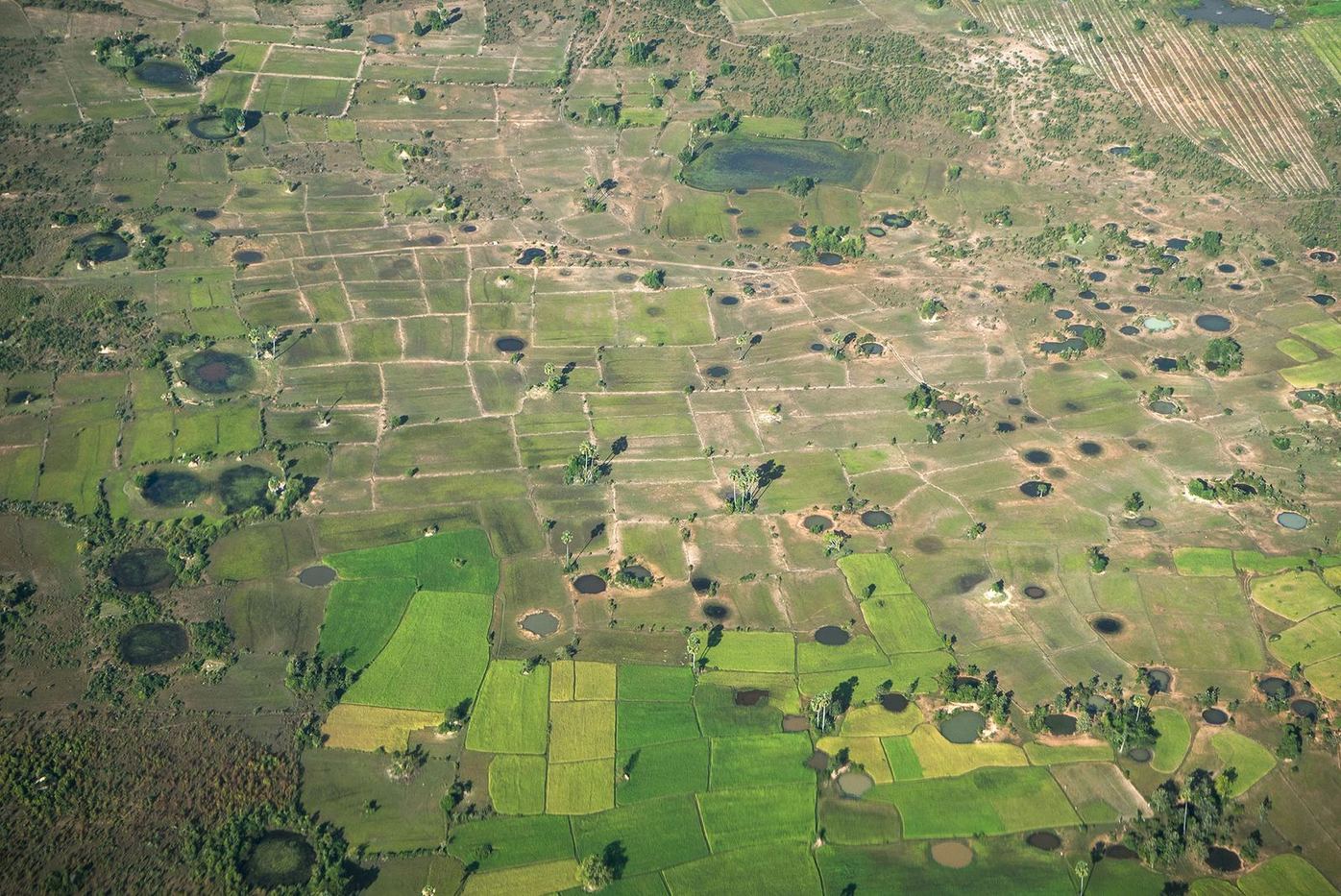
New Gateway Links Kandal and An Giang
Cambodia and Viet Nam officially opened the Khanh Binh-Chrey Thom international land border gate on October 3. This new crossing connects Kandal province in Cambodia with An Giang province in Viet Nam. The move aims to significantly enhance trade, tourism, and cross-border cooperation between the two nations.
Both countries have set a target to achieve $20 billion in bilateral trade, and this new infrastructure is expected to play a vital role in reaching that objective. The opening follows a joint effort to improve connectivity and facilitate easier movement of people and goods across their shared frontier.
Inauguration Ceremony and Official Statements
The inauguration ceremony for the Khanh Binh-Chrey Thom gate took place on October 3, with Kuoch Chamroeun, Governor of Kandal, and Ho Van Mung, Chairman of the An Giang Provincial People’s Committee, presiding.
The Kandal provincial administration stated that the upgrade and opening of this international land border checkpoint demonstrate the “flourishing traditional friendship and comprehensive cooperation” between Cambodia and Viet Nam.
Officials further noted that the new gate will make travel, trade, and overall cooperation more convenient for citizens and international visitors, while also supporting the development of a peaceful and economically prosperous border region.
Trade Volume and Economic Aspirations
The new border gate arrives as Cambodia and Viet Nam continue to strengthen their economic ties. According to the General Department of Customs and Excise (GDCE), bilateral trade between the two nations reached $5.97 billion in the first eight months of 2026, marking a seven percent increase compared to the same period last year.
During this period, Cambodia’s exports to Viet Nam totalled approximately $2.95 billion, while imports from Viet Nam stood at about $3.02 billion.
Socio-economic expert Chey Tech commented that the checkpoint offers an opportunity to increase trade volume, advising Cambodia to thoroughly understand Viet Nam’s market to boost exports of agricultural products such as cashew, rice, rubber, and cassava, ensuring higher value-added benefits for farmers and traders.
Broader Connectivity and Future Outlook
Beyond trade, Chey Tech emphasised the importance of the new gate for people-to-people connectivity, logistics, transportation, and tourism for both domestic and international travellers. He suggested that international tourists could visit Viet Nam and then enter Cambodia through this new gateway.
Kith Meng, Cambodian President of the Chamber of Commerce, has also urged the Cambodian and Vietnamese governments to designate all border checkpoints as international crossings to further facilitate trade, investment, tourism, and movement of people.
This development follows the inauguration of another international border gate, Muen Chey-Tan Nam, between Cambodia’s Prey Veng and Viet Nam’s Tay Ninh, on December 8, 2025, which also aimed to bolster bilateral cooperation.
Implications for Southeast Asian Travel
The opening of the Khanh Binh-Chrey Thom border gate, alongside previous initiatives like the Muen Chey-Tan Nam crossing, directly supports the growing trend of multi-country travel within Southeast Asia.
For international tourists, these new gateways simplify itineraries across the Indochina peninsula, potentially increasing visitor numbers to both Cambodia and Viet Nam by offering more direct and convenient land routes.
For regional travel operators, this expanded infrastructure reduces logistical complexities for cross-border tours and freight, enhancing the efficiency of regional supply chains.
The continued push for more international crossings by industry figures like Kith Meng indicates a strategic regional focus on integrated travel networks, promising further reductions in transit times and improved accessibility across the Mekong sub-region.
Get The Post.
The global travel stories that matter, three mornings a week. Free.


