Breeze Airways Passengers Removed by Police in Maine Amid No-Fly List Threat
Bangor police ordered a group of passengers, including a parent and toddler, off a Breeze Airways flight in Maine, presenting an ultimatum of voluntary departure or arrest and federal no-fly list placement. The authority for such a federal ban by local officers is questioned.
Police Intervention on Breeze Airways Flight
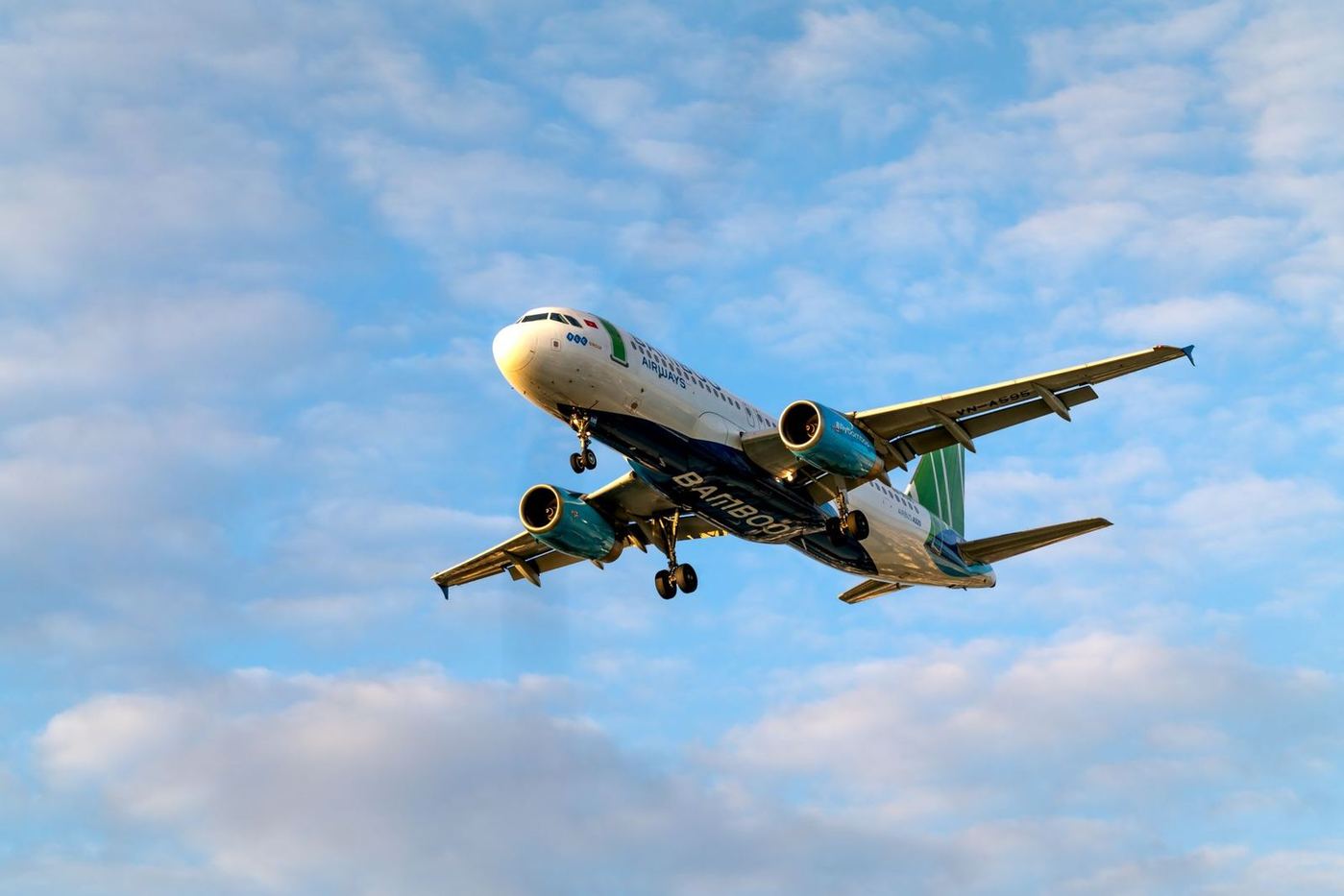
On Saturday, 15 August 2026, law enforcement officers from Bangor, Maine, boarded a Breeze Airways Airbus A220 aircraft, instructing a group of passengers to disembark. The affected group included a parent travelling with a toddler.
According to reports, an officer presented the individuals with a stark choice: either leave the aircraft voluntarily or face arrest and subsequent placement on the federal no-fly list. This incident occurred at Bangor International Airport, a key regional hub in Maine, and involved an aircraft operated by Breeze Airways, a carrier known for its point-to-point services.
The specific flight involved was not definitively identified in initial accounts, though two Breeze Airbus A220 departures from Bangor that Saturday were MX175 to Tampa at 10:06 a.m. and MX2855 to Raleigh, continuing to Orlando, scheduled for 6:44 p.m. The later Raleigh flight is considered more probable given the time required for a police response.
The Disputed Threat of Federal Ban
The officer's directive to the passengers included a specific warning: “And your other option is to get arrested and be on a no-fly list. Then you won’t be flying anywhere, anytime. It’s not worth it.
You might want to just walk off of your own accord right now.” Following this ultimatum, the passengers, comprising four adults and the child, gathered their belongings and left the aircraft. A subsequent video showed them in the terminal alongside Bangor police officers.
A Facebook post detailing the event, published on Sunday, 16 August 2026, asserted that Breeze Airways' customer service had failed to de-escalate the initial dispute, which led to police involvement.
This aspect raises questions about the airline's internal procedures for managing passenger conflicts before they escalate to law enforcement intervention, potentially impacting operational efficiency and passenger relations.
Limits of Local Authority on Federal No-Fly Lists
The credibility of the officer’s threat to place passengers on the federal No Fly List has been questioned. A local police officer in Bangor, Maine, does not possess the authority to unilaterally add individuals to this federal security list, which is maintained by the Transportation Security Administration (TSA).
While local law enforcement can make arrests for various offences, the power to impose a federal no-fly designation rests with federal agencies. At most, a local officer could relay an airline’s decision to ban a passenger from its own services, which is a separate internal list.
The officer’s assertion that the individuals would be barred from “flying anywhere, anytime” therefore appears to overstate the scope of local police jurisdiction in federal aviation security matters. This distinction is crucial for both law enforcement training and public understanding of passenger rights and responsibilities during air travel incidents.
Implications for Travellers and Airline Operations
This incident demonstrates the importance for travellers to understand the differing levels of authority exercised by local law enforcement and federal aviation bodies. When faced with a police order to disembark an aircraft, the recommended course of action for passengers is to comply to avoid immediate arrest.
Any grievances or challenges regarding the legality or appropriateness of the order should be pursued through formal channels with the airline or relevant federal authorities after the immediate situation has been resolved.
For the aviation industry, this event reveals the need for clear communication and established protocols between airlines and local police departments to ensure that interventions on aircraft are conducted within appropriate legal boundaries, particularly concerning federal security measures.
Such clarity helps prevent misrepresentations of authority and reduces distress for passengers, contributing to more consistent and fair application of travel regulations.
Get The Post.
The global travel stories that matter, three mornings a week. Free.