British Airways Flight BA-295 Diverts After Pressurisation Failure
Passengers on British Airways flight BA-295 donned oxygen masks on October 5 as the Boeing 777-200 lost 27,000 feet in under 10 minutes before returning to London Heathrow.
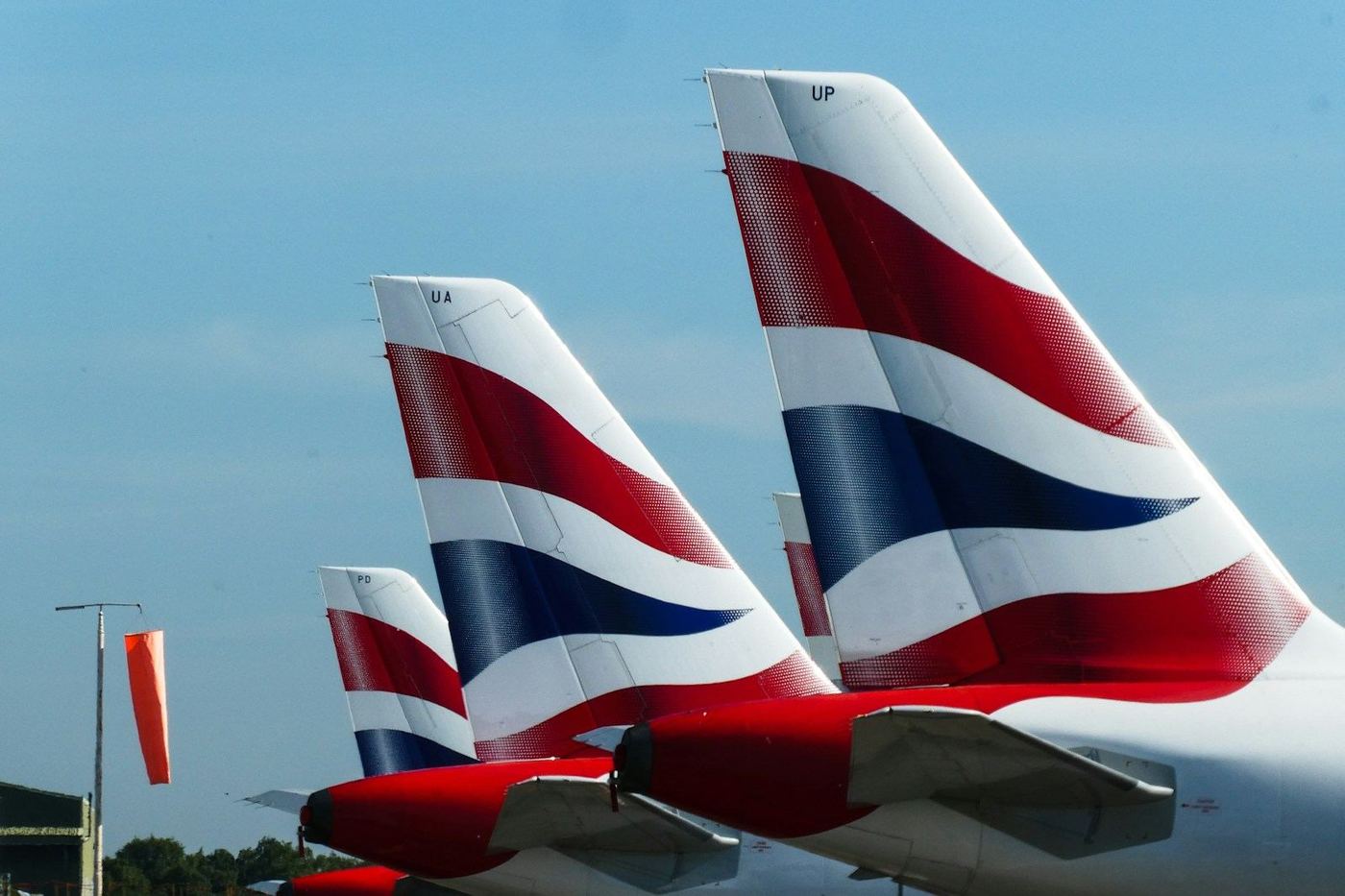
Emergency Descent Over Irish Sea
British Airways flight BA-295, bound for Chicago O'Hare from London Heathrow, encountered a cabin pressurisation malfunction on Monday, October 5. The incident led to oxygen masks deploying and an emergency descent over the Irish Sea.
The Boeing 777-200, registered G-VIIA, was cruising at 36,000 feet when the issue arose, forcing pilots to rapidly drop 27,000 feet in less than 10 minutes. Passengers were instructed to use the supplemental oxygen as the aircraft descended to a safer altitude of 9,000 feet. The flight had departed London Heathrow over an hour behind schedule earlier that day, at approximately 12:14 pm.
Holding Pattern Before Return to Heathrow
Following the rapid emergency descent, the flight crew stabilised the aircraft at 9,000 feet. Instead of an immediate landing, the Boeing 777-200 entered a holding pattern off the coast of South West Britain for over an hour. During this period, the landing gear was extended to increase drag, facilitating the burning of excess fuel.
This procedure was undertaken to reduce the aircraft's weight to within its normal landing parameters, as cabin conditions did not necessitate an overweight emergency landing. The supplemental oxygen system on British Airways' Boeing 777s is designed to provide over an hour of oxygen, ensuring passenger safety during the holding sequence.
Aircraft Details and Airline Response
The aircraft involved in the incident, a 30-year-old Boeing 777-200, is identified as the oldest widebody jet in the British Airways fleet, having been delivered new to the airline in July 1997. British Airways confirmed that the aircraft landed safely back at Heathrow following a technical issue.
A spokesperson for the airline stated that customer and crew safety is their top priority, and highly trained pilots returned the flight. Customers disembarked normally, and British Airways teams are working to rebook their travel plans promptly.
The airline did not disclose the exact number of passengers on board, but the aircraft typically seats 237 across eight First Class, 49 Club World business class, 40 World Traveller Plus premium economy, and 140 World Traveller economy seats.
Compensation and Industry Implications
The technical issue could expose British Airways to significant compensation costs under UK-261 passenger rights regulations. Each of the 237 passengers on flight BA-295 may be eligible for £520 (approximately US$687) in compensation, potentially totalling £123,240, in addition to expenses for hotel accommodation, fuel, and rebooking onto alternative flights.
For Asian carriers, this incident highlights the financial implications of technical malfunctions and the importance of fleet maintenance, particularly for older aircraft.
While passenger compensation rules vary across Asia, the focus on operational reliability and passenger welfare remains a critical consideration for airlines in the region to mitigate both financial liabilities and reputational damage.
Get The Post.
The global travel stories that matter, three mornings a week. Free.


