How One Traveller Saw Solar Eclipse from British Airways Flight for 14,000 Avios, £2.50
Nicky Kelvin, a content director at TPG, successfully viewed a solar eclipse from a British Airways flight earlier this week. The carefully planned trip, from London Gatwick to Malaga, cost 14,000 Avios plus £2.50 in taxes and fees, demonstrating how strategic use of loyalty points and flight data can facilitate unique aerial observations.
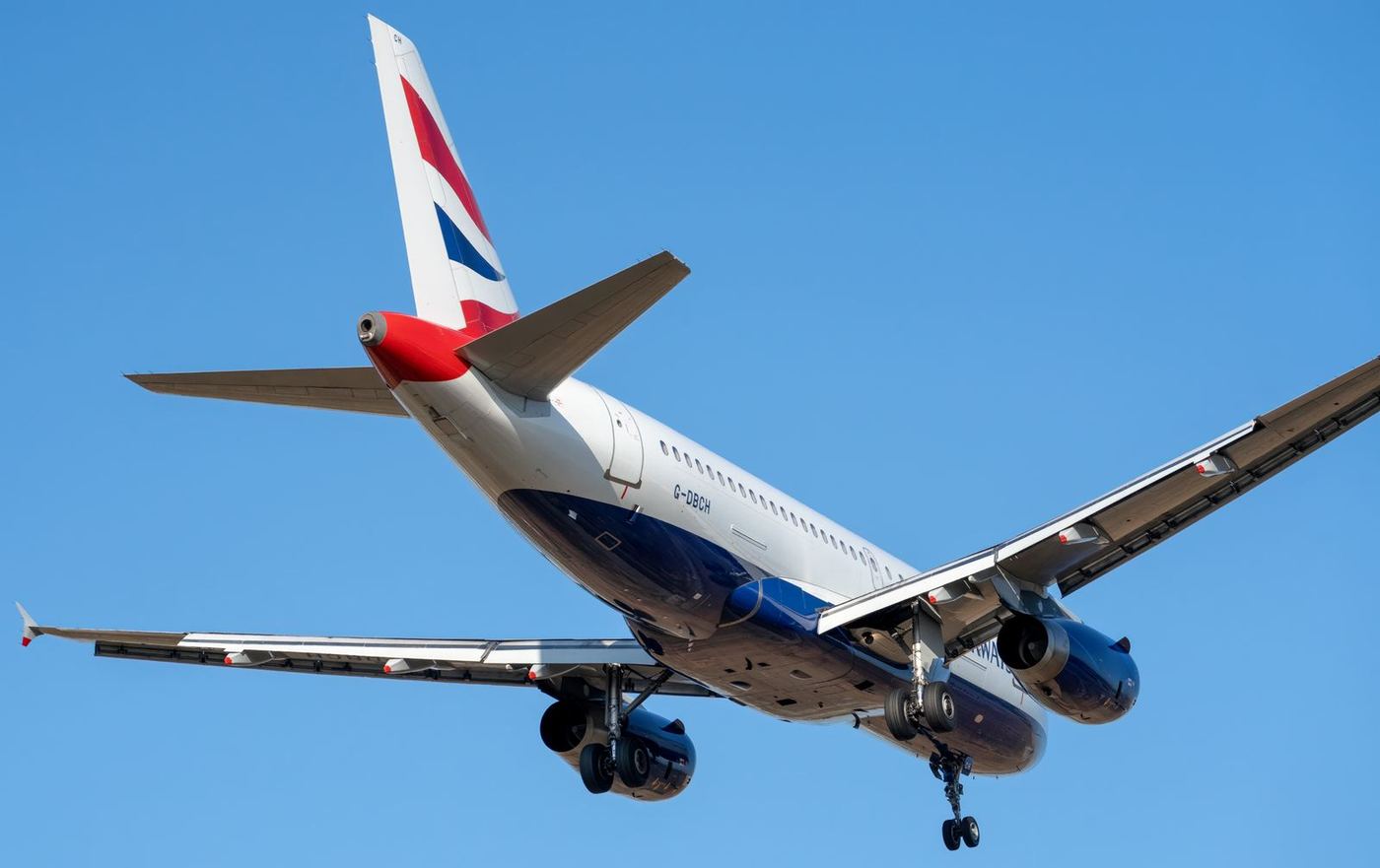
Eclipse Viewing Achieved from British Airways Aircraft
Nicky Kelvin, Senior Director of Content at TPG, successfully observed a solar eclipse from a British Airways flight earlier this week. The planned aerial viewing occurred aboard British Airways Flight 2644, which departed from London Gatwick Airport (LGW) and was bound for Malaga-Costa del Sol Airport (AGP).
Mr Kelvin secured his seat for 14,000 Avios and an additional £2.50 in taxes and fees, equivalent to approximately $3 USD. This initiative allowed for a direct observation of the celestial event from within the path of totality, a feat achieved through meticulous planning and analysis of flight schedules and historical data.
Strategic Planning Leveraged Flight Data
The concept for an aerial eclipse viewing emerged for Mr Kelvin on Monday, August 10, 2026, despite initial intentions to remain in London. Recognising that northern Spain and the Balearic Islands were within the eclipse's path of totality, he began searching for suitable flights.
Utilising points and miles platforms such as SeatSpy and Seats.aero, Mr Kelvin initially identified award availability for a flight to Palma de Mallorca Airport (PMI). However, this plan was revised after social media users pointed out that the flight's trajectory would not intersect the totality path.
Subsequently, Mr Kelvin, collaborating with an airline pilot, analysed three days of FlightRadar24 data. This research focused on flights departing from London or nearby airports that had previously flown through the relevant airspace at the opportune time.
Flight Delays Aided Optimal Positioning
The refined analysis identified British Airways Flight 2644 from London Gatwick to Malaga as the most promising option. Historical FlightRadar24 data revealed that this particular service frequently departed approximately one hour after its scheduled 5:10 p.m. slot, a delay that would align the aircraft perfectly with the eclipse's path.
Mr Kelvin confirmed wide award availability on the British Airways website for both economy and business class. He secured window seats on the west-facing side of the aircraft, leveraging his British Airways Club Gold status for complimentary seat selection. Boarding and pushback delays further contributed to the flight's advantageous timing.
The aircraft became airborne at 6:05 p.m., approximately five minutes earlier than the optimal target take-off time for eclipse viewing. During the flight, approximately 40 minutes after departure, the captain announced to passengers that the aircraft was expected to pass through the path of totality, generating interest among those on board.
Implications for Travellers Seeking Unique Views
This successful aerial observation demonstrates the possibilities for travellers to use loyalty programmes and flight data strategically for unique event viewing. Mr Kelvin's detailed approach, involving the analysis of historical flight patterns and real-time availability, highlights a method for securing specific vantage points for future celestial or geographical phenomena.
The incident also shows how airline operations, including typical flight delays, can inadvertently create rare opportunities for passengers.
Travellers interested in similar niche aerial observations should consider researching historical flight data, leveraging points and miles for flexibility, and monitoring real-time flight information to optimise their chances of witnessing specific events from the air.
Get The Post.
The global travel stories that matter, three mornings a week. Free.