British Airways Faces Lawsuit Over Passenger Injury During Unruly In-Flight Incident
A British Airways passenger is pursuing legal action against the airline. This follows an incident on a 2024 transatlantic flight where a flight attendant accidentally struck her head while restraining an unruly individual. The lawsuit cites prolonged symptoms and alleges delayed medical attention.
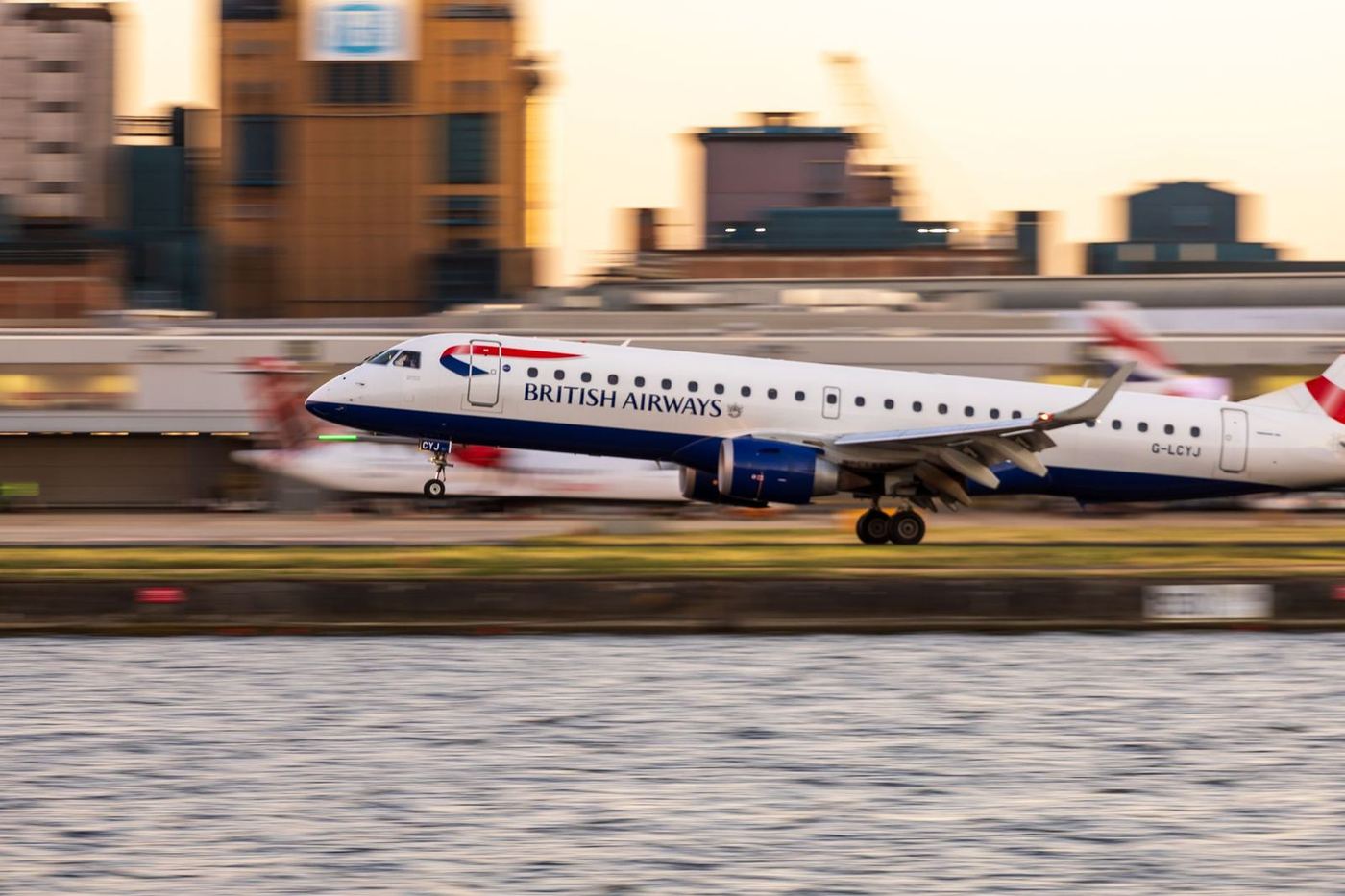
Passenger Sues British Airways Following Mid-Flight Injury
British Airways faces a lawsuit from a passenger who sustained a head injury during a transatlantic flight. Karen Gibbs, a retired U.S. Navy Captain from Silver Spring, Maryland, initiated legal proceedings in a Virginia district court. The incident occurred on August 1, 2024, aboard British Airways service BA-217, flying from London Heathrow to Washington Dulles.
During the flight, a British Airways flight attendant inadvertently struck Ms. Gibbs’ head. This happened while the crew member attempted to restrain an unruly passenger seated across the aisle from Ms. Gibbs. The lawsuit details that the blow resulted in a concussion and lasting health issues for the passenger.
Allegations of Delayed Care and Inadequate Compensation
Ms. Gibbs claims British Airways failed to provide prompt medical assistance following the incident. According to the lawsuit, the cabin crew waited approximately 90 minutes before requesting an off-duty medical professional to assess her condition. An emergency room doctor, a passenger on the flight, volunteered and diagnosed symptoms consistent with a concussion.
He advised oxygen, which the crew administered. However, Ms. Gibbs states that British Airways did not arrange for medical responders to meet the aircraft upon arrival in Washington. Furthermore, she was offered a goodwill payment of only £50 (approximately US $67).
Ms. Gibbs reports ongoing migraines, memory issues, vision disturbance, and balance problems more than two years later. Her health decline led to an earlier retirement last September.
Montreal Convention Central to Legal Action
The lawsuit references Article 17 of the Montreal Convention, an international treaty governing airline liability for passenger injuries. This article holds carriers responsible for bodily harm sustained by passengers during international flights, provided the accident occurs on board or during embarkation/disembarkation.
While airlines can defend against claims if the injury resulted solely from a third party’s negligence, Ms. Gibbs’ legal team argues otherwise. Standard compensation under Article 17 is capped at 151,880 Special Drawing Rights (SDRs), roughly $207,480. However, Article 21 allows for higher awards if the injury stems from the carrier's or its agents' negligence.
Ms. Gibbs asserts that the crew member’s use of force and the delayed medical response constitute negligence, justifying an award exceeding the standard cap.
Implications for Airline Liability and Passenger Care Protocols
This legal challenge highlights the complexities of airline liability, particularly concerning in-flight incidents involving unruly passengers. The outcome could demonstrate how courts interpret airline responsibility for collateral injuries during crew interventions. It also brings attention to the protocols for managing medical emergencies and passenger care on board.
Airlines must balance crew safety with passenger well-being during such volatile situations. The case may influence how carriers train staff for de-escalation and immediate medical response. British Airways has not yet issued a public response to the lawsuit.
Industry observers will monitor the proceedings for insights into future airline operational standards and passenger legal protections.
Get The Post.
The global travel stories that matter, three mornings a week. Free.