China Airlines Achieves 40 Percent SAF on Taipei-Amsterdam Flight
The milestone flight on 14 September 2026, part of the SkyTeam Aviation Challenge, marks the airline's highest sustainable aviation fuel proportion on a long-haul route to date.
Record SAF Use on Long-Haul Route
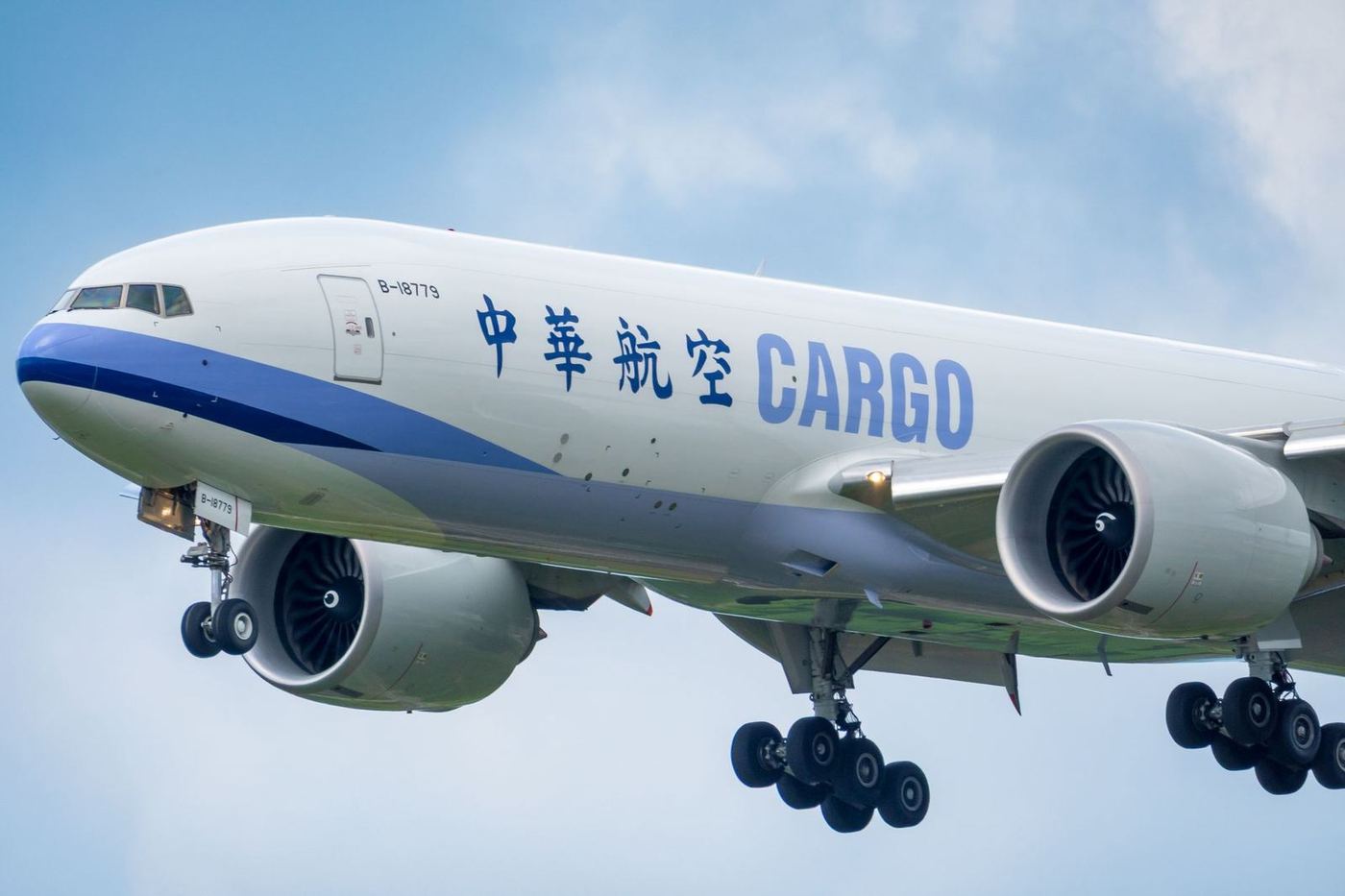
China Airlines successfully completed a demonstration flight from Taipei to Amsterdam yesterday, 14 September 2026, utilising sustainable aviation fuel (SAF) for 40 percent of its total fuel requirement. This marks the first occasion the Taiwanese carrier has employed such a high percentage of SAF on a long-distance service.
The flight represented China Airlines' fifth involvement in the SkyTeam Aviation Challenge, an initiative promoting sustainable practices within the airline alliance. In 2025, the airline had previously achieved the same 40 percent SAF usage on a regional flight to Bangkok, demonstrating its incremental commitment to greener operations.
Emissions Reduction and Future Commitments
For the Taipei-Amsterdam service, China Airlines adopted a 'book and claim' model to facilitate the increased SAF integration. This approach is estimated to have reduced carbon dioxide emissions by 93.2 tonnes for the single flight.
According to China Airlines President Kevin Chen, the airline has now incorporated SAF into eight flights since 2022, cumulatively preventing at least 600 tonnes of carbon emissions.
Mr Chen affirmed the airline's dedication to expanding SAF deployment across its European, North American, and Asian routes, alongside integrating low-carbon strategies into its operational framework and passenger services.
Onboard Sustainability Initiatives
Beyond SAF, the Amsterdam flight showcased various other environmental efforts. China Airlines introduced premium business class tableware that is 30 percent lighter than previous versions, contributing to reduced fuel consumption. Menus and wine lists in business class were printed on recycled paper using soy-based inks.
Passengers were encouraged to check-in online and use mobile boarding passes, minimising paper waste. The airline also sends text messages to its members, prompting them to pre-order meals, which helps mitigate food waste and the fuel needed to transport excess provisions.
Plant-based meals, developed by Taipei's Michelin Green Star restaurant Little Tree Food, were available across all classes. Furthermore, new Marc Jacobs co-branded travel kits featured sustainable beauty products and toiletries, created in partnership with Copenhagen-based design brand FRAMA.
The Dynasty Sky Reading service has also cut over 4,300 tonnes of physical reading material carried on flights since its inception.
Fleet Modernisation for Efficiency
China Airlines is also advancing its fleet modernisation programme, which plays a pivotal role in its sustainability objectives. The carrier expects to take delivery of two Boeing 787-9 aircraft by the end of 2026. These new generation aircraft are projected to reduce fuel consumption by 20 percent and lower noise levels by 30 percent compared to older models.
The airline has an ambitious target to receive a total of 14 Boeing 787-9 aircraft by the close of 2027. The recent Taipei-Amsterdam flight received exclusive sponsorship from CTBC Bank, which also supported China Airlines' aviation challenge participation in 2024.
Asian Aviation's Green Transition
China Airlines' significant commitment to SAF and comprehensive low-carbon initiatives positions it as a key player in Asia's aviation sustainability drive.
The 40 percent SAF usage on a long-haul route sets a notable benchmark for other Asian carriers, many of whom are also navigating the complexities of decarbonisation amid increasing environmental regulations and passenger expectations.
This move by a major Asian airline demonstrates a tangible pathway for the region to reduce its carbon footprint, offering travellers more sustainable choices and encouraging further investment in SAF production and adoption across the continent.
The ongoing fleet renewal with fuel-efficient aircraft like the Boeing 787-9 further solidifies China Airlines' strategic direction and signals a broader trend for Asian airlines to upgrade their fleets for long-term environmental and operational benefits.
Get The Post.
The global travel stories that matter, three mornings a week. Free.